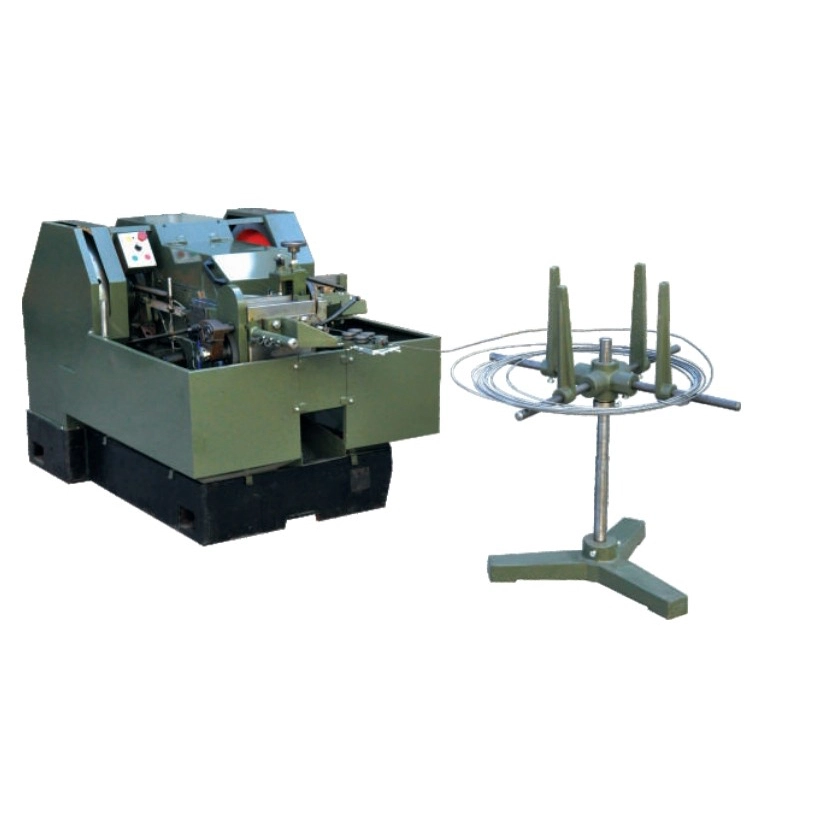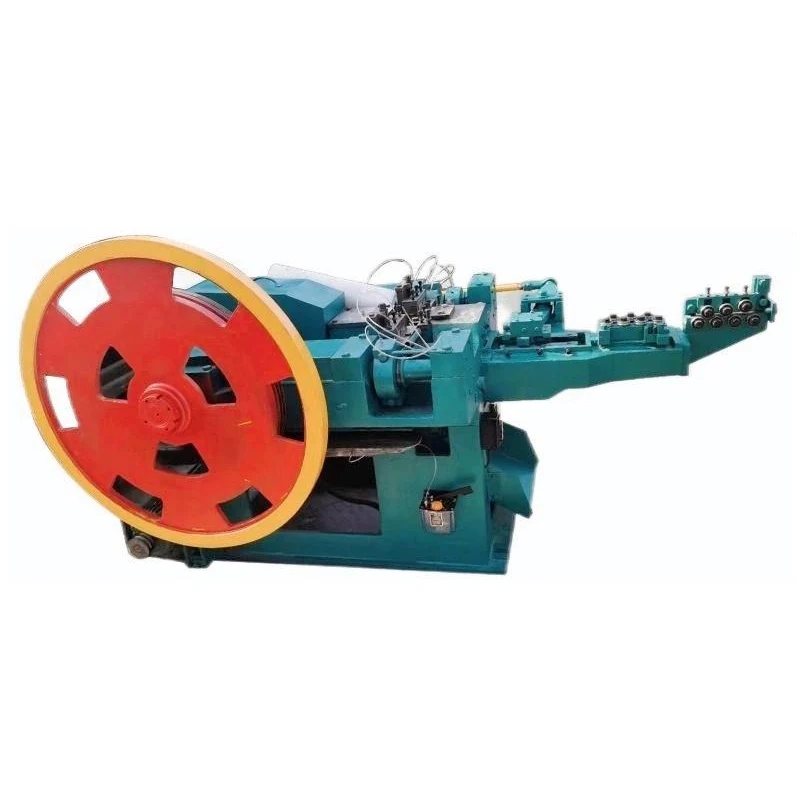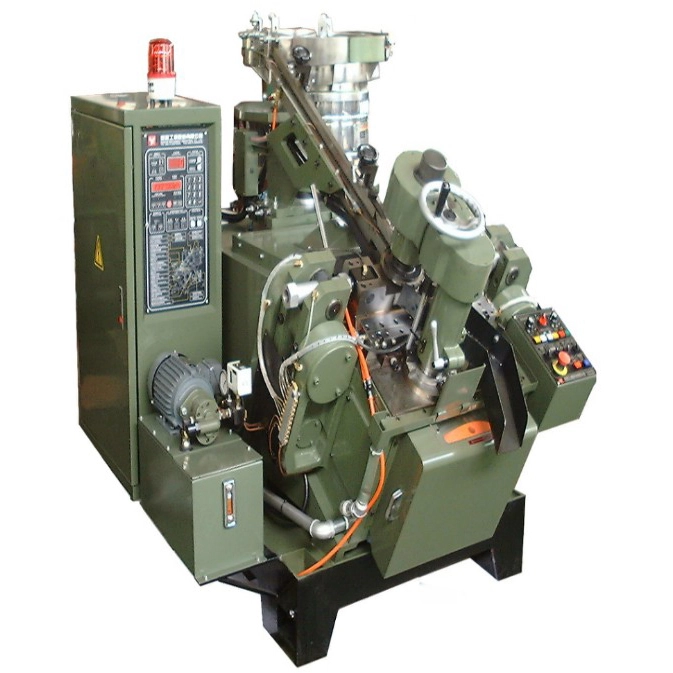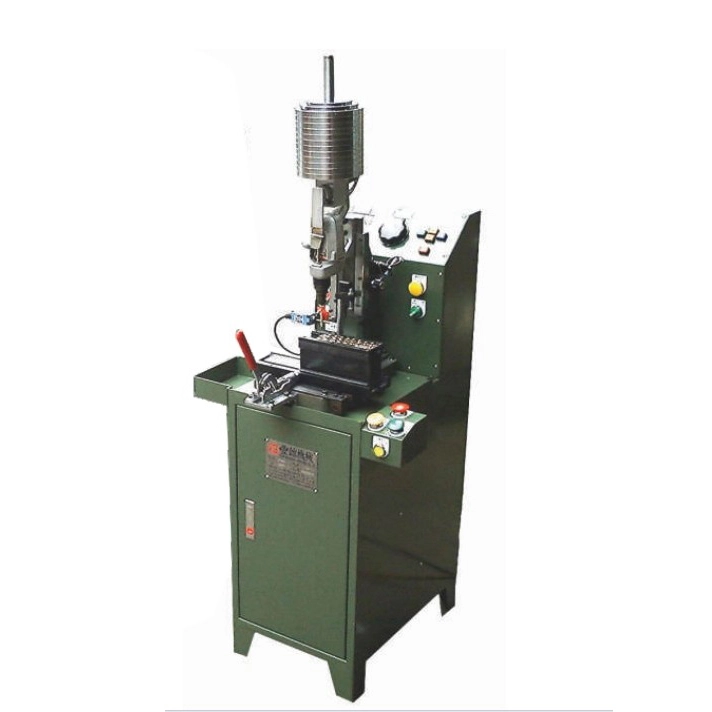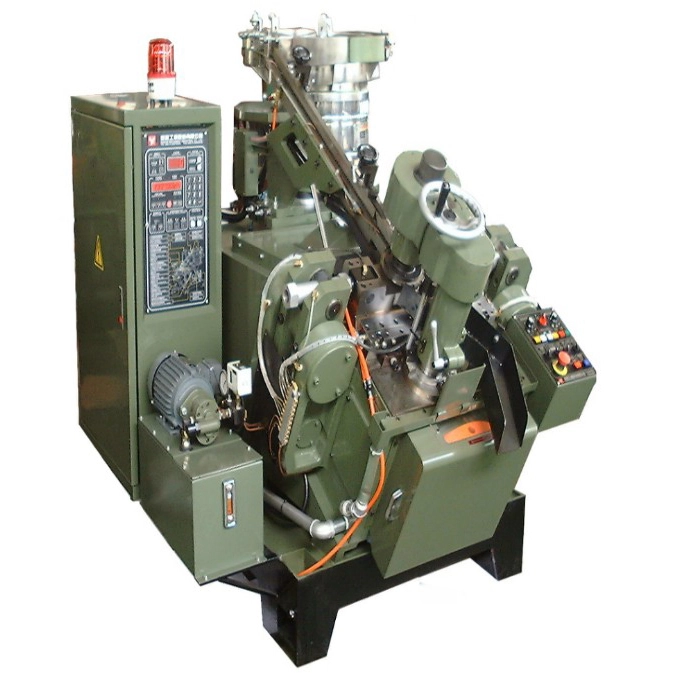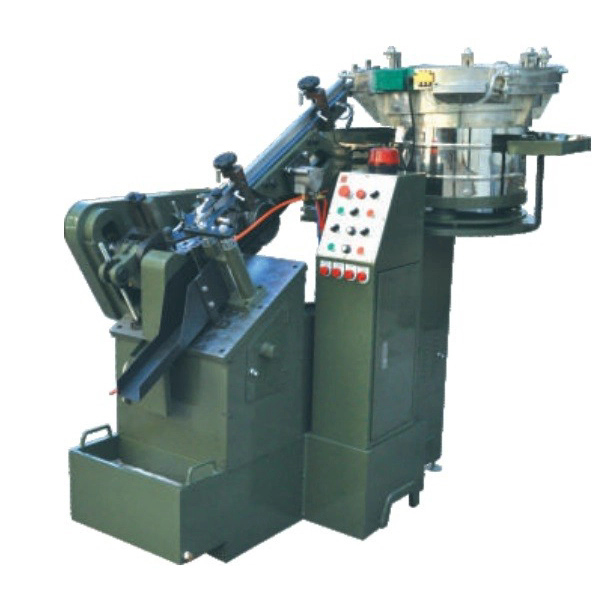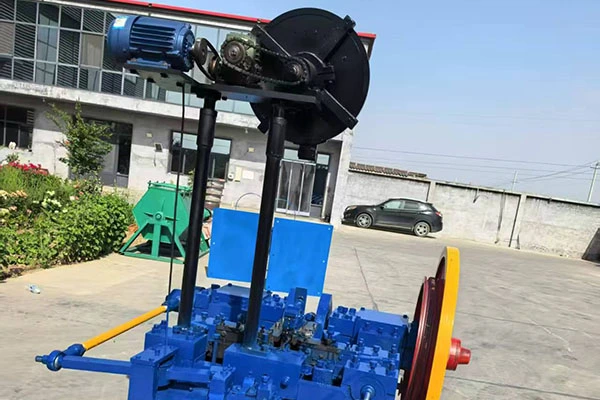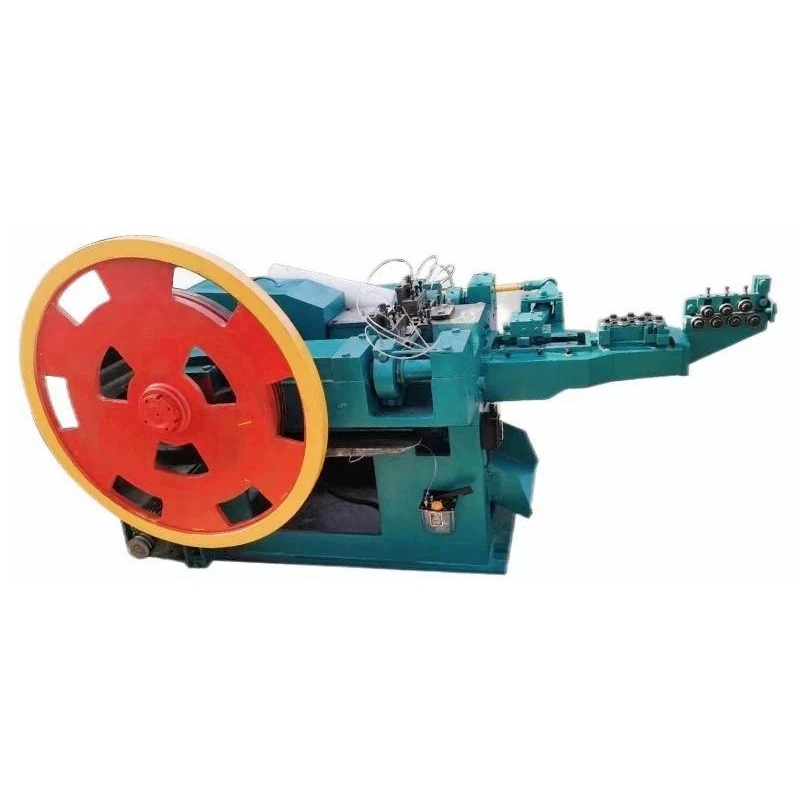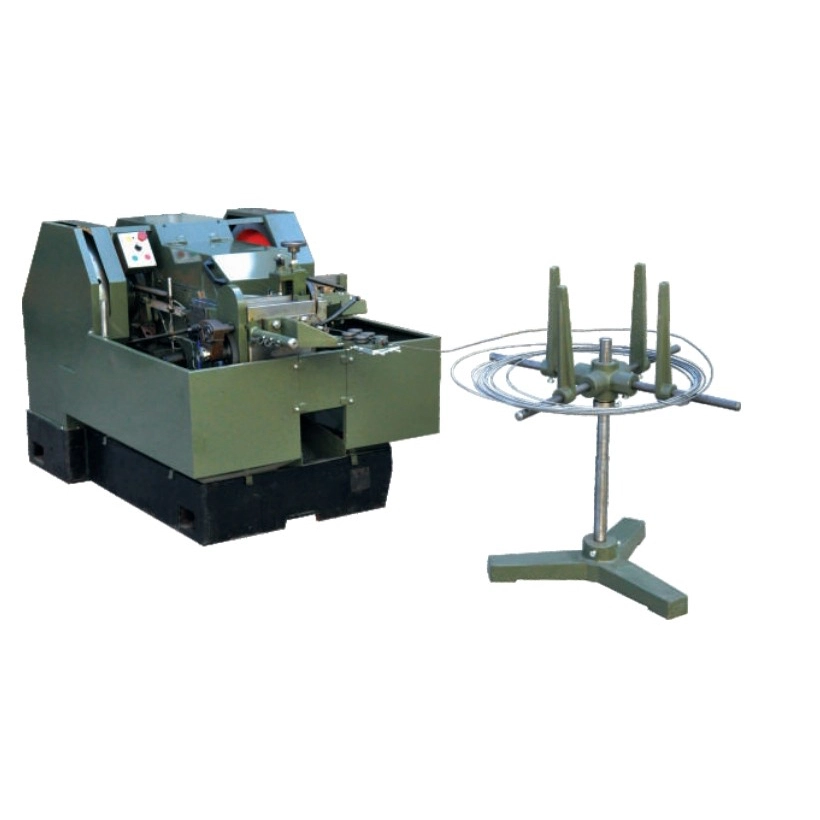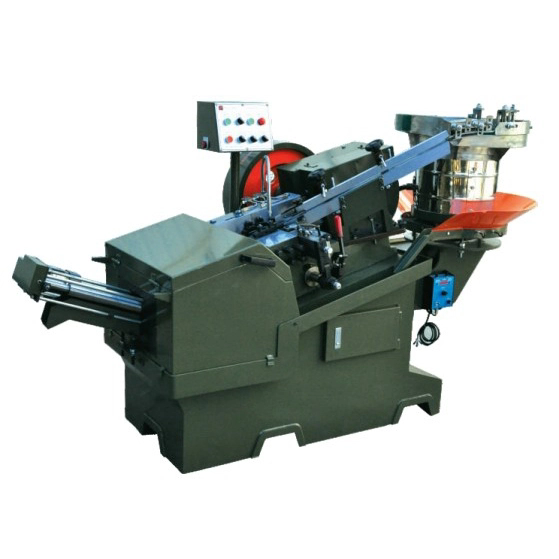

Choosing the right Screw Production Line with Cold Heading Machine can directly affect screw quality, production capacity, labor requirements, and manufacturing consistency. YWC provides an integrated solution that connects wire feeding, cold heading, thread rolling, trimming, screening, and finished-product handling for manufacturers producing screws and fasteners at scale.
A complete screw manufacturing process requires more than a high-speed forming machine. Material preparation, heading accuracy, thread formation, burr control, inspection, and product transfer must work together to achieve stable output. YWC's screw production solution integrates multiple manufacturing stages into a coordinated workflow, supporting screw diameters from M2 to M20 and production speeds of approximately 120–450 pieces per minute. The system can be configured for iron, carbon steel, alloy steel, and selected stainless steel applications, making it suitable for standard screws, self-tapping screws, wood screws, mechanical fasteners, and certain customized products. Automated control, parameter memory, synchronized operation, and screening functions help manufacturers establish a more continuous and manageable production process.
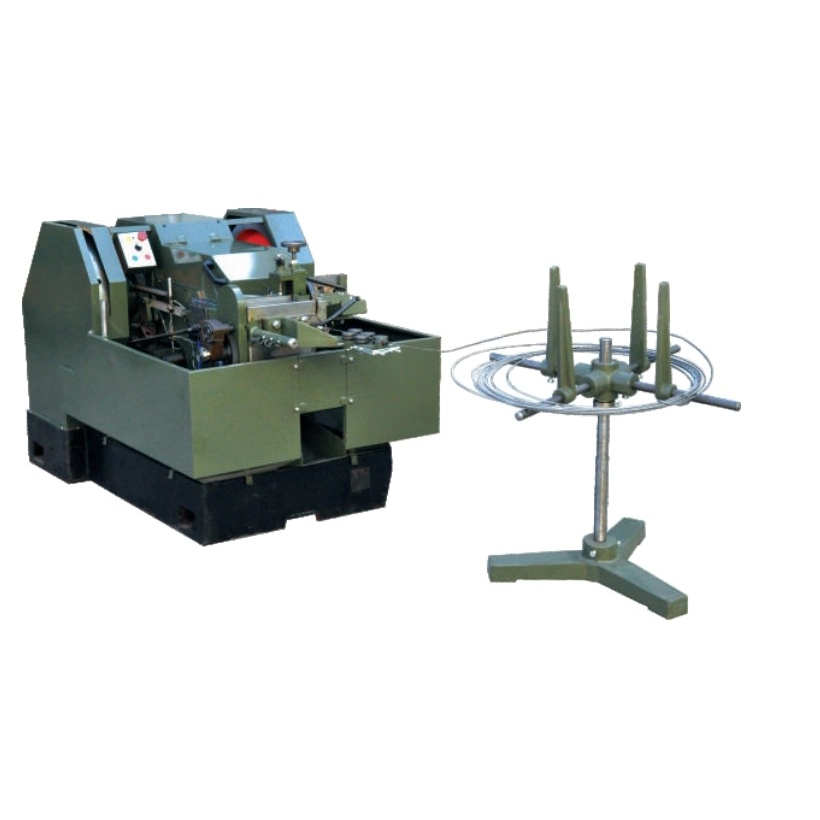
Table of Contents
- Why Is an Integrated Screw Production Line Important?
- How Does the Screw Manufacturing Process Work?
- What Role Does Cold Heading Play in Screw Production?
- What Are the Main Technical Specifications?
- What Features Matter Most in Industrial Screw Production?
- What Types of Screws Can Be Produced?
- How Should Manufacturers Choose a Screw Production Line?
- How Can Production Consistency Be Maintained?
- Frequently Asked Questions
Why Is an Integrated Screw Production Line Important?
Screw manufacturing involves several operations that must maintain dimensional consistency from one stage to the next. If each operation is performed on an isolated machine, semi-finished screws may require additional manual handling, temporary storage, inspection, and transfer. These activities can increase production complexity and make process coordination more difficult.
An integrated line approaches screw production as one connected manufacturing system. Instead of focusing only on the output of the cold heading machine, the complete workflow considers how raw wire enters the system, how the screw blank is formed, how threads are produced, how imperfections are removed, and how finished products are screened.
This structure can provide several practical benefits:
- Continuous material movement between major production stages.
- Reduced manual transfer of semi-finished products.
- More consistent production parameter management.
- Better suitability for repetitive high-volume orders.
- Improved production organization and monitoring.
- More convenient coordination between forming and finishing operations.
For factories supplying large quantities of standardized fasteners, process integration can therefore be an important consideration when planning production capacity.
How Does the Screw Manufacturing Process Work?
The basic production sequence begins with metal wire and progressively converts it into a finished screw. Although the exact configuration can vary according to screw design, a typical automated workflow contains several core stages.
1. Wire Feeding and Straightening
Coiled metal wire is introduced into the production system and straightened before forming. Stable feeding is important because irregular wire positioning can affect cutting accuracy and subsequent heading operations.
2. Cutting and Cold Heading
The prepared wire is cut to a controlled length and transferred to the cold heading section. During cold heading, pressure is applied to plastically deform the metal and create the required screw head geometry.
3. Thread Rolling
After the screw blank has been formed, thread rolling creates the required external thread profile. Unlike cutting a thread from the surface, thread rolling forms the thread through controlled deformation, making process control and tooling selection particularly important.
4. Trimming and Finishing
Depending on the screw design, excess material, edge flash, or burrs may need to be removed. Proper finishing contributes to dimensional consistency and helps prepare products for subsequent inspection or surface treatment.
5. Screening and Discharge
Automated screening can separate products according to configured quality requirements before finished screws are discharged from the line. This creates a more organized transition to packaging, coating, heat treatment, or other downstream processes.
What Role Does Cold Heading Play in Screw Production?
Cold heading is one of the key forming processes in high-volume fastener manufacturing. Instead of machining the complete screw head from a solid piece of material, the process uses dies and controlled forming forces to reshape metal wire into the required geometry.
This approach is particularly relevant when manufacturers need to produce large quantities of screws with repeatable head dimensions. The forming process can support different head configurations when appropriate dies and process parameters are selected.
| Cold Heading Consideration | Why It Matters |
|---|---|
| Wire Diameter | Must correspond with the required finished screw dimensions and forming process. |
| Material Properties | Strength and formability influence the required forming conditions. |
| Die Design | Determines the geometry that can be formed during the heading process. |
| Forming Pressure | Needs to match material and product requirements for stable production. |
| Production Speed | Should be balanced with screw size, material, tooling, and quality requirements. |
| Tooling Wear | Regular inspection and replacement help maintain dimensional consistency. |
For this reason, a cold heading machine should not be evaluated solely according to its maximum theoretical speed. The relationship between material, tooling, screw geometry, and downstream processing is equally important.
What Are the Main Technical Specifications?
Technical specifications allow buyers to determine whether a production line matches their existing screw portfolio. The main parameters associated with the YWC solution include the following:
| Technical Item | Available Specification |
|---|---|
| Screw Diameter | M2–M20 |
| Production Speed | 120–450 pcs/min |
| Product Qualification Rate | ≥99.6% |
| Applicable Materials | Iron, carbon steel, alloy steel, selected stainless steel |
| Typical Screw Types | Standard screws, self-tapping screws, wood screws, mechanical fasteners and selected customized screws |
| Control Functions | Parameter memory, synchronized operation, fault alarm and one-key startup |
Actual production capacity can vary according to screw diameter, screw length, head structure, material characteristics, tooling, and operating conditions. Buyers should therefore confirm their specific product drawings and production targets before final equipment selection.
What Features Matter Most in Industrial Screw Production?
Integrated Process Coordination
A production line becomes more useful when the individual machines are designed to operate as a coordinated system. Synchronized material transfer helps reduce unnecessary intermediate handling and supports a more continuous workflow.
Intelligent Parameter Management
Modern production environments may manufacture multiple screw specifications on the same equipment. Parameter memory can simplify changeovers by allowing frequently used production settings to be stored and recalled according to the relevant product.
Automatic Fault Monitoring
Production interruptions can affect both output and product consistency. Fault alarm functions can help operators identify abnormal conditions more quickly and respond before a small process issue develops into a larger production problem.
Automatic Screening
High-speed production generates large quantities of finished fasteners. Automated screening can reduce the amount of repetitive manual sorting and establish a more consistent inspection stage before products enter subsequent operations.
Flexible Product Compatibility
Fastener manufacturers rarely produce only one screw specification. A practical production solution should therefore be evaluated according to the number of product types it can accommodate and how easily tooling or process settings can be adjusted.
What Types of Screws Can Be Produced?
With an applicable diameter range of M2–M20, the production system can address a broad selection of industrial fasteners. Depending on tooling and configuration, potential product categories include:
- Standard metric screws
- Self-tapping screws
- Wood screws
- Mechanical screws and fasteners
- Flat-head screws
- Round-head screws
- Selected special-shaped screws
These fasteners can be used across multiple manufacturing sectors, including construction hardware, furniture manufacturing, mechanical equipment, electrical products, electronics hardware, and general industrial fastening applications.
For non-standard products, manufacturers should provide detailed technical information before purchasing equipment. Screw drawings, material grades, dimensions, head geometry, thread requirements, expected output, and sample products can all help determine the appropriate forming configuration.
How Should Manufacturers Choose a Screw Production Line?
Purchasing a complete production line requires a broader evaluation than simply comparing machine prices. The following factors can help manufacturers define their actual requirements.
- Confirm your screw range. List the diameters, lengths, head types, thread profiles, and materials that the factory needs to produce.
- Calculate the required output. Determine daily, monthly, and annual demand rather than selecting equipment only according to maximum speed.
- Evaluate material compatibility. Different steel grades can have different forming characteristics and tooling requirements.
- Check tooling requirements. Ask about die configuration, tooling life, replacement procedures, and spare-part supply.
- Review factory space. Consider equipment footprint, operator access, material storage, maintenance space, and finished-product handling.
- Consider automation requirements. Determine whether automatic feeding, screening, parameter storage, alarms, and synchronized operation are necessary.
- Discuss customization. Special screws may require customized forming dies or modified process configurations.
- Assess technical support. Installation, commissioning, operator training, maintenance guidance, and spare parts are important throughout the equipment lifecycle.
A detailed technical discussion before purchase can help ensure that the selected line matches the actual production environment rather than only the specifications listed in a machine catalog.
How Can Production Consistency Be Maintained?
Stable screw production depends on controlling the complete process rather than inspecting only the finished products. Several operational practices can contribute to consistent output.
| Control Area | Recommended Focus |
|---|---|
| Raw Material | Verify wire diameter, material grade, surface condition and formability. |
| Cold Heading | Monitor forming parameters, die condition and head dimensions. |
| Thread Rolling | Check thread profile, pitch, diameter and tooling condition. |
| Machine Alignment | Maintain correct synchronization between connected production modules. |
| Tooling Maintenance | Inspect wear regularly and replace damaged forming components promptly. |
| Final Inspection | Verify dimensions, appearance and functional requirements before shipment. |
Manufacturers should also establish documented inspection procedures for incoming materials, in-process production, tooling maintenance, and finished fasteners. This creates traceable quality-control checkpoints throughout the manufacturing cycle.
Frequently Asked Questions About Screw Production Lines
What is a screw production line with cold heading machine?
It is an integrated manufacturing system that combines cold heading with related screw-making processes such as wire preparation, thread rolling, trimming, screening, and product discharge. The exact configuration depends on the screw type and production requirements.
What is the production speed of the YWC screw production line?
The specified production speed is approximately 120–450 pieces per minute. Actual output depends on screw dimensions, material, tooling, product design, and operating conditions.
What screw diameter range is supported?
The stated working range is M2–M20. For specific screw designs, buyers should confirm the exact dimensions and tooling requirements with the manufacturer before placing an order.
Can the line process stainless steel?
The equipment is specified for iron, carbon steel, alloy steel, and selected stainless steel applications. Because stainless steel grades can have different forming characteristics, material details should be provided for technical confirmation.
Can customized screws be manufactured?
Selected customized and special-shaped screws can be considered according to the required tooling and production configuration. Technical drawings and product samples are useful when evaluating customized fastener projects.
What information should be provided when requesting a quotation?
Manufacturers should ideally provide screw drawings, material grade, diameter, length, head type, thread specification, target production capacity, required automation level, and any special quality requirements. This information allows the supplier to recommend a more suitable configuration.
What Can an Integrated Screw Manufacturing Solution Deliver?
A screw production system should be evaluated as a complete manufacturing workflow rather than as a single machine. By connecting wire preparation, cold heading, thread rolling, finishing, screening, and product handling, manufacturers can establish a more structured process for repetitive fastener production. YWC's solution covers M2–M20 screw diameters, a stated production range of 120–450 pcs/min, and automated functions designed to support process coordination. If you are planning a new screw manufacturing project or upgrading an existing production line, contact us with your screw drawings, material specifications, target capacity, and automation requirements to discuss a production solution suited to your application.