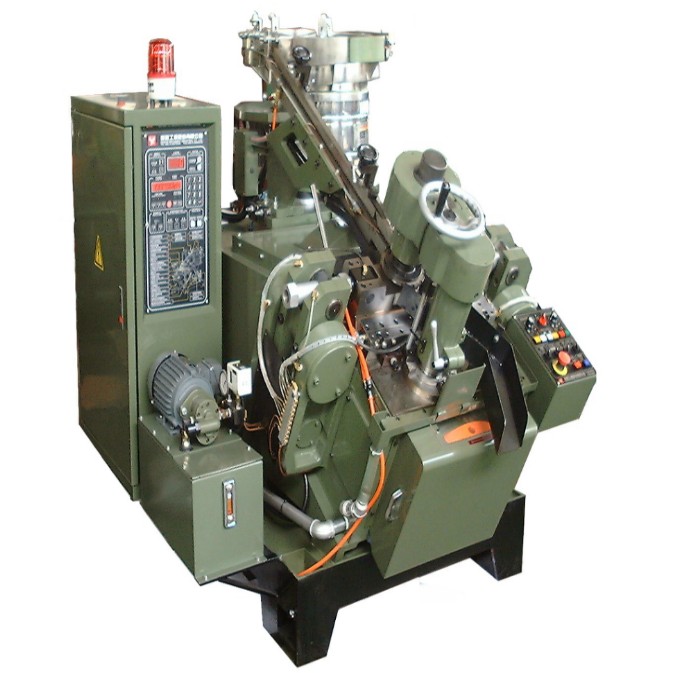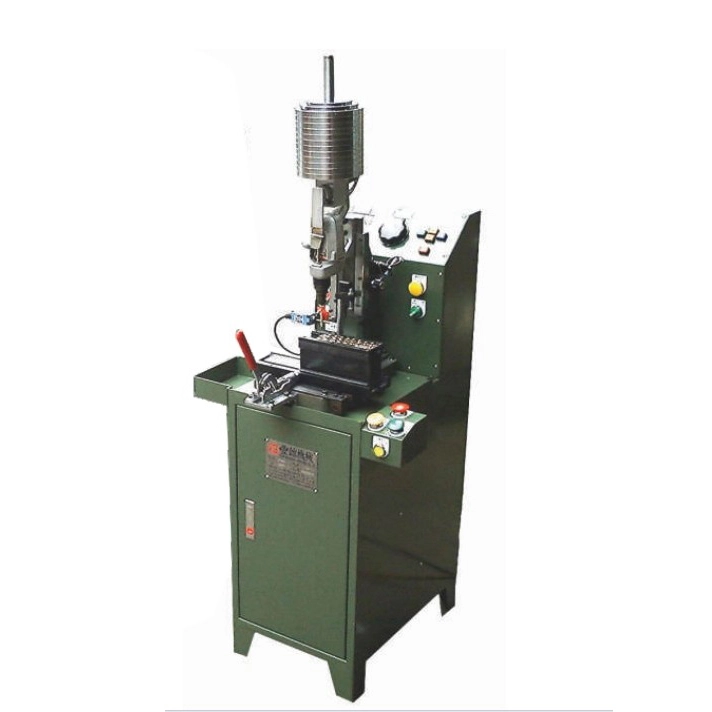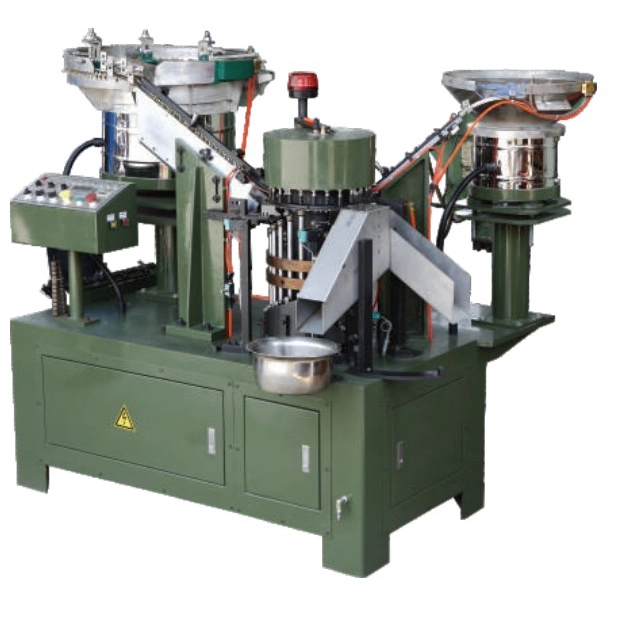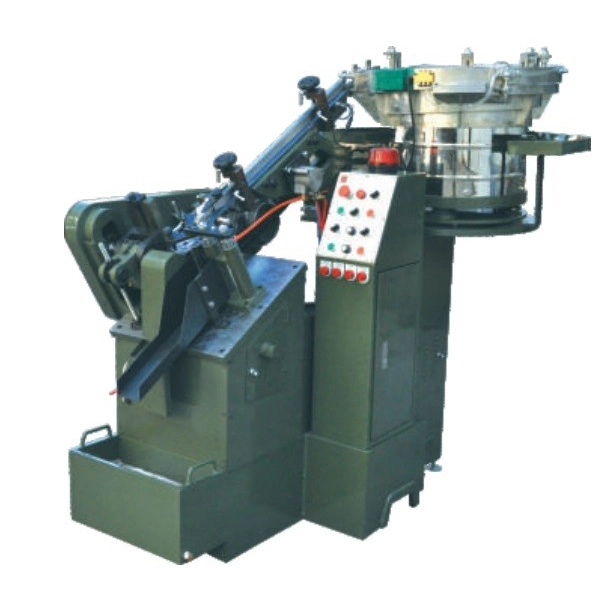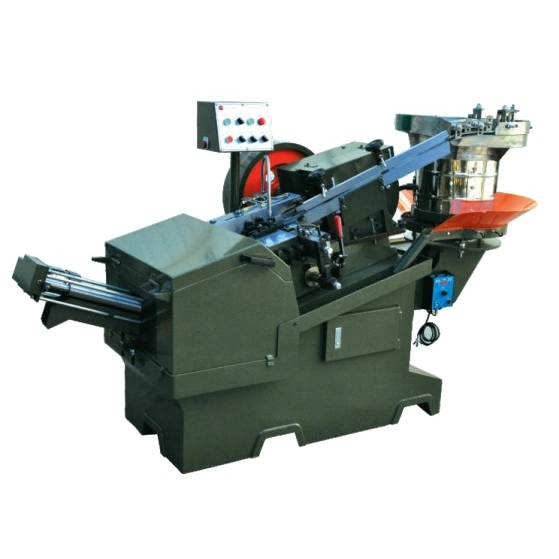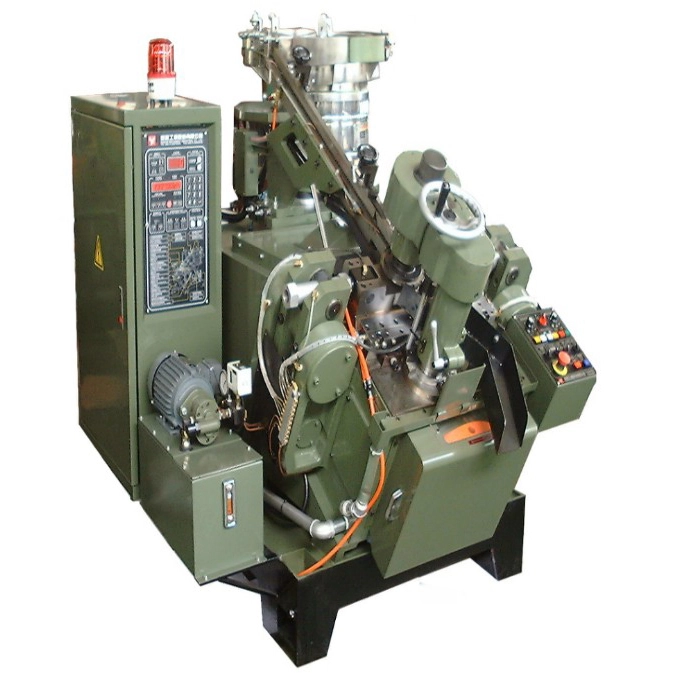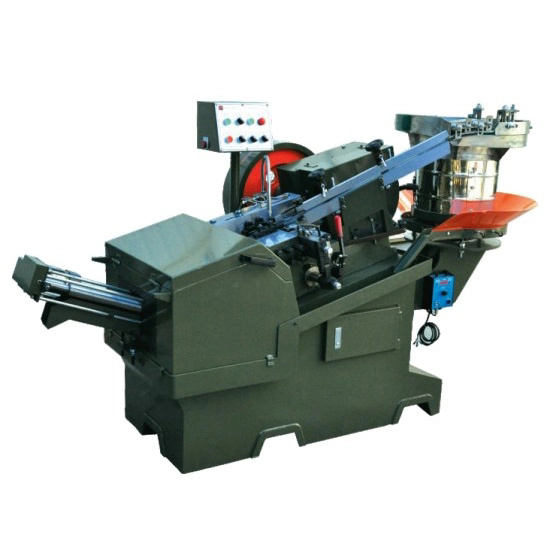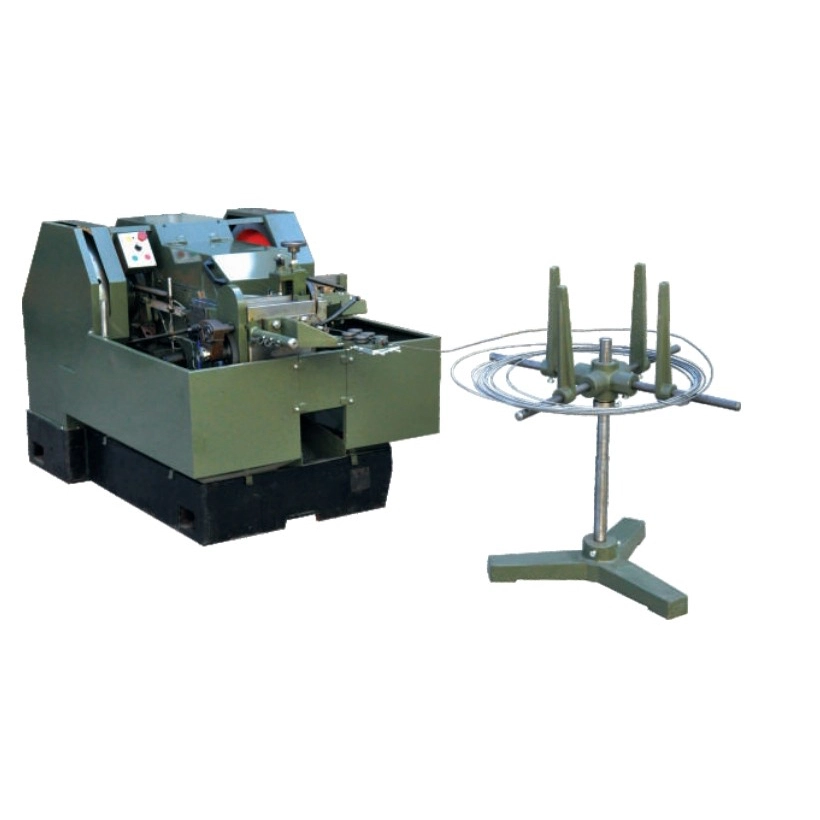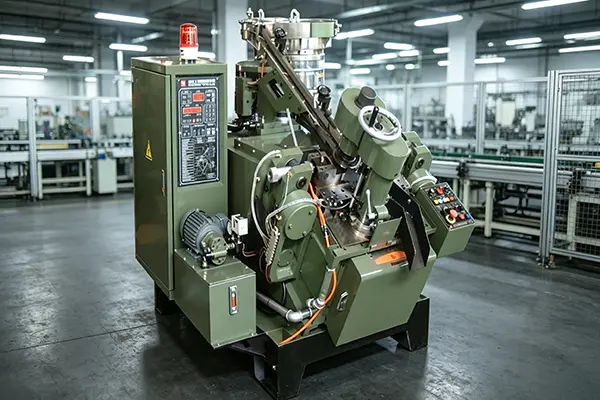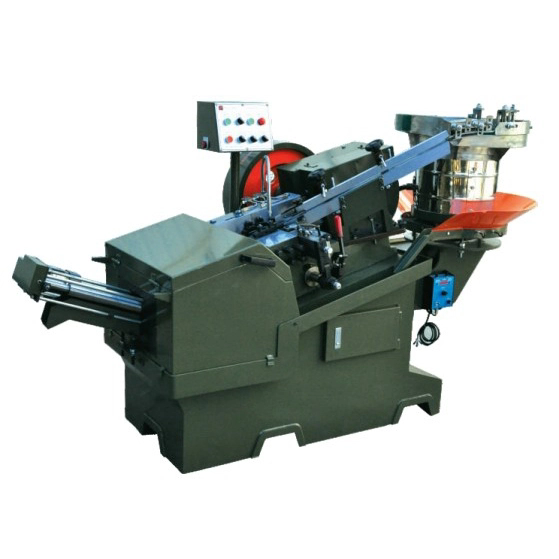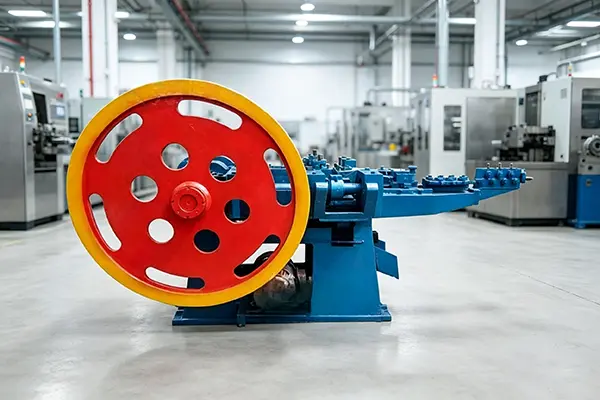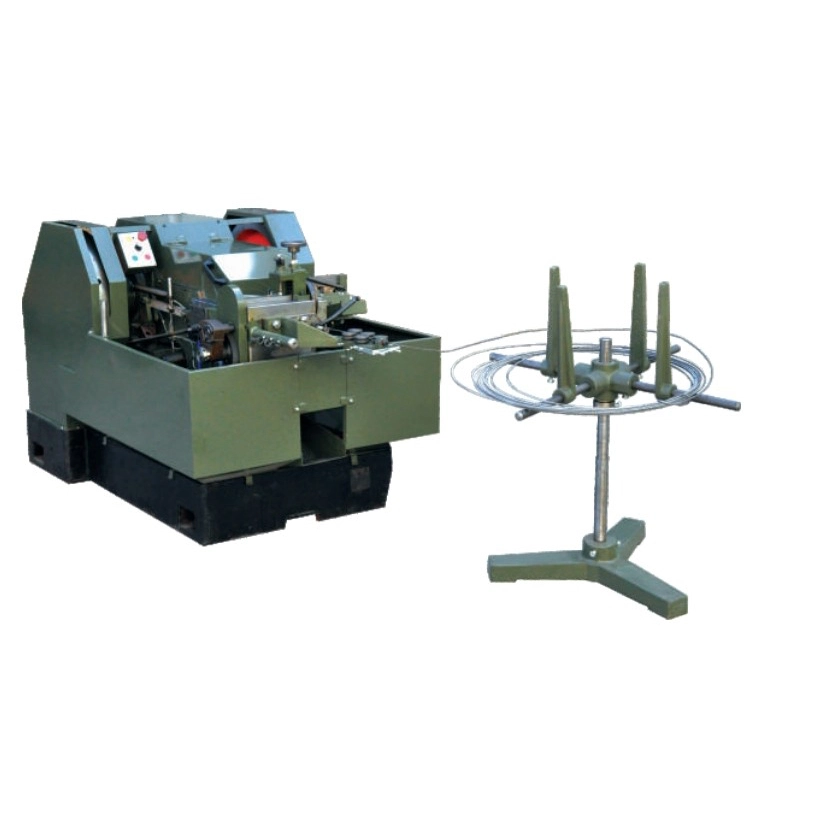

For hardware manufacturers seeking higher output, consistent nail quality, and lower dependence on manual labor, an Automatic Wire Nail Making Machine for Iron Nail Production provides a practical route toward continuous and standardized manufacturing. YWC develops automated nail-making equipment that integrates wire straightening, cutting, nail head forming, nail tip forming, screening, and finished-product discharge into a streamlined production process.
Iron nail manufacturing requires stable forming accuracy, reliable mechanical operation, and efficient handling of raw wire. Modern automatic nail-making equipment combines multiple production stages into one continuous workflow, helping manufacturers improve consistency while reducing unnecessary manual intervention. This article explains how automatic wire nail equipment works, what advantages it can bring to a nail factory, which materials and nail types it can handle, and what buyers should evaluate before selecting an industrial nail production machine.
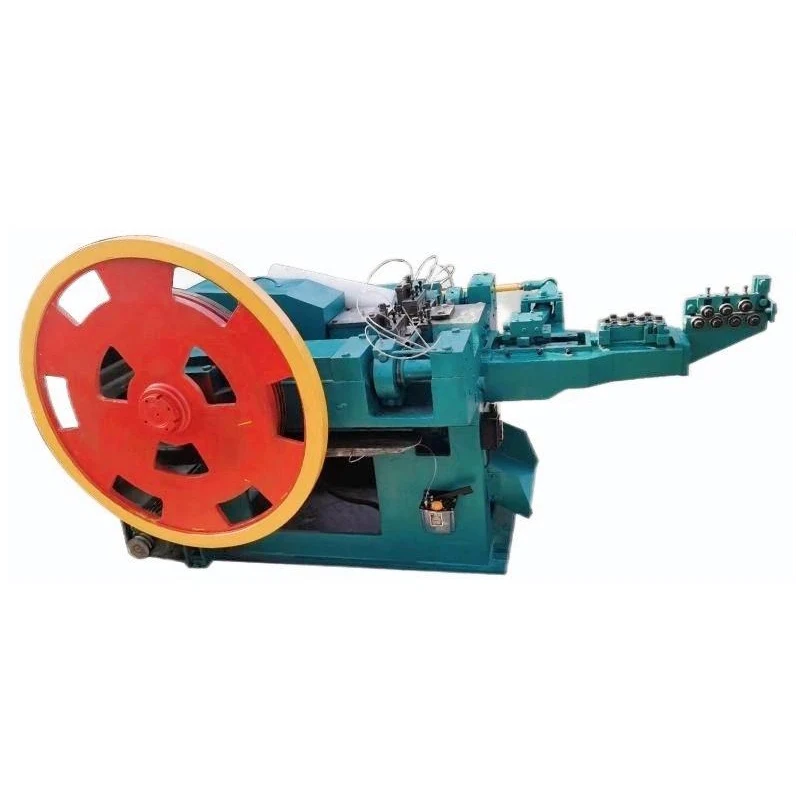
Table of Contents
- Why Is Automatic Nail Production Becoming More Important?
- How Does an Automatic Wire Nail Making Machine Work?
- What Are the Key Features of the Equipment?
- What Production Benefits Can Manufacturers Expect?
- Where Is Automatic Iron Nail Production Equipment Used?
- Automatic vs. Traditional Nail Production
- How Should Buyers Select the Right Nail Making Machine?
- Why Consider YWC for Nail Manufacturing Equipment?
- Frequently Asked Questions
Why Is Automatic Nail Production Becoming More Important?
Iron nails are widely used in construction, furniture assembly, woodworking, packaging, decoration, and general hardware applications. Although individual nails are relatively simple products, producing them consistently at industrial scale requires controlled wire feeding, accurate cutting, reliable forming, and stable discharge.
Traditional production methods can involve considerable manual handling and multiple independent operations. This can make production management more complicated and create variations in nail dimensions, head shape, tip sharpness, and overall finish.
An automated nail production system addresses these challenges by connecting major forming operations into one continuous workflow. Once the appropriate production parameters and tooling are configured, the machine can repeatedly process wire into finished nails with limited operator intervention.
- Reduces dependence on manual production operations.
- Creates a more consistent forming process.
- Supports continuous production for high-volume orders.
- Allows production parameters to be adjusted for different nail specifications.
- Helps manufacturers organize a more standardized production workflow.
How Does an Automatic Wire Nail Making Machine Work?
The production principle is based on coordinated mechanical transmission and automatic forming. Iron wire is introduced into the machine and processed through several sequential stages before the finished nails are discharged.
1. Wire Straightening
Coiled iron wire naturally contains bends and curvature. The straightening section prepares the material by correcting these deformations before forming begins. Consistent wire positioning is important because subsequent cutting and forming depend on stable material feeding.
2. Automatic Wire Feeding and Cutting
The machine feeds the prepared wire into the forming mechanism and cuts it according to the selected nail length. Controlled cutting provides a consistent blank for subsequent head and tip forming.
3. Nail Head Forming
The cut wire section enters the head-forming stage, where mechanical force shapes the nail head. Appropriate dies help maintain repeatable dimensions and reduce common forming defects such as irregular heads.
4. Nail Tip Forming
The opposite end is processed to create the nail point. Accurate tip formation is particularly important for applications where the finished nail must penetrate wood or other suitable materials efficiently.
5. Screening and Discharge
After forming, finished nails can be screened and discharged in an organized manner. This creates a continuous path from raw wire to finished product and simplifies subsequent collection, packaging, or inspection.
What Are the Key Features of the Equipment?
A modern automatic nail-making machine is more than a forming press. Its value comes from the coordination of feeding, cutting, forming, transmission, and discharge functions.
| Feature | Production Value | Buyer Consideration |
|---|---|---|
| Automatic wire straightening | Prepares coiled wire for stable processing | Check compatibility with the intended wire material |
| Automatic feeding | Maintains a continuous production workflow | Evaluate feeding stability during long production runs |
| Fixed-length cutting | Creates consistent nail blanks | Confirm the required nail length range |
| Head forming | Produces standardized nail heads | Consider tooling and die requirements |
| Tip forming | Creates functional nail points | Match the forming configuration to the target nail type |
| Automatic discharge | Reduces manual handling of finished products | Consider integration with collection and packaging systems |
| Adjustable production settings | Supports multiple nail specifications | Verify the required length and diameter range |
What Production Benefits Can Manufacturers Expect?
Higher Production Efficiency
Automation allows multiple processing stages to operate as a coordinated system. Instead of transferring wire between separate manual operations, the material can move through straightening, cutting, forming, and discharge in a continuous sequence.
More Consistent Product Quality
Consistency is one of the most important considerations in industrial nail manufacturing. Stable transmission, dedicated forming dies, and controlled processing help reduce variations in nail head shape, length, and tip formation.
Lower Dependence on Manual Labor
Automating repetitive operations can reduce the number of manual tasks required during normal production. Operators can focus more on machine monitoring, material preparation, quality inspection, and maintenance instead of manually forming individual nails.
Flexible Production
Different customers may require different nail lengths and diameters. Adjustable production settings allow manufacturers to adapt the equipment to multiple specifications instead of relying on a completely separate production system for every nail size.
Long-Term Operating Value
Industrial nail production places repeated mechanical loads on the equipment. A robust steel structure and wear-resistant components can help the machine withstand demanding operating conditions while keeping routine maintenance manageable.
Where Is Automatic Iron Nail Production Equipment Used?
Automatic nail-making equipment is suitable for manufacturers producing standard iron nails and related hardware products in significant quantities. Typical application environments include:
- Construction hardware: Production of nails used for general construction and fastening applications.
- Furniture manufacturing: Supporting nail requirements for wooden furniture and assembly operations.
- Woodworking: Supplying standard nails for wood-processing businesses.
- Packaging: Producing nails for wooden boxes, pallets, and related packaging applications where appropriate.
- Hardware production: Providing standardized fasteners for general industrial and commercial markets.
- Decoration and renovation: Supporting applications that require conventional iron or galvanized nails.
Depending on tooling and machine configuration, production can cover common iron nails, flat-head nails, and galvanized iron nails in different specifications.
Automatic vs. Traditional Nail Production
When evaluating production equipment, manufacturers should consider the complete workflow rather than focusing only on the purchase price of a machine.
| Evaluation Factor | Traditional Production | Automatic Production |
|---|---|---|
| Material handling | More manual operations may be required | Integrated feeding and processing |
| Production consistency | Can depend heavily on operator control | Controlled mechanical forming process |
| Labor requirement | Higher manual involvement | Reduced repetitive manual work |
| Production continuity | More interruptions may occur between processes | Designed for continuous processing |
| Specification adjustment | May require more manual setup | Production settings can be adjusted |
| Quality control | More operator-dependent | More standardized forming conditions |
The appropriate choice ultimately depends on production volume, target specifications, available labor, raw material characteristics, and the manufacturer's quality requirements.
How Should Buyers Select the Right Nail Making Machine?
Before purchasing an automatic nail production machine, buyers should provide the manufacturer with detailed production requirements. This allows the machine configuration, tooling, and production setup to be matched with the actual application.
- Define nail specifications: Confirm target nail length, diameter, head configuration, and tip style.
- Confirm raw material: Identify whether the production line will process iron wire, low-carbon wire, galvanized wire, or another compatible material.
- Estimate production demand: Determine required daily or monthly output before selecting machine capacity.
- Evaluate automation: Consider how much manual intervention is acceptable during normal production.
- Check tooling requirements: Ask about dies, forming components, replacement parts, and expected maintenance procedures.
- Review after-sales service: Installation guidance, operator training, remote technical support, spare parts availability, and maintenance assistance can affect long-term operation.
A clear technical discussion before ordering can help avoid mismatches between the machine configuration and the intended nail product.
Why Consider YWC for Nail Manufacturing Equipment?
YWC provides nail-making equipment designed around automated wire processing and standardized nail forming. Its Automatic Wire Nail Making Machine for Iron Nail Production integrates key manufacturing stages into one continuous production process.
The equipment uses an optimized mechanical transmission structure and forming technology intended for stable operation. Its industrial construction incorporates wear-resistant components, while adjustable production parameters support different nail lengths and diameters.
For buyers sourcing from a China manufacturer or supplier, technical communication should cover the complete project rather than only the machine itself. YWC states that its service includes factory testing before delivery, installation and operation training, remote guidance, spare-parts support, and ongoing maintenance assistance.
Manufacturers can also explore YWC's nail making machine range when comparing different production configurations for standard wire nail manufacturing.
Frequently Asked Questions
What types of nails can this machine produce?
The equipment is designed for the production of various iron nail specifications, including common iron nails, flat-head iron nails, and galvanized iron nails, depending on the selected tooling and machine configuration.
What raw material is used for automatic nail production?
Iron wire is the primary raw material. Compatible wire specifications should be confirmed with the equipment supplier according to the intended nail dimensions and production requirements.
Can the machine produce different nail sizes?
Yes. The machine supports production adjustments for different nail lengths and diameters. However, the actual production range depends on the specific machine configuration and forming dies selected for the project.
How does the machine maintain consistent nail quality?
Consistent mechanical transmission, controlled wire feeding, fixed-length cutting, and precision forming dies work together to create repeatable production conditions. Regular inspection and proper maintenance are also important for maintaining finished-product quality.
Is manual operation required throughout the production process?
The machine is designed for highly automated continuous operation, covering wire feeding, straightening, cutting, head forming, tip forming, and finished-product discharge. Operators can focus primarily on production monitoring, material supply, quality checks, and maintenance.
Is this machine suitable for continuous production?
Yes. The equipment is designed for continuous industrial production and can support long operating cycles when properly installed, configured, lubricated, maintained, and operated according to the manufacturer's requirements.
Final Thoughts
An automatic nail-making system can help manufacturers create a more streamlined production process by connecting wire preparation, cutting, nail forming, screening, and discharge into one coordinated workflow. For factories seeking stable quality, reduced manual handling, flexible specifications, and scalable iron nail production, selecting the right equipment configuration is an important investment decision. If you are planning a new nail production line or upgrading an existing workshop, contact us with your nail specifications, wire material, target output, and production requirements, and the YWC team can help you evaluate a suitable automatic wire nail manufacturing solution.