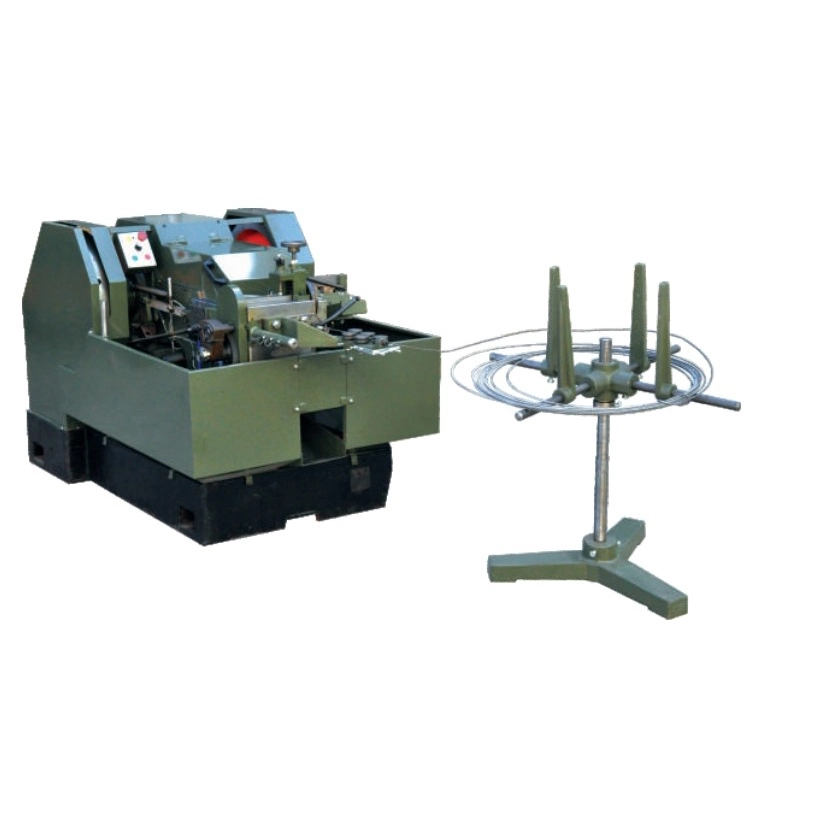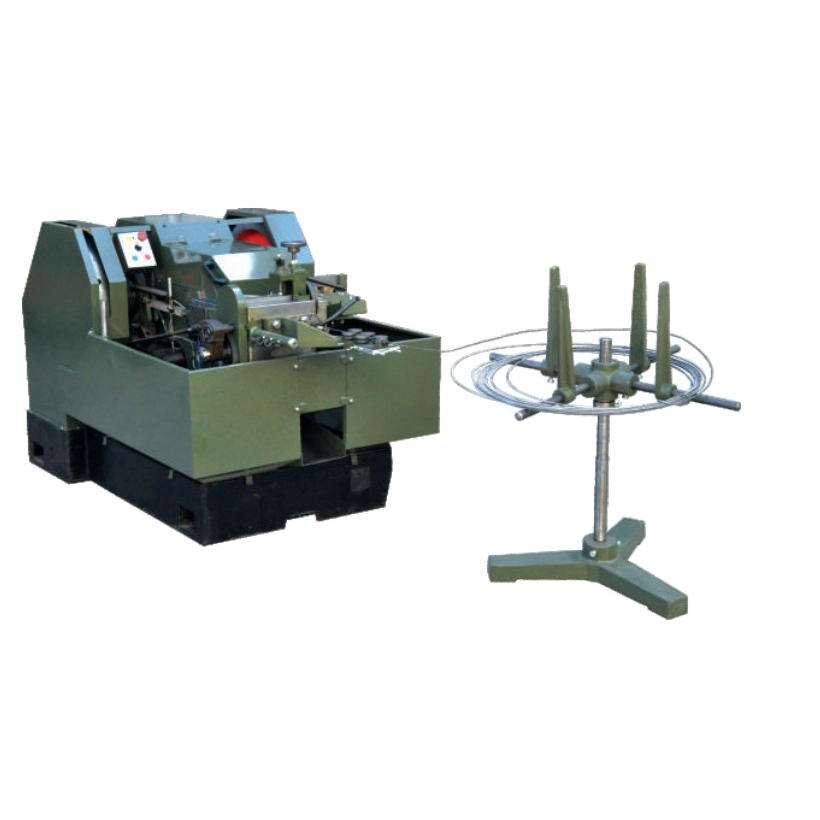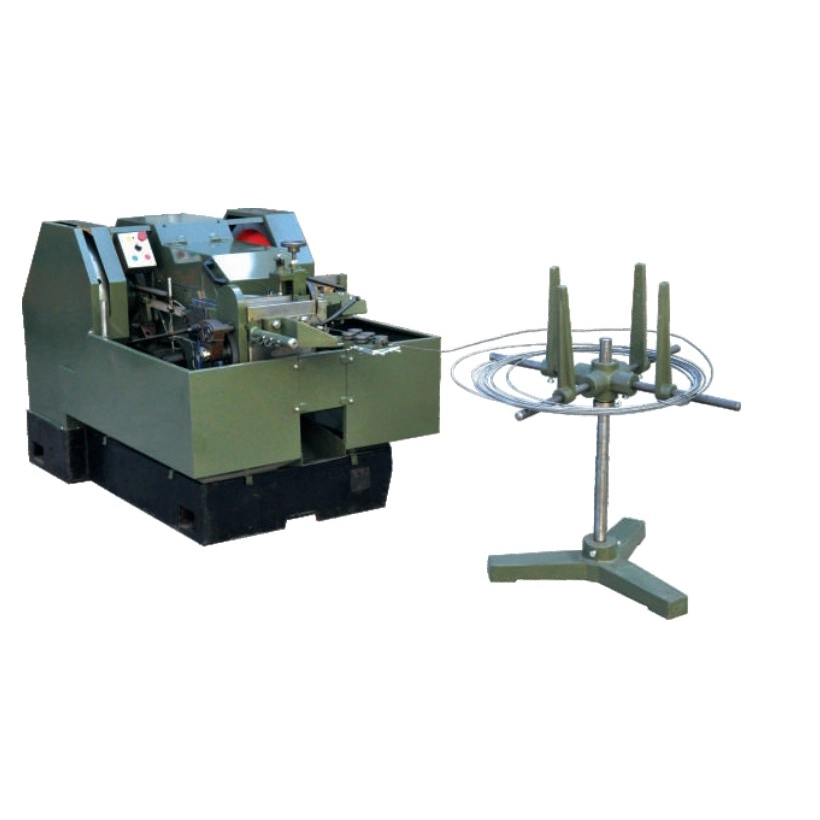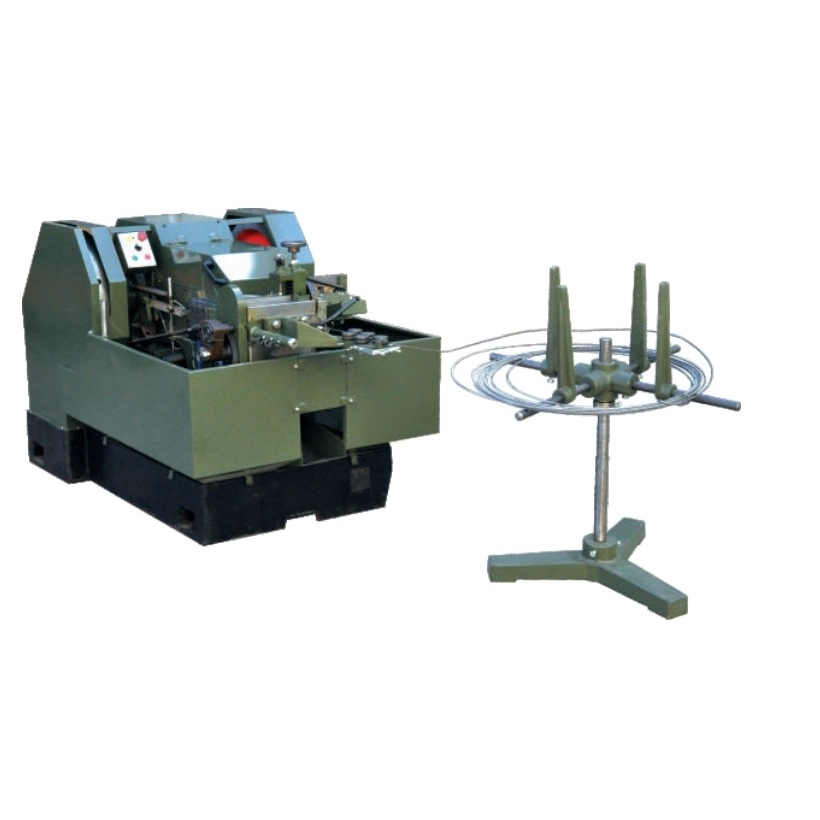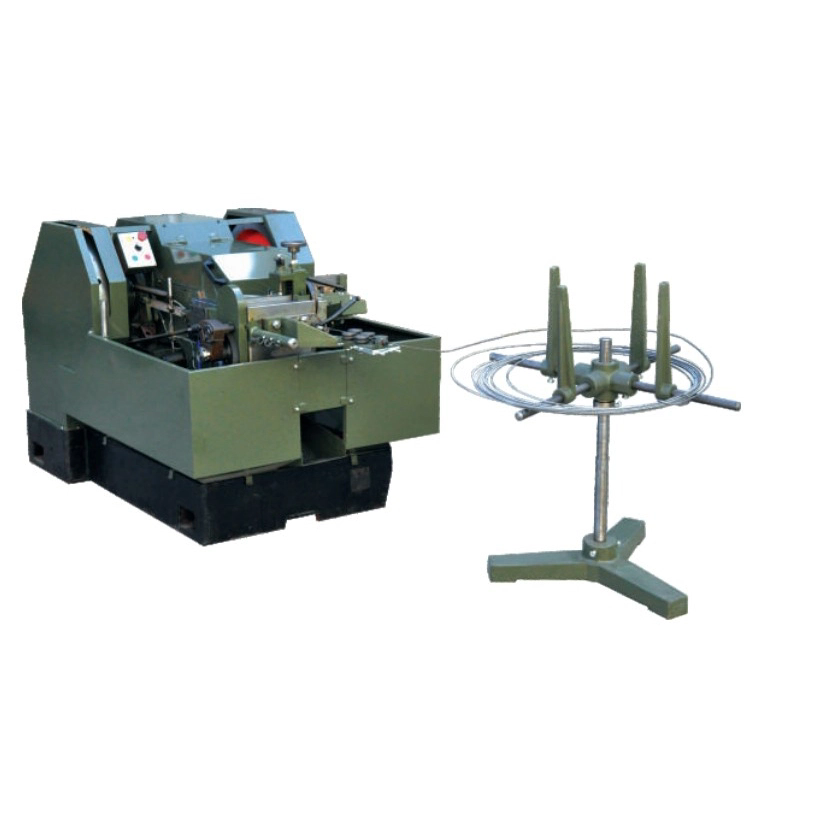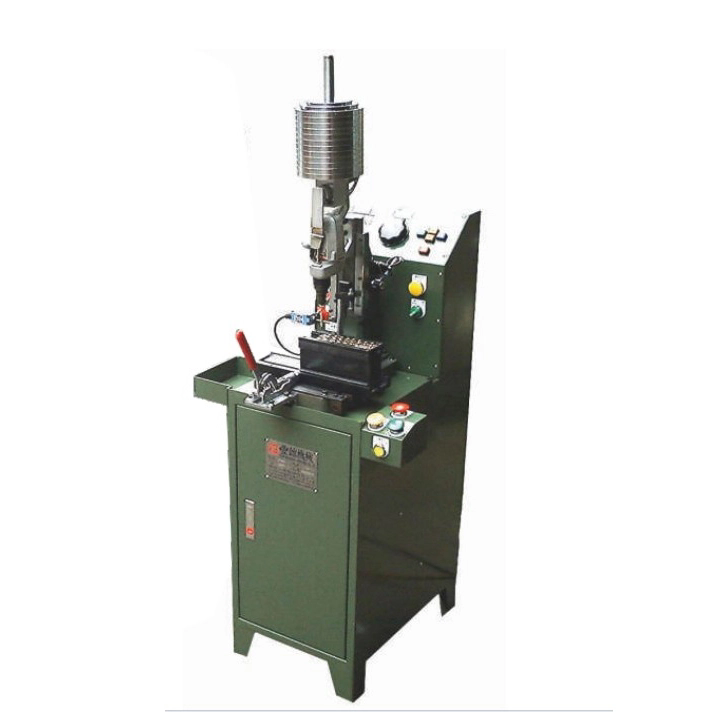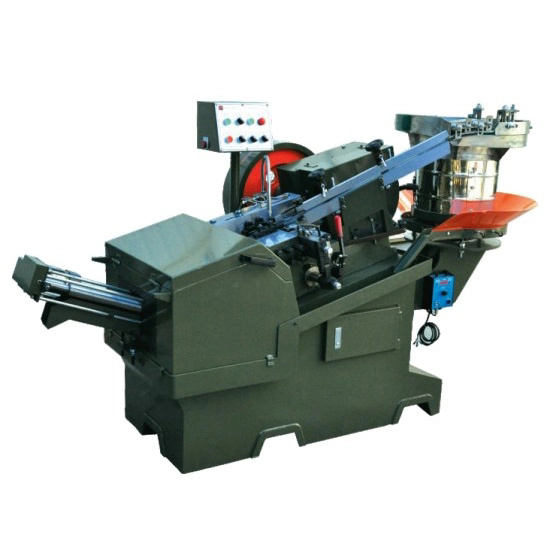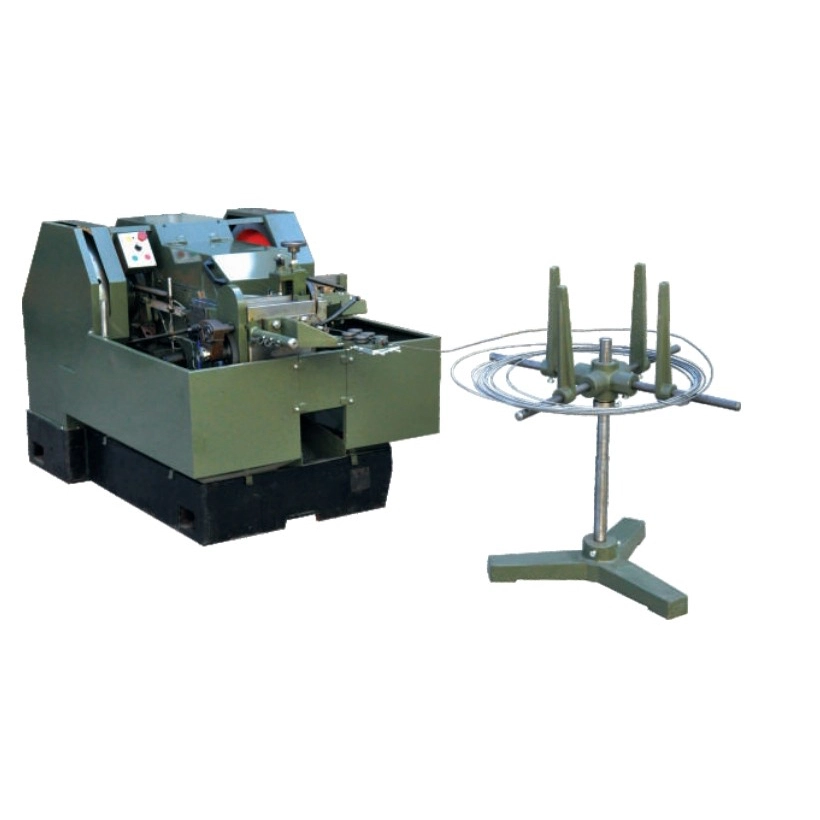

We offer a comprehensive range of screw production equipment—including cold heading, thread rolling, and assembly machines—alongside full-specification drilling tail screws, supported by ODM, OEM, and non-standard customization services.
YWC is a specialized manufacturer and supplier of screw-making machinery, focusing on high-performance screw cold heading machines. As an original equipment manufacturer, YWC provides global fastener producers with core precision cold-forming equipment, complete production line systems, and customized cold heading solutions designed for the industrial-scale mass production of both standard and special-shaped fasteners.
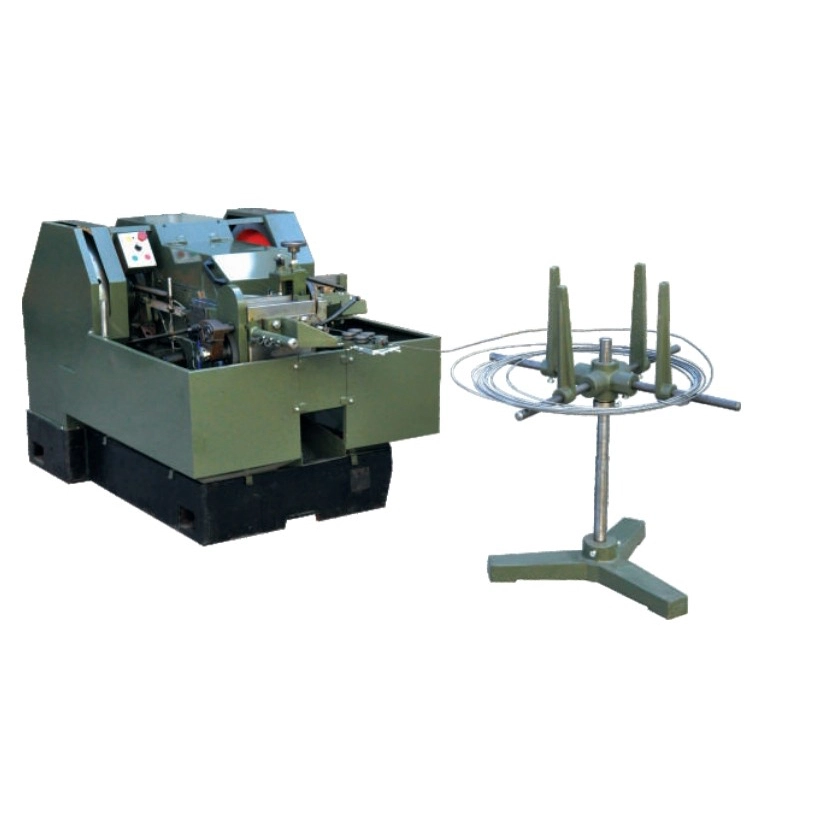
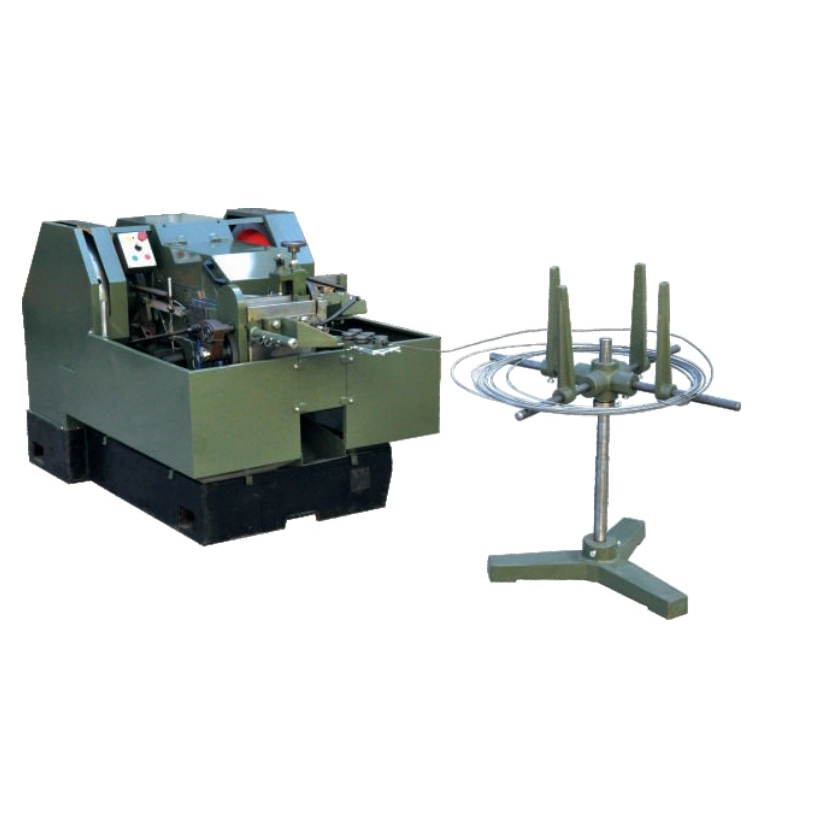
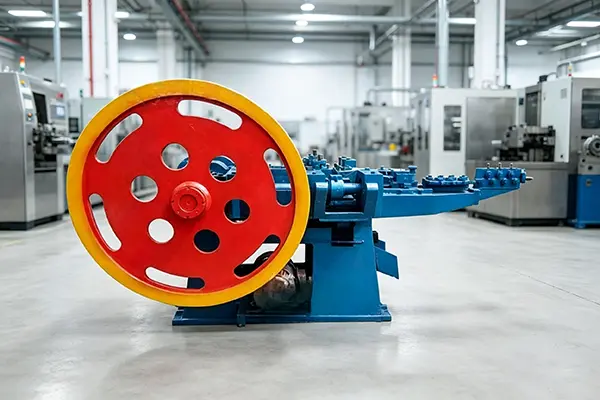
- 1. The screw cold heading machine is a precision industrial tool for the cold forging of metal fasteners. It serves as the fundamental core equipment in the screw and bolt manufacturing process, determining the forming precision and structural stability of the fastener blanks.
- 2. Utilizing a room-temperature metal plastic deformation process, the machine forms the screw head, shank, and pre-formed structures in a single operation, completely eliminating the material waste and structural damage associated with traditional machining (cutting) methods.
- 3. The equipment is compatible with a wide range of materials—including carbon steel, stainless steel, and alloy steel—and is capable of producing standard screws, bolts, and rivets, as well as various non-standard fasteners.
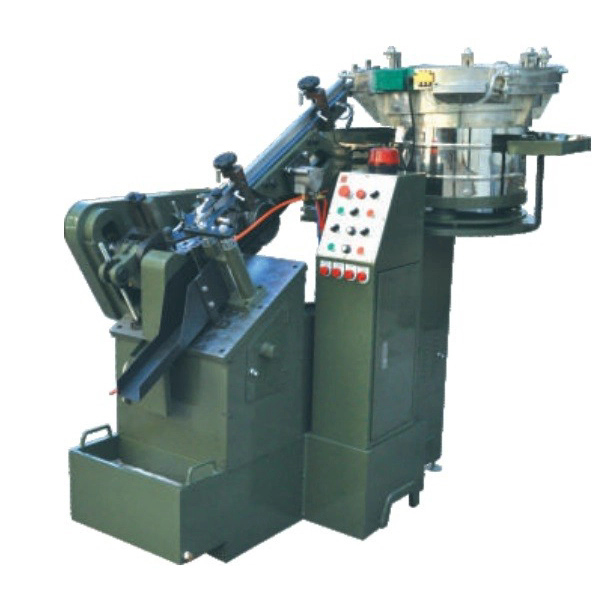
- 4. Often paired with fully automated screw heading systems, it enables a fully automated workflow—including automatic feeding, precise positioning, cold forging, and automatic discharge—significantly enhancing the continuity and standardization of the entire production line.
- 1. Higher raw material utilization. Unlike traditional machining, which requires the removal of excess metal, cold heading relies on plastic deformation; there is virtually no material waste, effectively reducing material costs for the factory.
- 2. More stable structural strength. The room-temperature cold forging process preserves the metal's fibrous grain structure. The resulting screws and bolts possess higher overall density and superior compressive and tensile strength compared to machined parts, leading to greater product durability.
- 3. Enhanced production continuity. When paired with automation equipment, the system enables uninterrupted batch production with minimal manual intervention, effectively boosting the fastener factory's overall production efficiency and output capacity.
- 1. The equipment offers exceptional production versatility, supporting flexible manufacturing across multiple specifications; by swapping custom heading dies and fine-tuning operating parameters, it can perform cold heading for a wide range of screw configurations.
- 2. It can process various standard head types—such as flat, round, countersunk, and hex heads—and supports the custom forming of irregular fasteners, covering the entire production spectrum from miniature precision electronic screws to large-scale engineering bolts.
- 3. The fully automated heading system features intelligent parameter adjustment and automatic die-changing capabilities, enabling rapid specification switching; it meets the needs of both high-volume standardized mass production and small-batch, multi-variety custom orders.
- 1. Industrial Machinery: Mass production of screws, bolts, and rivets for various types of machinery and equipment, meeting assembly and fastening requirements.
- 2. Construction and Hardware: Production of standard fasteners suitable for structural fastening, home improvement hardware, and general hardware assembly across both civil and engineering applications.
The screw cold heading machine can form standard screws, bolts, rivets, and various irregular fasteners from materials such as carbon steel, stainless steel, and alloy steel, covering everything from precision miniature parts to large-scale engineering components.
Cold heading utilizes plastic deformation at room temperature, resulting in no material waste and maintaining the integrity of the metal structure for higher strength; traditional machining removes raw material and disrupts metal grain flow, leading to significant waste and lower product strength.
Yes. By changing custom dies and adjusting equipment parameters, it can produce a wide range of non-standard and irregular fasteners, accommodating production needs for both small and large batches as well as frequent specification changes.
Yes. It can be integrated with a fully automatic screw heading machine to achieve a fully automated workflow—covering feeding, forming, and discharging—thereby enhancing the standardization and automation of the entire production line.
The equipment offers excellent versatility and can reliably process mainstream metals used in fastener manufacturing—such as carbon steel, stainless steel, and alloy steel—meeting the raw material requirements of the vast majority of hardware factories.