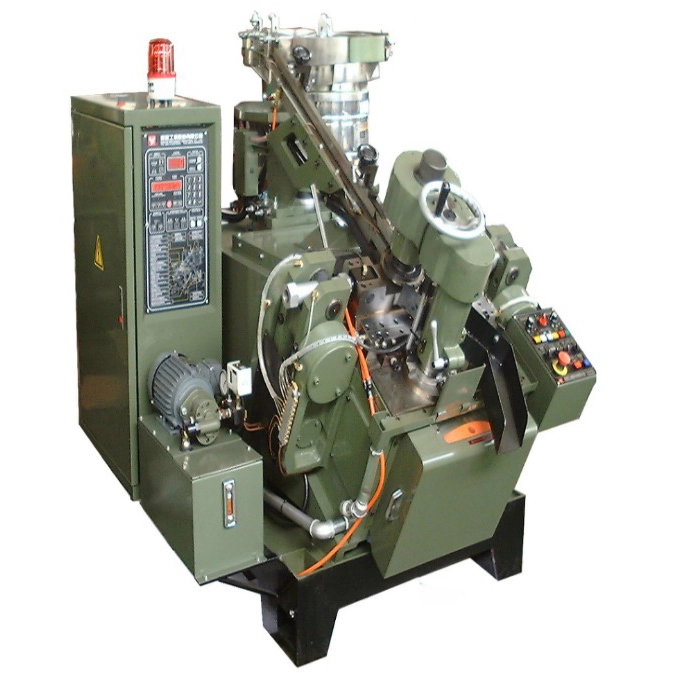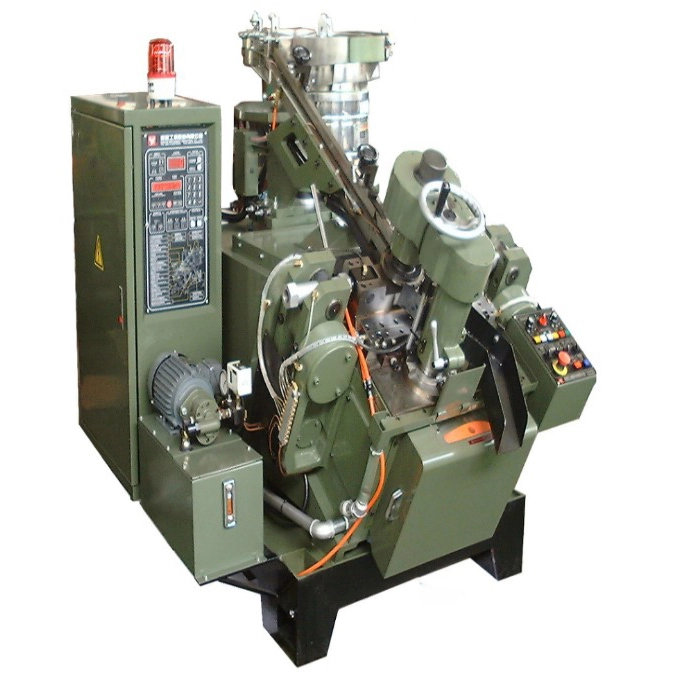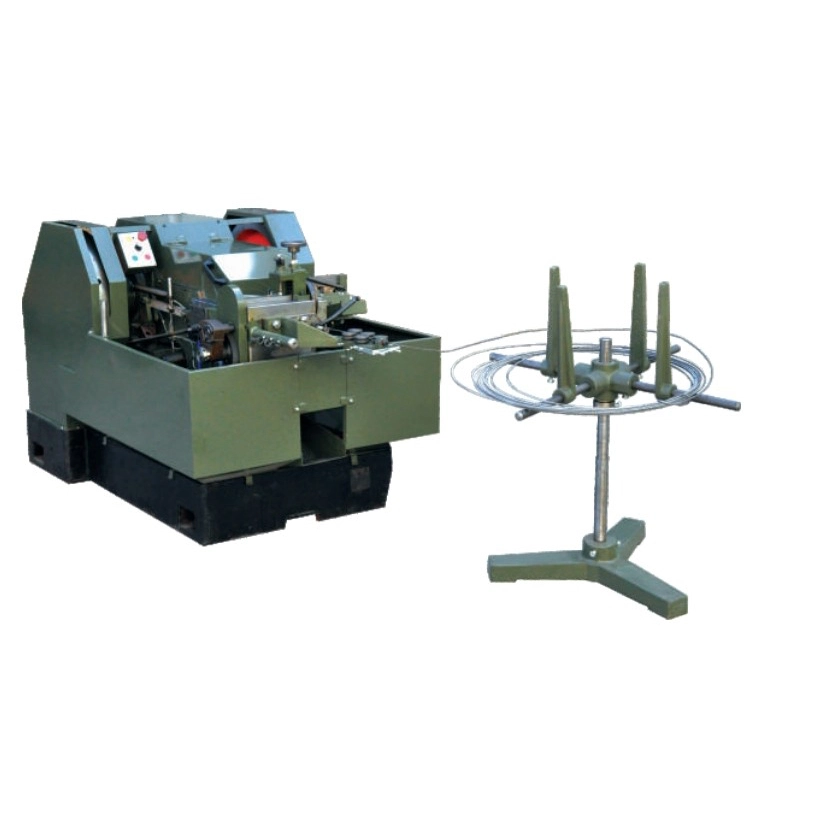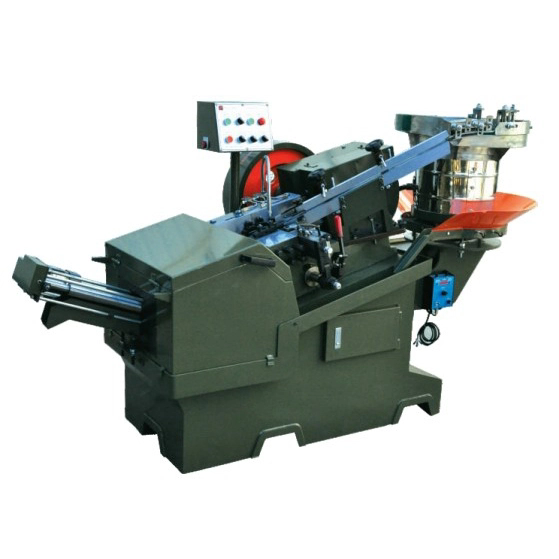

Abstract · This article provides a detailed technical examination of the Self Drilling Screw Testing Machine, exploring its design principles, testing methodologies, and critical role in ensuring fastener quality and performance reliability. The discussion covers torque testing, drilling performance evaluation, pull-out strength measurement, and the engineering considerations that define effective quality control for self-drilling screws used in construction and manufacturing.
01. Core Functions and Testing Capabilities
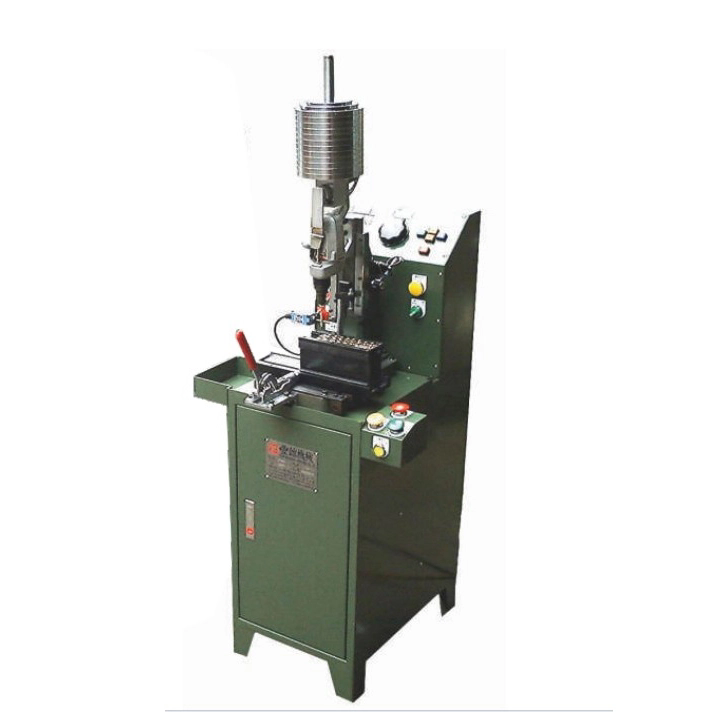
A Self Drilling Screw Testing Machine is a specialized piece of equipment designed to evaluate the mechanical performance of self-drilling screws. These screws, commonly known as Tek screws, feature a drill point that allows them to drill their own pilot hole in metal, wood, or plastic without the need for pre-drilling.
The testing machine performs a series of controlled tests to verify that the screws meet the required specifications for torque, drilling speed, pull-out strength, and torsional strength. These tests are essential for quality control in manufacturing and for ensuring that the screws will perform reliably in their intended applications. The machine provides repeatable, quantifiable data that can be used to validate product design, monitor production consistency, and certify compliance with industry standards.
Mechanical testing of self-drilling screws
Torque, drilling, pull-out, torsional strength
Quality control and product certification
02. Torque Testing and Driving Performance
Measures the torque required to drive the screw into the test material
Determines the torque at which the screw head seats against the material
Identifies the torque at which the screw threads strip or fail
Evaluates the maximum torque the screw can withstand before failure
Torque testing is a fundamental capability of the Self Drilling Screw Testing Machine. The machine applies a controlled rotational force to the screw while monitoring the torque required to drive it into a test specimen. The drive torque, seating torque, and stripping torque are recorded to provide a complete profile of the screw's driving performance. The torsional strength test determines the maximum torque the screw can withstand before the shank twists off or the head shears, which is critical for ensuring the screw will not fail during installation.
03. Drilling Performance and Penetration Evaluation
The drilling performance of a self-drilling screw is evaluated by measuring the time required to drill through a standard test material and the force required to achieve penetration. The Self Drilling Screw Testing Machine provides controlled conditions for these tests, ensuring repeatable and comparable results.
- Drilling Time: The time taken for the drill point to penetrate through a specified thickness of test material. Shorter times indicate better drilling efficiency.
- Drilling Force: The axial force required to press the screw against the material while drilling. This is measured by a load cell integrated into the machine.
- Point Durability: The ability of the drill point to maintain its sharpness and cutting effectiveness over multiple drilling operations.
- Material Compatibility: The machine can test screws on a range of materials, including steel, aluminum, and wood, to evaluate performance across different substrates.
- Speed Control: The rotational speed of the driving tool is controlled and monitored to ensure consistent test conditions.
Testing Note: Drilling performance tests are typically conducted on standard test coupons of known thickness and material grade. The results provide a comparative measure of screw performance and can be used to identify variations in production quality.
04. Pull-Out Strength and Structural Integrity Tests
Pull-out strength is a critical performance parameter for self-drilling screws, as it determines the load-carrying capacity of the fastened joint. The Self Drilling Screw Testing Machine measures the axial force required to pull the screw out of the test material after it has been driven to the specified depth.
| Test Parameter | Description | Significance |
|---|---|---|
| Pull-Out Force | Maximum axial force before screw pulls out | Determines load-carrying capacity of the joint |
| Pull-Out Displacement | Displacement at peak load | Indicates ductility of the connection |
| Pull-Over Force | Force required to pull the screw head through the material | Evaluates head strength and material thickness suitability |
| Shear Strength | Force required to shear the screw shank | Determines lateral load capacity |
| Fatigue Resistance | Performance under cyclic loading | Important for dynamic applications |
Based on standard test methods for self-drilling screws.
The pull-out test is performed by gripping the screw head and applying a tensile force while measuring the force and displacement. The peak force is recorded as the pull-out strength. The test can be performed on various materials and thicknesses to evaluate the screw's performance across different applications.
05. Machine Configurations and Automation Features
Self-drilling screw testing machines are available in a range of configurations, from manual bench-top units to fully automated systems for high-volume testing.
- Manual Testers: Operated by hand, with the operator controlling the driving speed and recording the results. Suitable for low-volume testing and laboratory use.
- Semi-Automatic Testers: Motorized driving with automatic data recording. The operator loads the sample and initiates the test cycle.
- Fully Automatic Systems: Robotic loading and testing, with automatic data acquisition and report generation. Suitable for high-volume production environments.
- Multi-Station Testers: Allow multiple tests to be performed simultaneously, increasing throughput.
- Environmental Chambers: Some systems can be integrated with temperature and humidity control to test screws under different environmental conditions.
The automation features of the testing machine improve repeatability and reduce operator error. Automated data acquisition systems capture the test data, calculate statistical parameters, and generate reports that can be used for quality documentation and certification.
06. Data Acquisition and Quality Management Integration
The Self Drilling Screw Testing Machine is an integral component of a comprehensive quality management system. The data generated by the testing machine is used to monitor production consistency, validate product designs, and certify compliance with industry standards.
- Data Recording: Test data is recorded automatically, eliminating manual transcription errors.
- Statistical Analysis: The system calculates mean, standard deviation, and process capability indices to monitor production quality.
- Trend Monitoring: Long-term data trends can be analyzed to detect process drift and identify the need for maintenance or adjustment.
- Report Generation: Test reports can be generated in standard formats for quality documentation and customer certification.
- Integration: The testing machine can be integrated with laboratory information management systems (LIMS) or enterprise quality management software.
Quality Note: The data provided by the testing machine enables manufacturers to demonstrate compliance with standards such as ASTM, ISO, and DIN. It also supports continuous improvement initiatives by providing objective feedback on product performance.
Frequently Asked Questions
Technical specifications and testing capabilities may vary. Always consult the manufacturer's documentation for your specific application requirements.