
Stay updated on our latest exhibition appearances, new product launches, and company developments as we continue to expand our presence in international fastener and machinery markets.
A Thread Rolling Machine is an essential piece of equipment for modern metalworking industries that require high-strength, precise, and durable threaded components. Unlike traditional cutting methods, thread rolling uses a cold forming process to reshape metal materials without removing material, resulting in stronger threads, better surface finishes, and improved production efficiency.
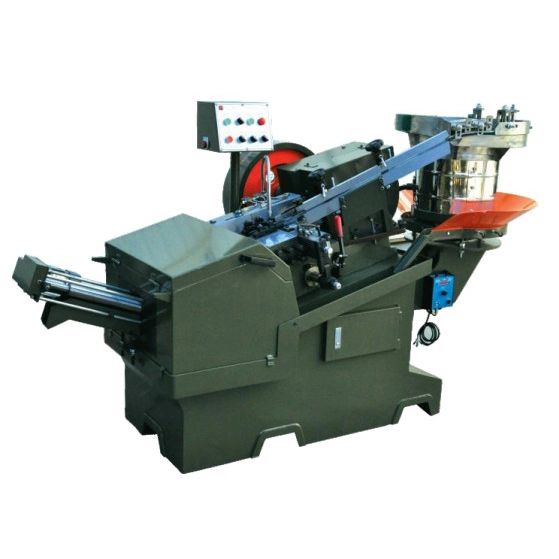
This article explains how a Thread Rolling Machine works, why manufacturers choose this technology, what challenges it solves, and how businesses can select the right solution for their production needs. With advanced manufacturing experience and professional solutions, YWC provides reliable Thread Rolling Machine options designed to help customers achieve stable production, lower operating costs, and consistent product performance.
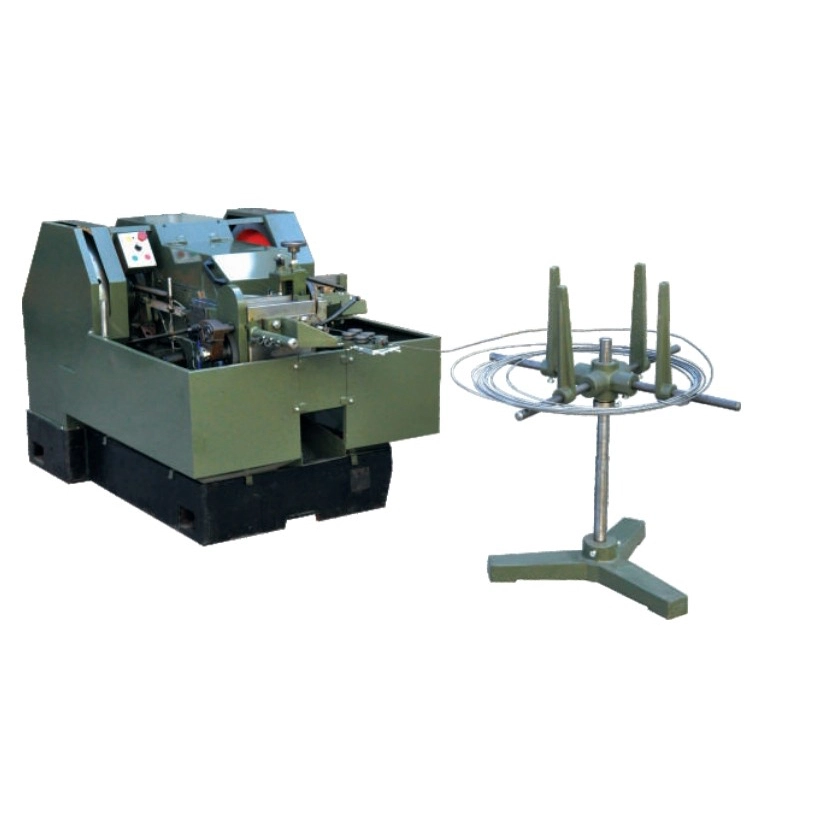
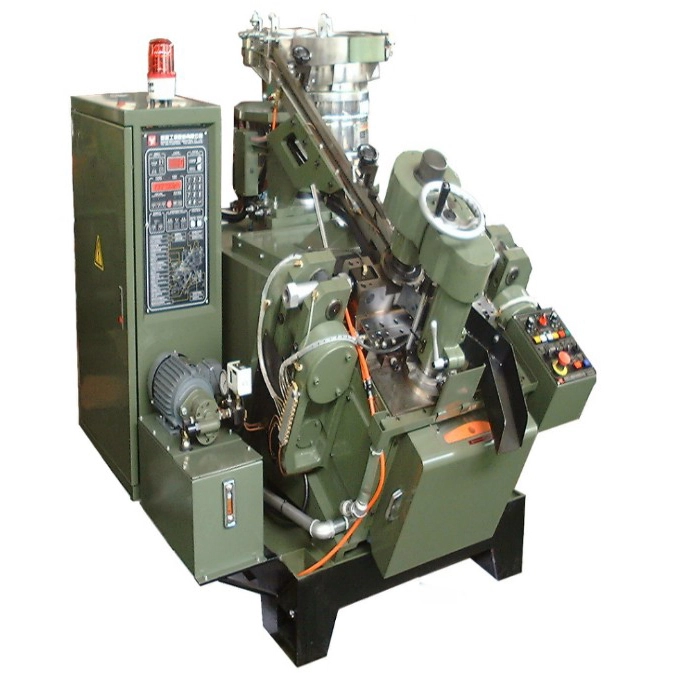
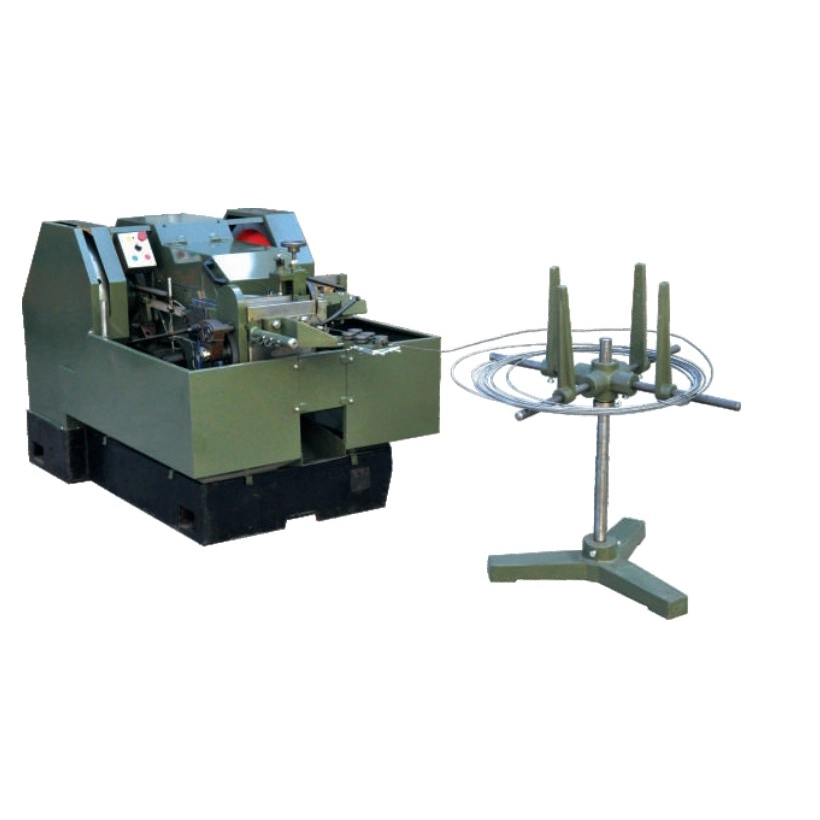
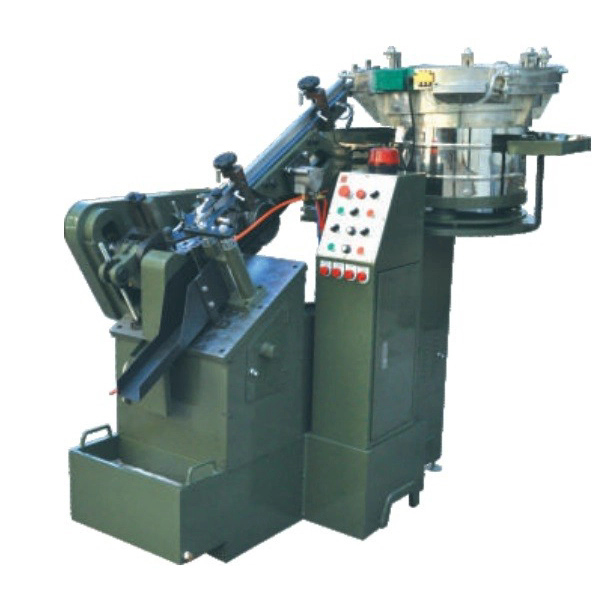
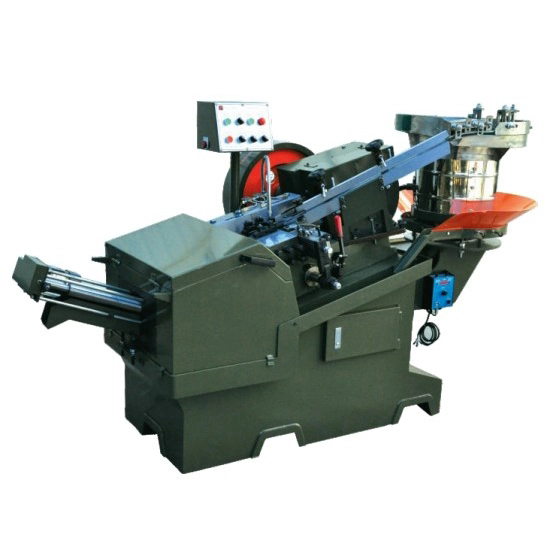
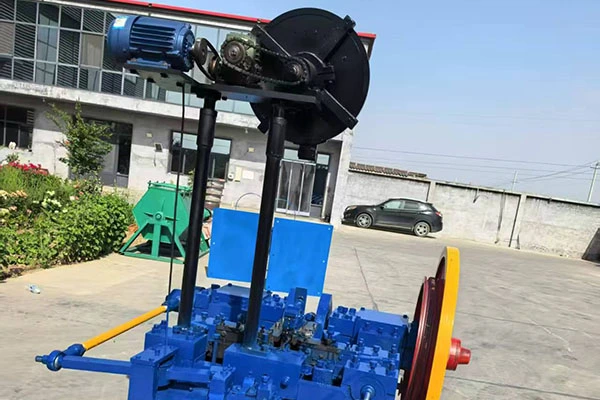
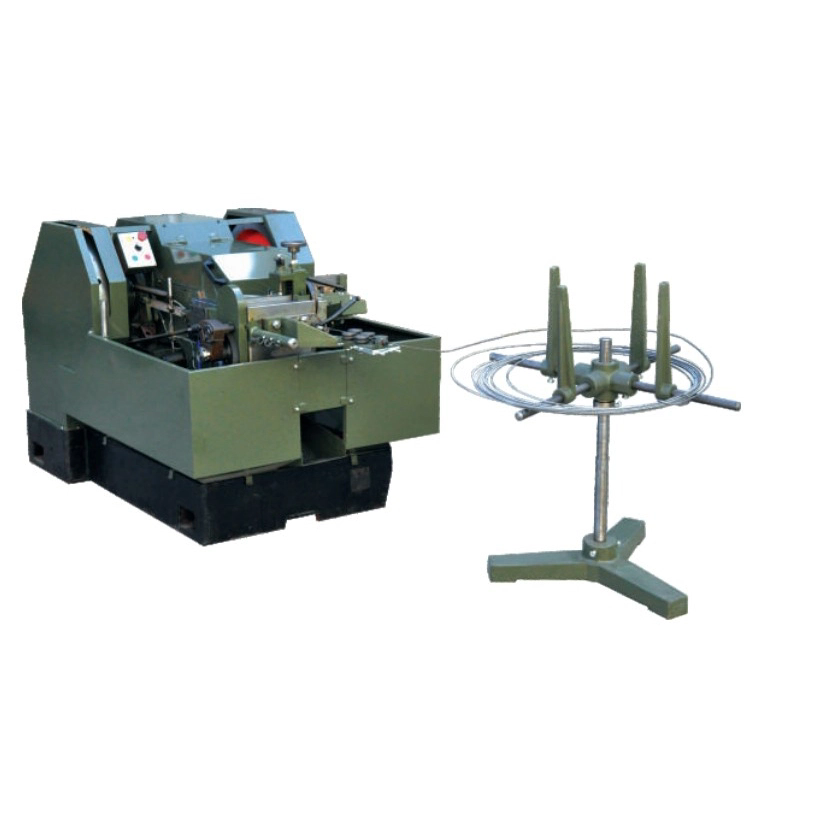
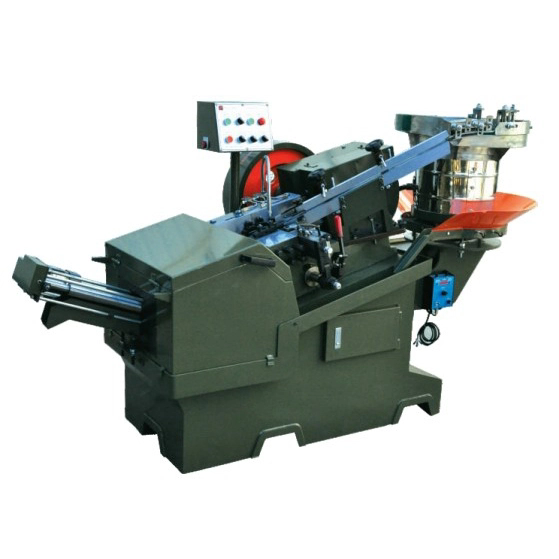
A Thread Rolling Machine is industrial equipment designed to create external threads on metal components through pressure forming rather than cutting. During the process, hardened rolling dies apply controlled force to a rotating workpiece, causing the material to flow and form accurate thread profiles.
This technology is widely used for manufacturing bolts, screws, shafts, fasteners, automotive parts, and precision mechanical components. Because the process improves material strength while maintaining excellent dimensional accuracy, thread rolling has become an important solution for industries requiring reliable and high-performance threaded products.
| Feature | Thread Rolling Machine | Traditional Thread Cutting |
|---|---|---|
| Processing Method | Cold forming through pressure | Material removal through cutting |
| Material Waste | Very low material waste | Produces chips and waste |
| Thread Strength | Higher fatigue resistance | Lower grain continuity |
| Surface Finish | Smooth and compact surface | Requires additional finishing in some cases |
| Production Speed | Suitable for mass production | Generally slower for large quantities |
Understanding the working principle of a Thread Rolling Machine helps manufacturers choose the right equipment and optimize production processes. The basic operation involves several important steps.
Modern Thread Rolling Machines often include precision control systems, adjustable rolling pressure, and automated operation features to improve repeatability and reduce operator workload.
Manufacturers constantly face challenges such as rising material costs, quality requirements, and the need for faster production cycles. Thread Rolling Machines provide practical solutions to these problems by improving both efficiency and product reliability.
| Manufacturing Challenge | How Thread Rolling Solves It |
|---|---|
| High material consumption | The forming process preserves material and reduces waste. |
| Weak thread structure | Metal fibers remain continuous, improving strength and durability. |
| Slow production speed | High-speed rolling supports large-volume manufacturing. |
| Inconsistent thread quality | Precision dies provide stable and repeatable results. |
| High maintenance cost | Efficient designs reduce downtime and improve machine life. |
For industries producing thousands of threaded components every day, these advantages can significantly improve profitability and production stability.
Thread Rolling Machines are widely applied across many industries because threaded components are essential in mechanical assembly and structural connections.
Different applications require different machine capacities, rolling forces, and automation levels. Selecting suitable equipment is important for achieving the expected production results.
Choosing the correct Thread Rolling Machine requires careful consideration of production requirements, material characteristics, and product specifications.
| Selection Factor | Important Considerations |
|---|---|
| Material Type | Consider hardness, strength, and forming capability. |
| Thread Size | Select equipment according to diameter, pitch, and thread length. |
| Production Volume | High-volume production may require automatic or CNC solutions. |
| Precision Requirements | Choose machines with stable control and accurate adjustment systems. |
| After-Sales Support | Reliable technical assistance helps reduce production interruptions. |
A professional manufacturer can help evaluate production conditions and recommend a suitable configuration instead of offering a standard machine without considering actual requirements.
Proper maintenance is essential for keeping a Thread Rolling Machine operating efficiently. Regular inspection can prevent unexpected downtime and extend equipment service life.
A well-maintained machine delivers better accuracy, lower operating costs, and more stable production performance over time.
YWC focuses on providing professional Thread Rolling Machine solutions that meet the needs of modern manufacturing companies. By combining reliable machine structures, precise processing technology, and customer-oriented service, YWC helps customers improve production efficiency and product consistency.
Whether customers require equipment for automotive components, mechanical parts, fasteners, or customized applications, YWC works to provide suitable solutions based on specific manufacturing requirements.
The goal of YWC is not only to supply machinery but also to support customers with practical production solutions that improve operational performance and long-term value.
Q1: What materials can be processed by a Thread Rolling Machine?
A Thread Rolling Machine can process many types of metals, including steel, stainless steel, alloy steel, and other materials suitable for cold forming.
Q2: Is thread rolling stronger than thread cutting?
Yes. Thread rolling improves thread strength because the material structure is compressed instead of being cut away, which helps improve fatigue resistance.
Q3: Can a Thread Rolling Machine support automatic production?
Many modern machines can be integrated with automation systems to improve production speed and reduce manual operation.
Q4: How long can a Thread Rolling Machine operate?
With proper maintenance, quality equipment can provide reliable performance for many years in industrial production environments.
Q5: How can manufacturers choose a suitable Thread Rolling Machine?
Manufacturers should evaluate material type, thread specifications, production volume, precision requirements, and technical support before making a decision.
A Thread Rolling Machine provides an efficient solution for manufacturers seeking stronger threads, higher productivity, and reduced production costs. Through advanced forming technology, this equipment helps industries create durable threaded components while improving manufacturing efficiency.
With professional experience and customer-focused solutions, YWC is committed to helping businesses select reliable Thread Rolling Machine equipment for their production needs. If you are looking for a customized solution or want to learn more about suitable models for your application, please contact us.