
Stay updated on our latest exhibition appearances, new product launches, and company developments as we continue to expand our presence in international fastener and machinery markets.
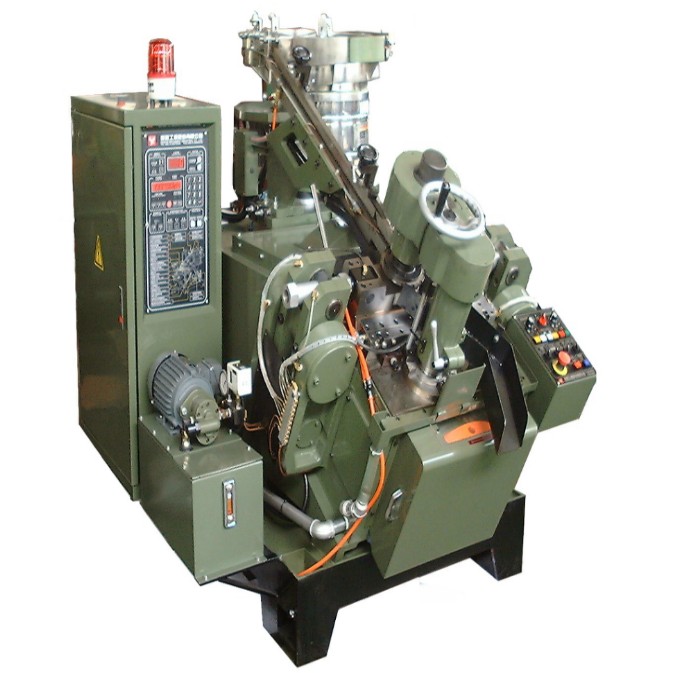
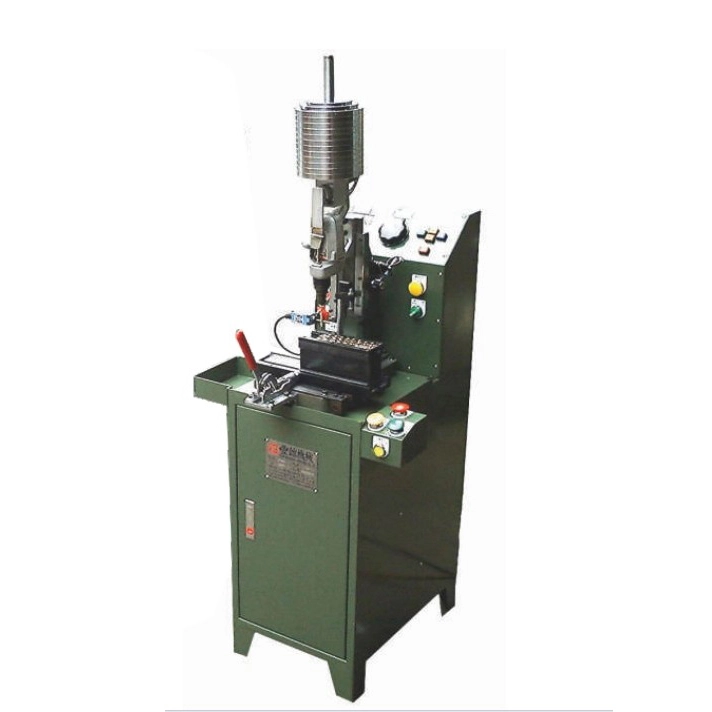
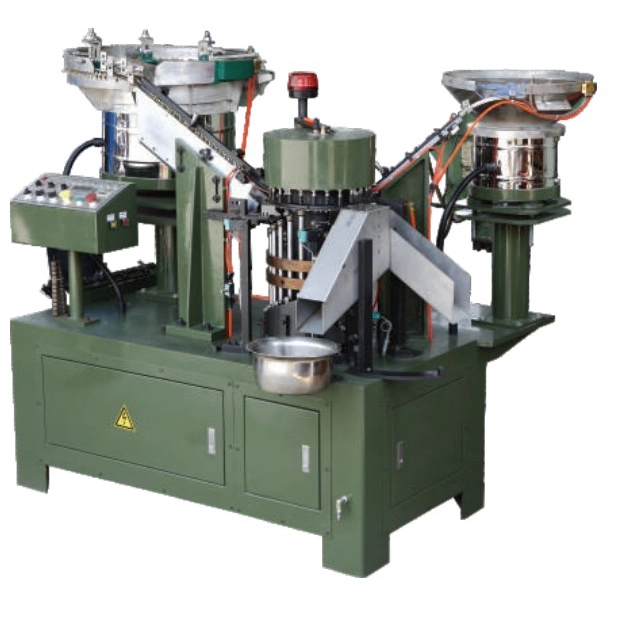
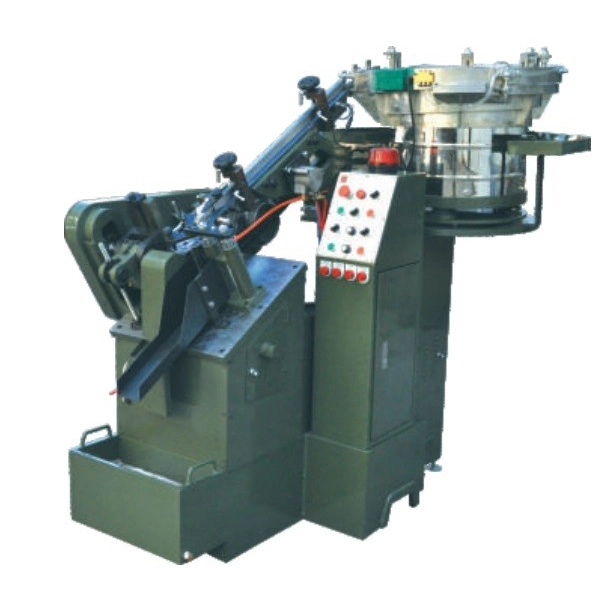
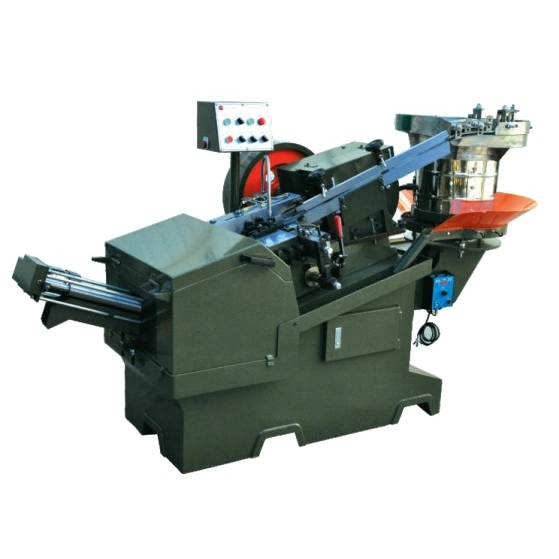
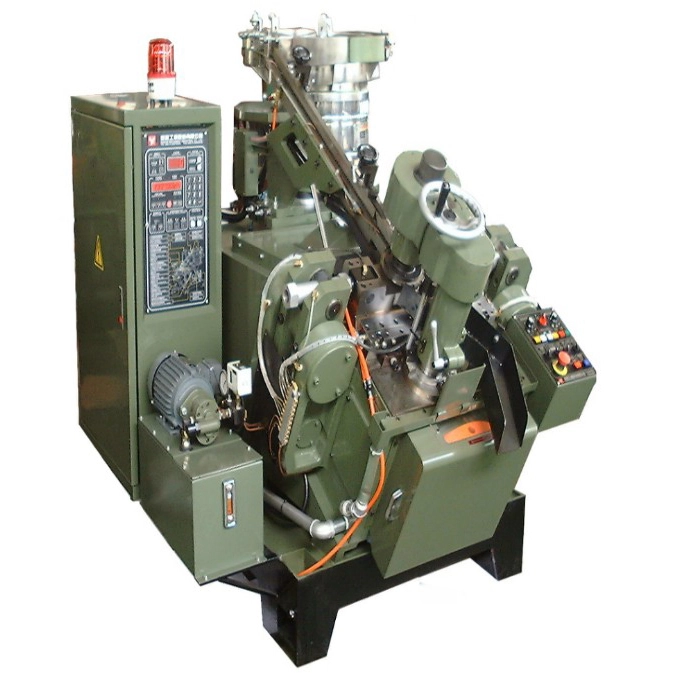
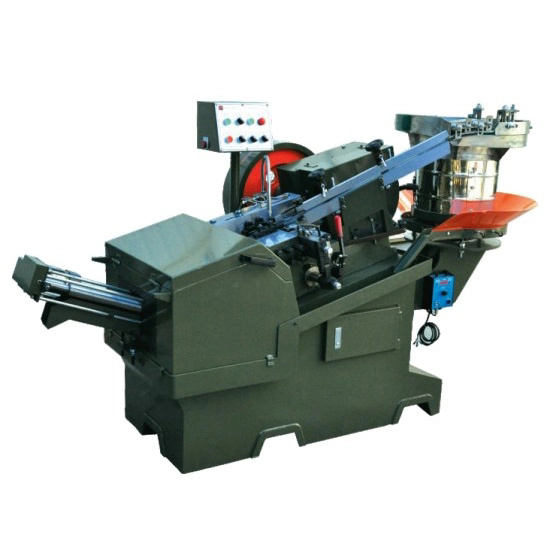
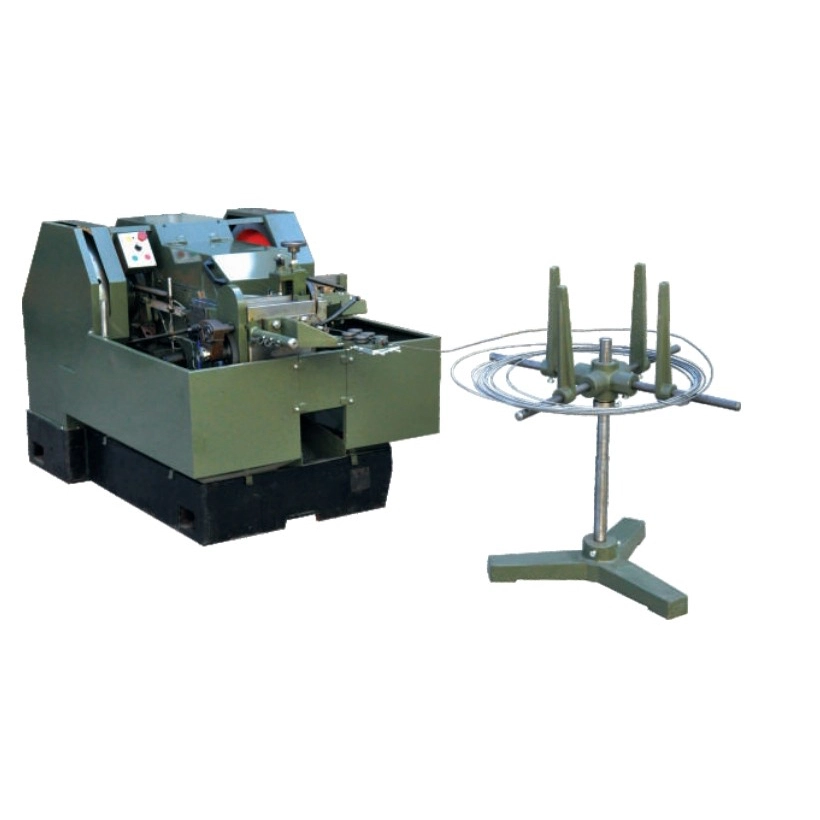
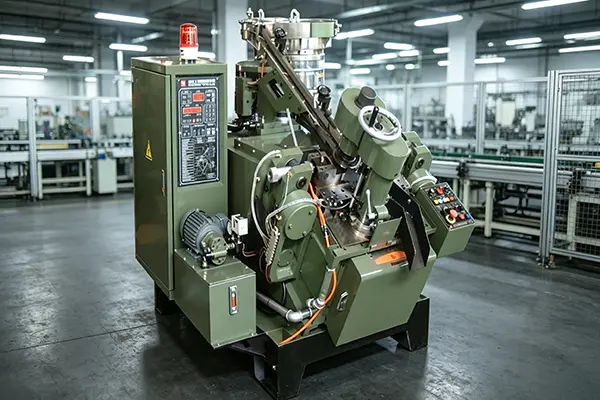
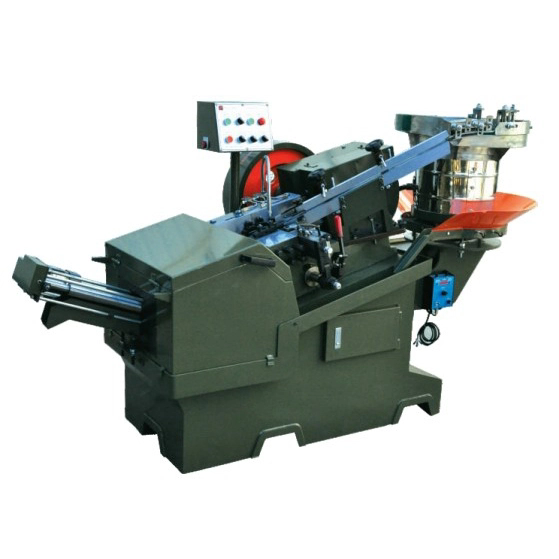
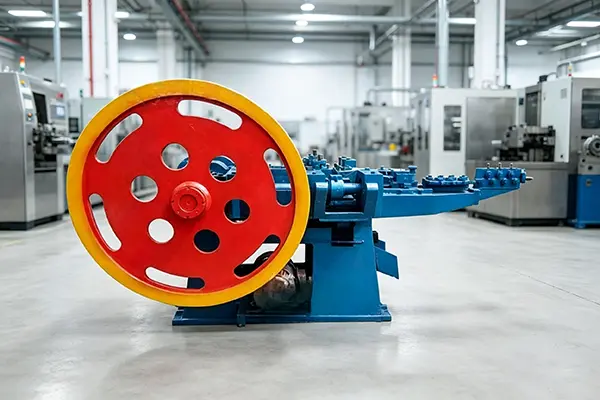
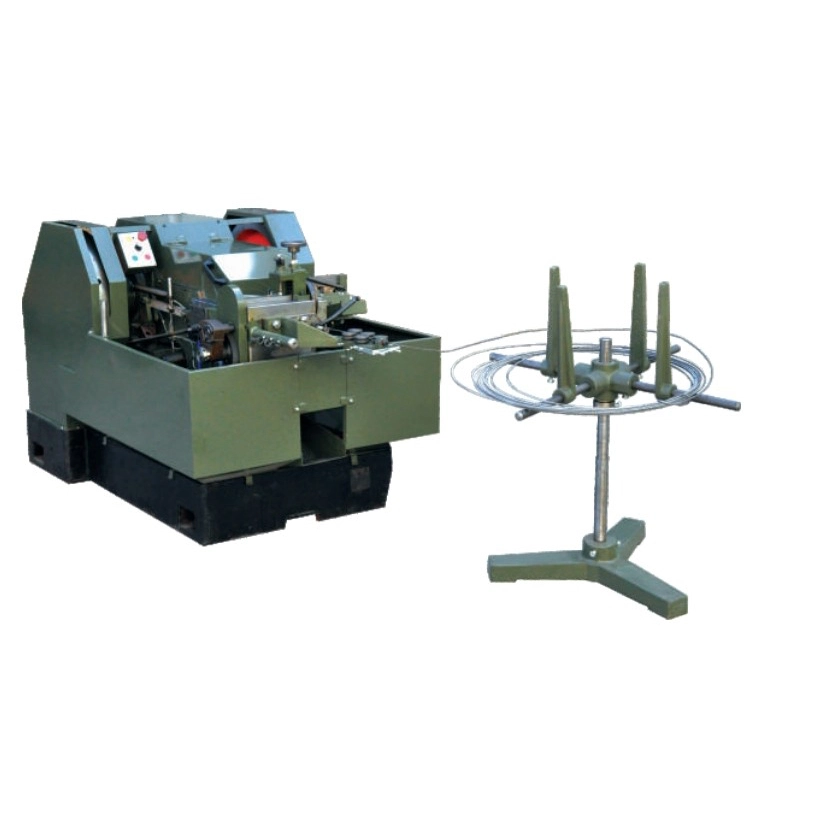
For fastener manufacturers seeking higher output, consistent quality, and lower production costs, YWC’s Screw Production Line with Cold Heading Machine provides an integrated solution that combines wire straightening, cold heading, thread rolling, edge trimming, automatic screening, and finished-product output into one streamlined production system.
A modern screw manufacturing operation requires more than a single forming machine. It needs a coordinated production system capable of maintaining dimensional accuracy, minimizing material waste, reducing manual intervention, and supporting continuous production. A Screw Production Line with Cold Heading Machine addresses these requirements by connecting multiple essential processes into an automated workflow.
YWC's integrated solution is designed for mass production of standard screws, self-tapping screws, wood screws, mechanical bolts, and selected customized fasteners. According to the manufacturer's specifications, the line supports screw diameters from M2 to M20, production speeds of approximately 120–450 pieces per minute depending on product size and material, and a product qualification rate of at least 99.6% under suitable production conditions.
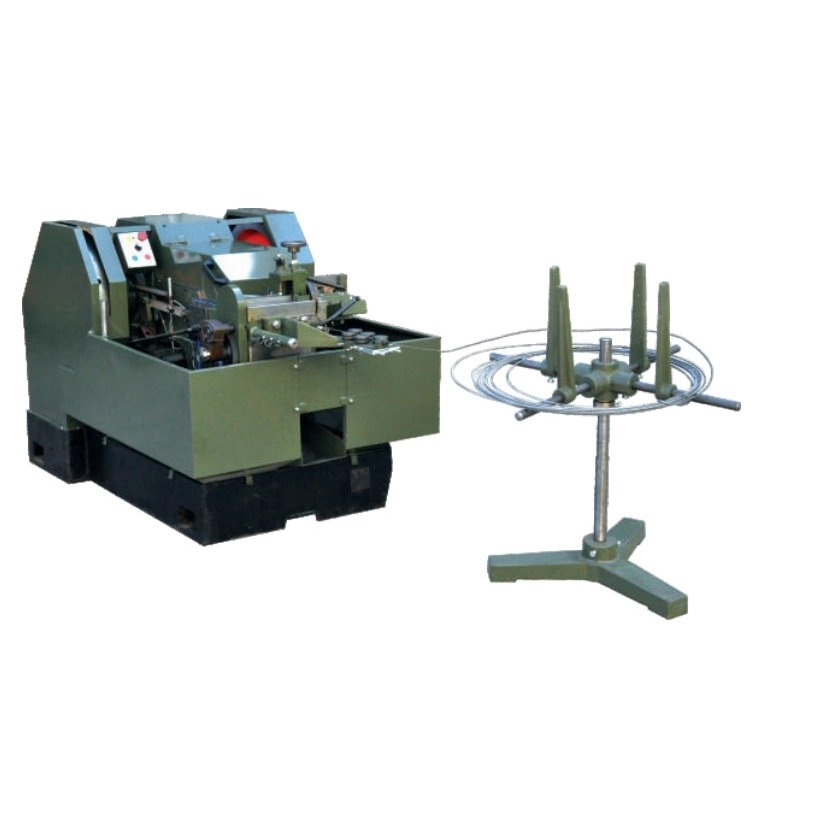
Traditional screw manufacturing can involve several independent machines. Operators may need to transfer materials between wire preparation, heading, thread rolling, inspection, and collection processes. While this approach can work for small-scale production, it becomes increasingly inefficient as order volumes rise.
An integrated screw production line minimizes these disconnected operations. Instead of treating each manufacturing stage as an isolated process, the line coordinates them through automated material transfer and centralized control.
This approach can help manufacturers achieve several important objectives:
For manufacturers comparing a standalone screw cold heading machine with a complete automated solution, the main consideration is not simply machine capacity. The overall production workflow, labor input, material handling, quality control, and downstream processing requirements should also be evaluated.
Cold heading is a metal forming process in which metal wire is shaped at room temperature through controlled deformation rather than conventional material removal. In screw production, the process is especially important because it can form the screw head and establish the basic fastener geometry at high speed.
The process generally begins with prepared steel wire. The wire is fed into the heading equipment, accurately positioned, cut to the required length, and formed through controlled die pressure. Depending on the screw design and machine configuration, multiple forming stages can be used to achieve the required head geometry.
Unlike machining processes that remove excess material to create a component, cold heading primarily reshapes the existing material. This can improve raw-material utilization and support efficient mass production.
The cold heading stage therefore acts as a critical foundation for subsequent operations such as thread rolling, trimming, inspection, and packaging.
A complete screw production line can connect several stages into a continuous manufacturing workflow. YWC's configuration integrates the major processes required for producing a broad range of industrial screws.
This connected workflow allows manufacturers to reduce the interruptions associated with transferring semi-finished products between independent machines.
The performance of a complete screw manufacturing line depends on how effectively its individual modules work together. The following table summarizes the principal modules incorporated into the YWC system:
| Production Module | Primary Function | Manufacturing Value |
|---|---|---|
| Wire Straightening Module | Straightens incoming steel wire | Improves feeding and forming stability |
| Cold Heading Module | Cuts and forms screw blanks and heads | Provides high-speed primary screw forming |
| Thread Rolling Module | Forms accurate external threads | Supports consistent thread geometry |
| Edge Trimming Module | Removes burrs and edge flashes | Improves finished fastener appearance |
| Automatic Screening Module | Separates qualified and defective products | Strengthens quality control |
| Finished Product Output | Transfers qualified fasteners | Facilitates downstream packaging and processing |
By combining these modules, the production line provides a more comprehensive solution than a single cold heading machine. This is particularly valuable for factories that need repeatable, high-volume manufacturing rather than isolated screw-head forming.
Production requirements vary according to screw dimensions, material properties, product design, and target output. The published specifications for the YWC line provide a useful reference for evaluating its production range.
| Parameter | Specification |
|---|---|
| Applicable Screw Diameter | M2–M20 |
| Applicable Materials | Iron, carbon steel, alloy steel, partial stainless steel |
| Production Speed | 120–450 PCS/min, depending on screw size and material |
| Product Qualification Rate | ≥99.6% |
| Control System | YWC integrated intelligent control system |
| Operation | One-key startup, automatic parameter matching, synchronous linkage |
| Automation Features | Parameter memory, fault alarm, automatic feeding and discharge |
Actual production performance can vary according to screw dimensions, material hardness, tooling configuration, forming requirements, and operating conditions. Manufacturers should therefore confirm product-specific requirements before selecting the final machine configuration.
With a stated production range of up to 450 pieces per minute depending on the product, the system is designed for demanding industrial production environments. Automated coordination between stages helps reduce idle time caused by manual transfers.
The integrated process helps maintain consistent production parameters throughout the manufacturing cycle. Automatic screening further supports quality control by separating qualified products from defective pieces.
Cold forming reshapes the metal instead of relying primarily on cutting away excess material. This can improve material utilization and reduce the raw-material losses associated with conventional machining.
Automatic feeding, synchronized production, screening, and discharge reduce repetitive operator involvement. This allows production personnel to focus more on monitoring, maintenance, inspection, and process management.
The integrated control system supports functions such as parameter memory, automatic parameter matching, and fault alarms. These features can make repeated production orders easier to manage and help operators restore previously used settings.
The equipment is designed for intensive industrial production and can support extended operating periods when correctly installed, maintained, lubricated, and configured for the specific product.
A Screw Production Line with Cold Heading Machine can serve manufacturers producing fasteners for multiple industries. The applicable product range includes standard and customized screw types, subject to material and tooling requirements.
The line can be particularly attractive to manufacturers supplying export markets because consistent production and reduced manual handling can help support repeat orders and demanding delivery schedules.
Choosing a screw production line should be based on more than the advertised production speed. A professional purchasing assessment should consider the following factors:
For companies looking for a screw making machine supplier in China, it is also useful to evaluate whether the manufacturer can provide a complete production solution rather than only an individual machine.
The line is designed for standard metric screws from M2 to M20, as well as self-tapping screws, wood screws, mechanical bolts, flat-head and round-head fasteners, and selected regular special-shaped screws. Material compatibility includes iron, carbon steel, alloy steel, and partial stainless steel applications.
A standalone cold heading machine mainly focuses on forming screw blanks and heads. A complete production line connects wire preparation, cold heading, thread rolling, trimming, screening, and product output. This integrated structure can significantly reduce manual material handling and improve production continuity.
The published production range is approximately 120–450 pieces per minute. The actual speed depends on screw dimensions, material hardness, tooling, and forming requirements. Smaller and simpler fasteners can generally support higher production speeds than larger or more complex products.
Yes. YWC states that the production line can be customized for special-shaped screws, non-standard fasteners, and special-size industrial fasteners. Customized dies, forming pressure, stroke, speed, and other process parameters can be developed according to drawings or samples.
The system is designed for intensive industrial batch production and is described by YWC as suitable for extended and continuous operation. Proper lubrication, cooling, maintenance, qualified raw materials, and correctly selected tooling remain essential for reliable long-term operation.
Buyers should ideally provide screw drawings or samples, screw diameter and length, material grade, required production capacity, target product types, thread specifications, and any special quality requirements. Detailed product information allows the manufacturer to recommend a more appropriate configuration and tooling solution.
A Screw Production Line with Cold Heading Machine can provide a practical path toward automated, high-volume fastener manufacturing by integrating wire preparation, cold heading, thread rolling, trimming, screening, and product output into one coordinated workflow. With support for M2–M20 screw sizes, automated process management, and a published qualification rate of ≥99.6%, YWC's solution is positioned for manufacturers seeking greater efficiency, consistent quality, and reduced dependence on manual production.
If you are planning a new fastener production project, upgrading an existing screw factory, or looking for a reliable China manufacturer and supplier for an integrated screw-making solution, contact us with your screw drawings, material specifications, target output, and production requirements. The YWC team can help evaluate the appropriate configuration and develop a practical solution for your fastener manufacturing needs.