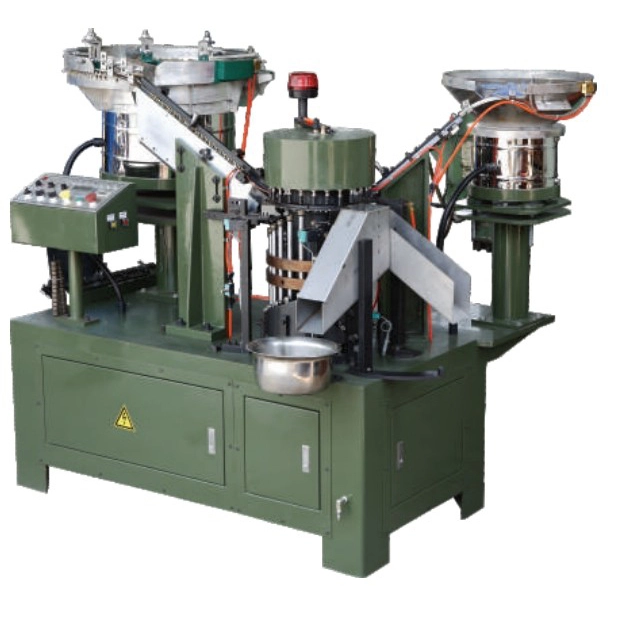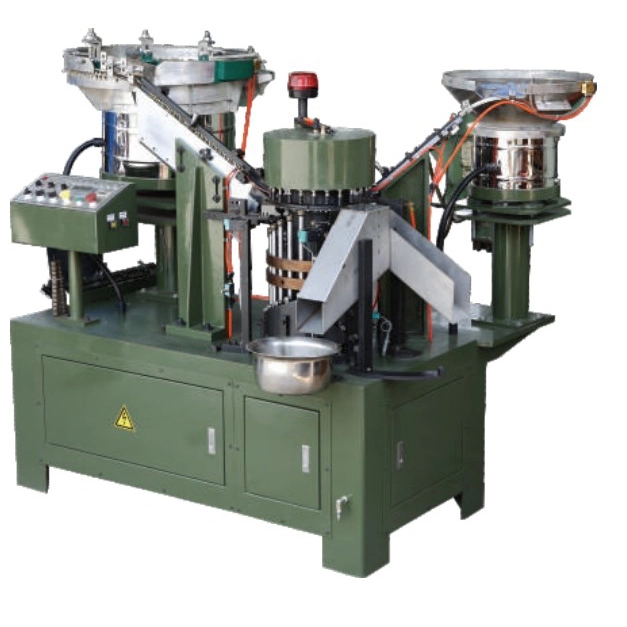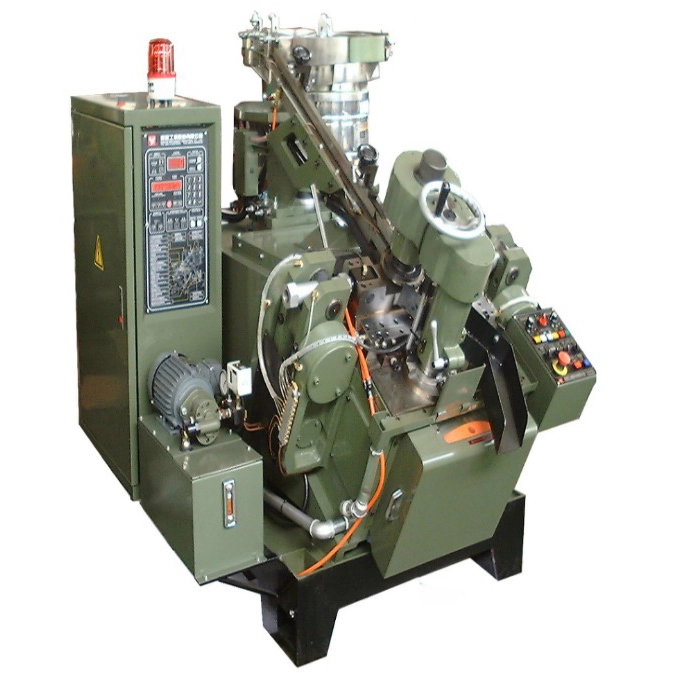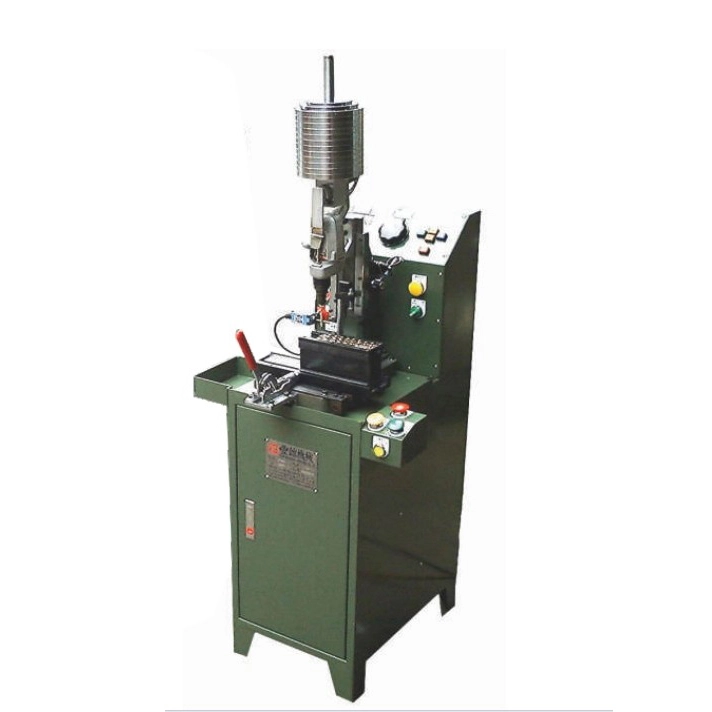

Abstract · This article provides a detailed technical examination of the Automatic Screw Thread Rolling Machine, exploring its operating principles, mechanical configurations, and the metallurgical advantages of thread rolling over traditional cutting methods. The discussion covers flat die and cylindrical die systems, material formability requirements, production parameters, and quality control considerations essential for high-volume fastener manufacturing.
01. Fundamental Principles of Thread Rolling
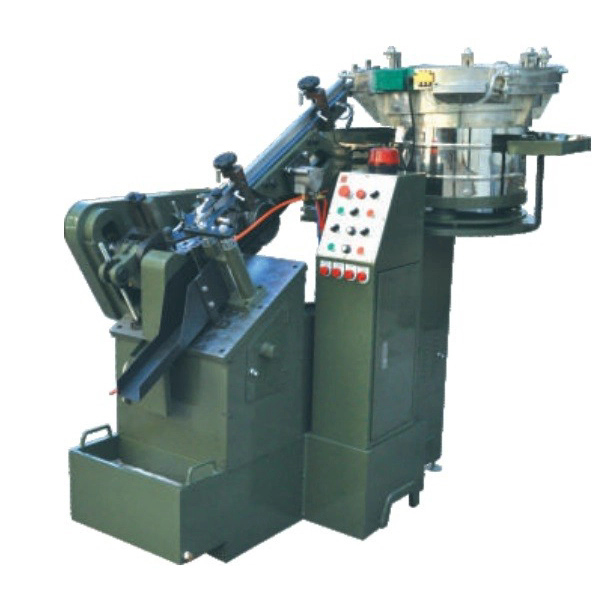
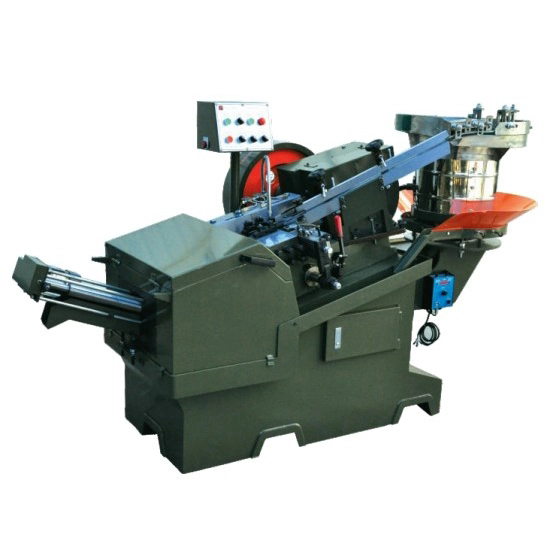
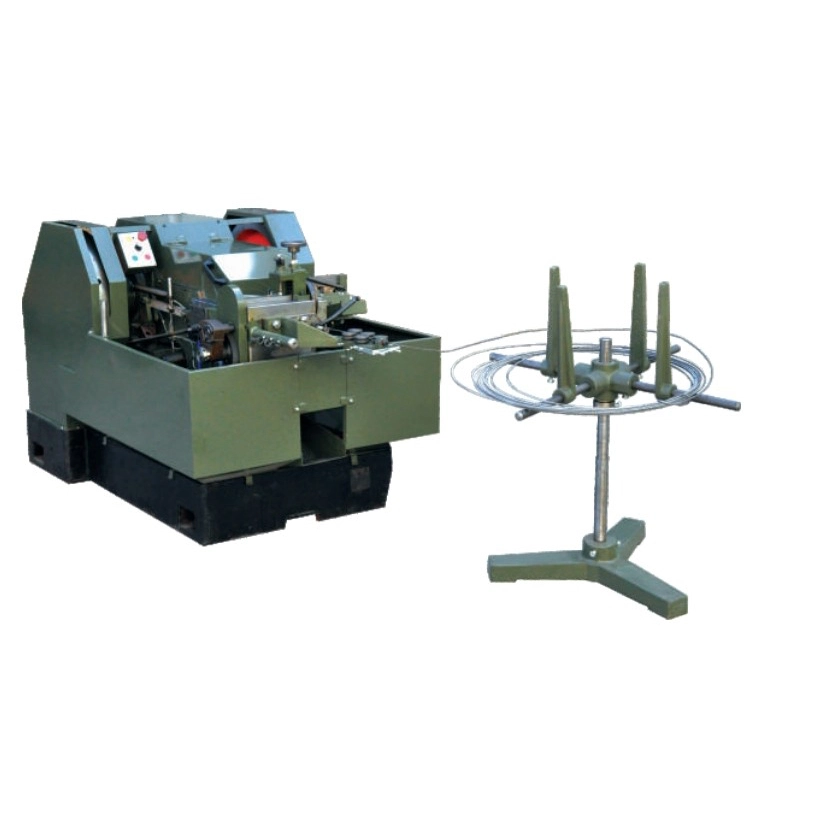
An Automatic Screw Thread Rolling Machine operates on the principle of cold forming, a process fundamentally different from thread cutting. Instead of removing material to create threads, thread rolling displaces material through controlled plastic deformation. The workpiece is placed between two dies—either flat or cylindrical—that contain the negative impression of the desired thread profile.
As the dies move relative to each other, they penetrate the surface of the blank, forcing the material to flow and fill the die cavities. This cold working process refines the grain structure of the material, aligning the grain flow with the thread contour rather than cutting across it. The result is a thread with superior mechanical properties, including increased tensile strength, fatigue resistance, and surface hardness. The process also generates no chips or swarf, eliminating material waste and reducing the need for chip handling and disposal systems.
Cold forming (plastic deformation)
Flat dies or cylindrical dies
No material removal, improved grain flow
02. Flat Die vs. Cylindrical Die Systems
Two flat rectangular dies; one stationary, one reciprocating. Suitable for a wide range of screw sizes and high-volume production.
Two or three rotating cylindrical dies. Ideal for longer threads and applications where roundness and concentricity are critical.
Through-feed for long threads; in-feed for shorter threads and shoulders.
Flat die machines can produce hundreds of parts per minute; cylindrical die machines are generally slower but offer higher precision.
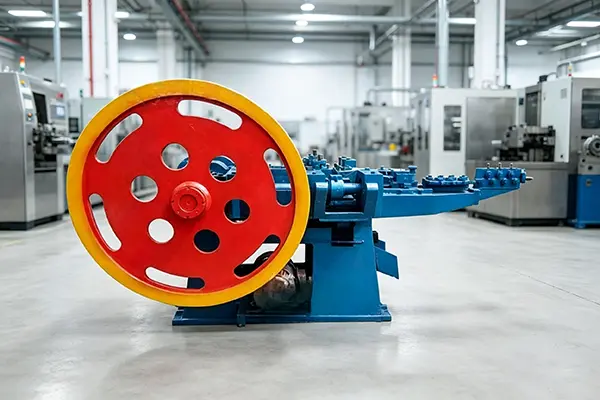
The choice between flat die and cylindrical die systems depends on the specific application requirements. Flat die machines are the workhorse of the fastener industry, capable of producing standard screws, bolts, and studs at very high speeds. Cylindrical die machines, also known as rotary thread rolling machines, are used for more specialized applications, including long threaded rods, ball screws, and components requiring exceptional roundness and surface finish.
03. Material Requirements and Formability
The Automatic Screw Thread Rolling Machine requires workpiece materials that possess sufficient ductility to undergo plastic deformation without cracking. The formability of the material is a critical factor in determining whether a part can be successfully thread rolled.
- Low Carbon Steel: Excellent formability; commonly used for standard fasteners, screws, and bolts.
- Medium Carbon Steel: Good formability when properly annealed; used for higher-strength fasteners.
- Stainless Steel: Formability varies by grade; austenitic grades (304, 316) are generally rollable, while martensitic grades may require pre-heating or annealing.
- Brass and Copper Alloys: Excellent formability; commonly thread rolled for electrical and plumbing components.
- Aluminum Alloys: Good formability; used for lightweight fasteners in aerospace and automotive applications.
Material Note: The blank diameter for thread rolling is typically larger than the minor diameter but smaller than the major diameter of the finished thread. This allows the material to flow and fill the die cavities without overfilling or underfilling the thread profile.
04. Metallurgical Advantages of Rolled Threads
The Automatic Screw Thread Rolling Machine produces threads with metallurgical properties that are superior to those created by cutting. These advantages stem from the cold working nature of the process.
| Property | Rolled Threads | Cut Threads |
|---|---|---|
| Grain Flow | Continuous, follows thread contour | Interrupted, cut across grain |
| Tensile Strength | Increased (10–30%) | Base material strength |
| Fatigue Resistance | Significantly improved | Lower, due to stress concentrations |
| Surface Finish | Smooth, work-hardened | May have tool marks |
| Material Waste | None | Chips and swarf generated |
| Production Speed | Very high | Slower, multiple passes required |
Based on metallurgical principles of cold forming.
The continuous grain flow in rolled threads distributes stress more evenly, reducing the likelihood of fatigue failure. The work hardening that occurs during rolling also increases the surface hardness of the thread, improving wear resistance. These advantages make rolled threads the preferred choice for critical fasteners in automotive, aerospace, and structural applications.
05. Production Parameters and Efficiency Factors
The efficiency of an Automatic Screw Thread Rolling Machine is determined by a combination of machine specifications, tooling quality, and operating parameters. These factors must be carefully balanced to achieve optimal production rates and thread quality.
- Rolling Speed: The speed at which the dies move or rotate. Higher speeds increase production but may require more robust tooling and cooling systems.
- Die Pressure: The force applied by the dies to the workpiece. Insufficient pressure results in incomplete thread formation, while excessive pressure can cause cracking or die damage.
- Die Alignment: Precise alignment of the dies is critical for producing threads with correct pitch, lead, and angle.
- Lubrication: Proper lubrication reduces friction and heat generation, extending die life and improving thread surface finish.
- Blank Preparation: The diameter, chamfer, and surface condition of the blank must be carefully controlled to ensure consistent thread formation.
Modern automatic thread rolling machines incorporate features such as servo-driven feed systems, automatic lubrication, and in-process monitoring to maintain consistent quality at high production rates. These features reduce operator intervention and minimize downtime, contributing to overall manufacturing efficiency.
06. Quality Control and Dimensional Inspection
Quality control is an essential aspect of thread rolling production. The Automatic Screw Thread Rolling Machine must be monitored to ensure that the threads produced meet the required specifications for pitch diameter, major diameter, minor diameter, lead, and flank angle.
- Dimensional Inspection: Thread micrometers, ring gauges, and optical comparators are used to verify thread dimensions against standards such as ISO, DIN, and ANSI.
- Surface Finish Inspection: Visual inspection and profilometry are used to assess surface roughness and detect defects such as laps, seams, or cracks.
- Material Certification: Incoming material should be verified for chemical composition and mechanical properties to ensure it meets the requirements for thread rolling.
- Die Maintenance: Regular inspection and replacement of dies is essential for maintaining thread quality and preventing defects.
Quality Note: Statistical process control (SPC) is commonly employed in thread rolling production to monitor critical dimensions and detect process drift before it leads to out-of-specification parts. This proactive approach to quality management is essential for high-volume manufacturing.
Frequently Asked Questions
Technical specifications may vary by model and manufacturer. Always consult the product documentation for your specific application requirements.