
Stay updated on our latest exhibition appearances, new product launches, and company developments as we continue to expand our presence in international fastener and machinery markets.
In today's competitive fastener manufacturing industry, improving thread precision, production speed, and material utilization is essential for maintaining product quality and profitability. YWC provides advanced Automatic Screw Thread Rolling Machine solutions designed to help screw and bolt manufacturers achieve efficient, consistent, and high-quality thread production. By integrating chipless cold forming technology, automatic feeding, precision rolling dies, and intelligent PLC control, this equipment offers a reliable solution for modern industrial fastener production.
Article Summary: An automatic screw thread rolling machine forms threads through controlled cold extrusion rather than traditional metal-cutting processes. This technology helps preserve metal fiber integrity, improve thread strength, reduce material waste, and increase manufacturing efficiency. This article explores its working principle, technical specifications, major advantages, industrial applications, and key purchasing considerations for fastener manufacturers.
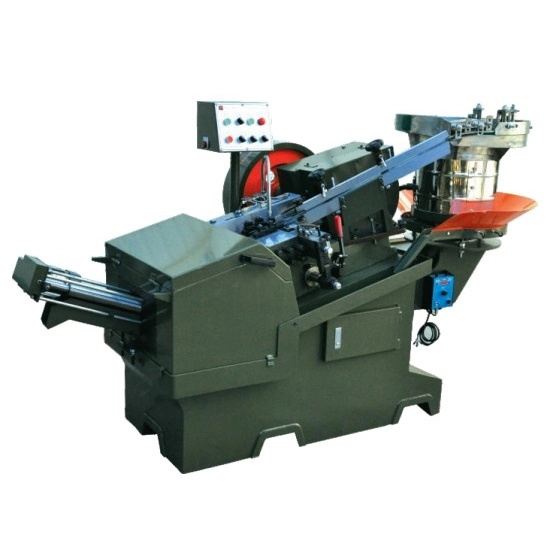
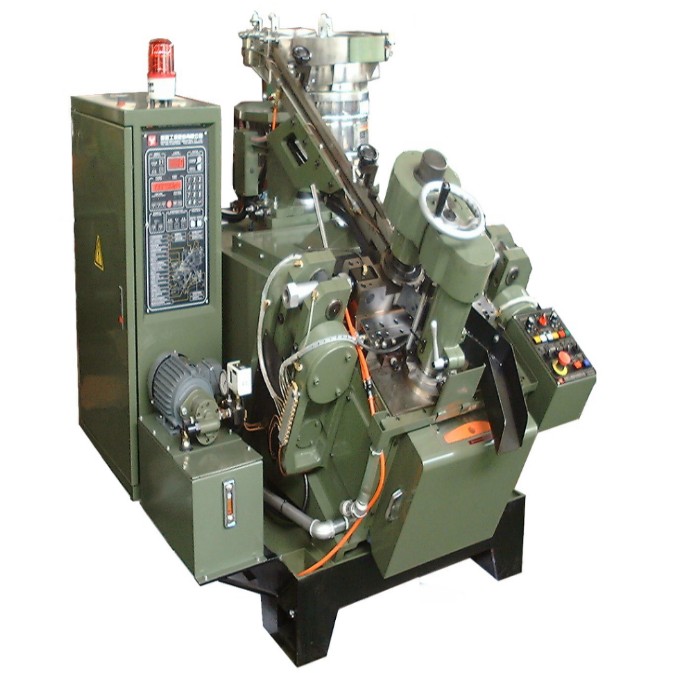
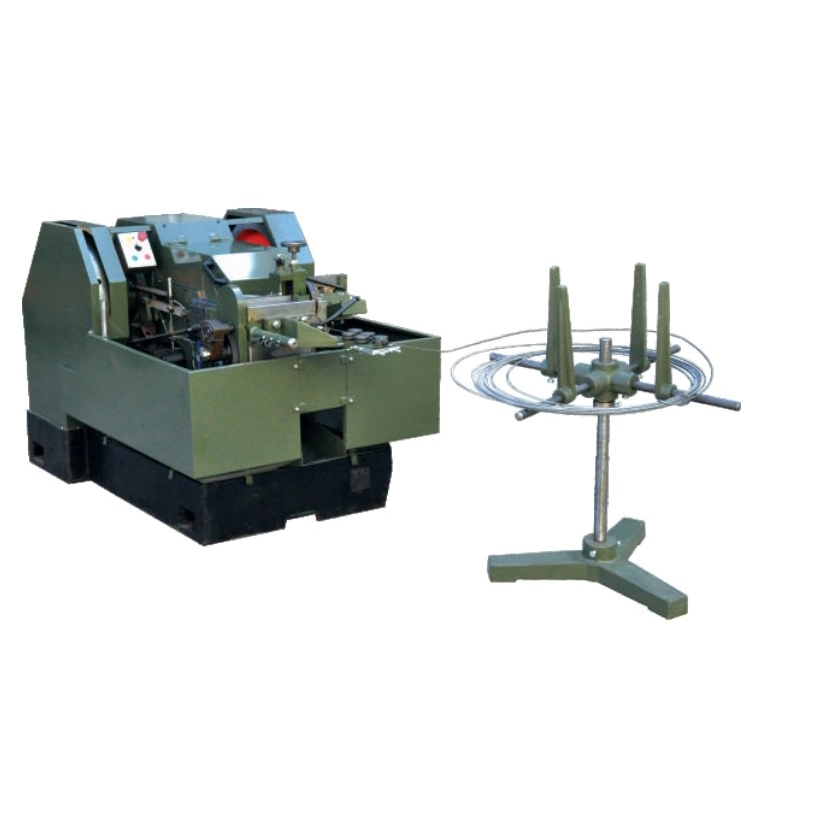
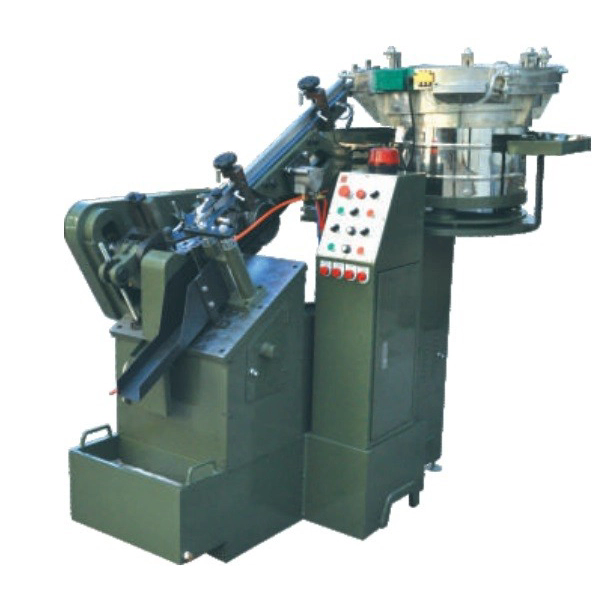
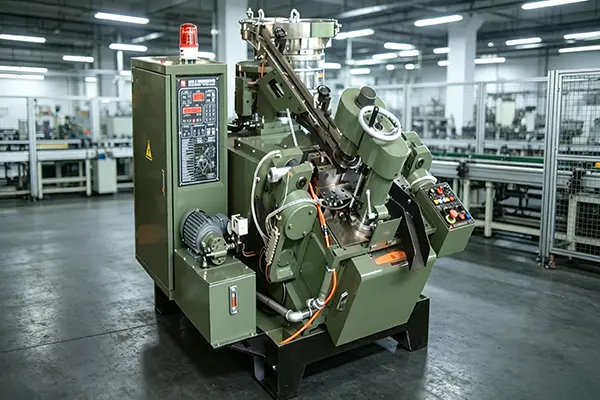
An automatic screw thread rolling machine is specialized industrial equipment used to manufacture external threads on screw blanks, bolts, and other metal fasteners. Instead of removing material through cutting tools, the machine uses hardened rolling dies to apply controlled pressure to the workpiece, forming threads through plastic deformation.
This manufacturing method is particularly valuable for factories producing large quantities of precision fasteners. It provides consistent thread profiles, improved mechanical properties, and efficient material utilization.
YWC's automatic screw thread rolling equipment is designed for mass production of standard screws, self-tapping screws, industrial bolts, and selected customized fasteners. Its integrated automation system supports automatic feeding, positioning, rolling, and discharging, reducing dependence on manual operations.
Unlike conventional thread-cutting equipment, this technology offers several important production benefits:
For manufacturers seeking to upgrade their screw production capabilities, investing in an automatic thread rolling machine can be an effective way to improve both manufacturing efficiency and finished fastener quality.
The working principle of an automatic screw thread rolling machine is based on metal cold extrusion and plastic deformation. During operation, cylindrical screw blanks pass through a precision rolling station where specially designed dies form the required external thread profile.
Before thread formation, screw blanks are typically produced through a cold heading process. The automatic feeding system sorts and transfers these blanks into the rolling station in a controlled sequence. This helps maintain stable positioning and continuous production.
The machine accurately positions each screw blank between the rolling dies. Proper alignment is essential because it directly affects thread dimensions, concentricity, and overall machining consistency.
Two sets of high-hardness alloy thread rolling dies operate in synchronized motion. Under controlled mechanical pressure, the dies compress the outer surface of the cylindrical blank, causing the metal to flow along the designed thread profile.
As the workpiece moves through the rolling area, the material forms complete thread teeth without cutting away excess metal. The resulting threads feature a smooth surface and consistent geometry.
After rolling, finished fasteners are automatically discharged for subsequent inspection or transfer to the next manufacturing process. Operators can evaluate thread dimensions, surface quality, and mechanical performance according to the applicable product specifications.
The complete production workflow can be summarized as follows:
This streamlined process makes automatic thread rolling suitable for manufacturers requiring stable output and repeatable production quality.
When evaluating an automatic screw thread rolling machine, buyers should examine its processing range, production speed, thread accuracy, control configuration, and material compatibility. These specifications determine whether the equipment can meet existing production requirements and future expansion plans.
The following table summarizes the principal specifications published for YWC's equipment. Actual configurations should be confirmed according to the selected machine model and production requirements.
| Parameter | Technical Specification |
|---|---|
| Brand | YWC |
| Equipment Name | Automatic Screw Thread Rolling Machine |
| Processing Principle | Cold extrusion and chipless plastic deformation |
| Applicable Specifications | M3-M6 standard screws, bolts, and self-tapping fasteners |
| Additional Processing Range | Selected configurations support M2-M20 fasteners |
| Applicable Materials | Iron, carbon steel, alloy steel, and stainless steel |
| Production Speed | 130-420 pieces per minute |
| Thread Precision | ISO/DIN/JIS standard requirements, stated tolerance ±0.01 mm |
| Automation Mode | Automatic feeding, rolling, and discharging |
| Core Configuration | High-hardness alloy dies and intelligent PLC control |
| Safety Configuration | Anti-jamming protection and overload safety protection |
One important purchasing consideration is the distinction between the standard listed processing range and the broader range available through selected configurations. Buyers should confirm the exact model, rolling die specifications, material requirements, and production speed before placing an order.
For additional equipment options, manufacturers can also explore YWC's Thread Rolling Machine solutions.
Thread rolling provides several manufacturing advantages compared with conventional thread-cutting methods. These benefits are particularly important for factories producing high volumes of fasteners where product consistency, material costs, and production efficiency directly influence profitability.
One of the most important advantages of cold thread rolling is its effect on metal structure. Because the process forms threads through plastic deformation rather than material removal, it helps maintain the continuity of the metal fiber structure.
Controlled cold forming can also create a hardened surface layer and improve the mechanical performance of the thread area. Properly designed and processed rolled threads can offer improved resistance to tensile loading, wear, and fatigue compared with conventional cut threads.
According to YWC's product information, its rolled threads can achieve strength improvements of more than 20% compared with traditional cut threads under applicable processing conditions. Actual performance depends on the material, thread geometry, and testing method.
Automatic feeding, positioning, rolling, and discharging reduce the need for repetitive manual operations. With a stated production speed of 130-420 pieces per minute, YWC's equipment is designed to support high-volume fastener manufacturing.
Automated operation also helps maintain more consistent production cycles, making it easier for manufacturers to organize production schedules and meet large-volume customer orders.
Traditional thread cutting removes metal to create thread grooves, producing chips and reducing material utilization. In comparison, thread rolling redistributes the existing metal through controlled deformation.
This chipless processing method can significantly reduce material waste, especially when manufacturing fasteners from higher-cost materials such as stainless steel and alloy steel.
Precision rolling dies help maintain uniform thread dimensions and tooth profiles across production batches. The process reduces common problems associated with inconsistent cutting operations, including burrs, uneven tooth shapes, and damaged thread surfaces.
The PLC control system supports automatic operation, fault alarms, and safety protection. Operators can monitor the production process and manage equipment settings rather than manually handling every workpiece.
These features make an automatic screw thread rolling machine a practical investment for manufacturers aiming to build more standardized and intelligent production facilities.
Material compatibility is a critical factor when selecting thread rolling equipment. Different metals have different hardness levels, ductility, and deformation characteristics. Therefore, the rolling process must be matched to the material and finished fastener requirements.
Before processing a new material, manufacturers should verify its hardness, ductility, blank dimensions, and compatibility with the selected rolling dies.
YWC thread rolling equipment can support fastener production for a variety of industrial sectors.
| Industry | Typical Fastener Products | Key Production Requirements |
|---|---|---|
| Automotive Manufacturing | Automotive bolts and anti-rust screws | Consistent thread quality and mechanical reliability |
| Construction Hardware | Structural screws and industrial bolts | Strength and dimensional consistency |
| Furniture Manufacturing | Furniture screws and assembly fasteners | Stable mass production and uniform threads |
| 3C Electronics | Micro screws and precision fasteners | Accurate dimensions and smooth thread surfaces |
| Mechanical Equipment | Machine bolts and specialized fasteners | Reliable mechanical performance |
| Precision Hardware | Customized industrial screws | Repeatable processing accuracy |
For manufacturers serving multiple industries, flexible rolling die configurations can help accommodate different thread profiles and production specifications. The required compatibility should always be verified with the equipment supplier.
An automatic screw thread rolling machine is an important component of a complete fastener manufacturing system. It typically operates after the screw cold heading stage, transforming cylindrical blanks into threaded fasteners ready for subsequent processing.
A typical screw manufacturing workflow may include:
Integrating automatic thread rolling equipment into this workflow helps reduce production bottlenecks and improve process consistency. When the upstream cold heading machine and downstream processing equipment are properly matched, manufacturers can establish a more efficient production system.
YWC also supplies related equipment, including Screw Cold Heading Machines and Self Drilling Screw Forming Machines, supporting different stages of screw manufacturing.
Choosing suitable thread rolling equipment requires more than comparing machine prices. Manufacturers should evaluate the relationship between product specifications, production capacity, material characteristics, and long-term operating costs.
The following factors can help buyers make a more informed decision.
Identify the required screw diameter, thread pitch, thread length, blank dimensions, and thread standards. Ensure that the selected machine can accommodate the intended fastener range.
Calculate the actual daily and monthly production targets. A machine's maximum rated speed should not be treated as its guaranteed output under every operating condition. Consider setup time, material feeding stability, die replacement, and production interruptions.
Different materials require suitable rolling pressure, die configurations, and process parameters. Ask the manufacturer to confirm compatibility with the actual raw materials used in your factory.
Look for practical functions such as PLC control, automatic feeding, fault alarms, anti-jamming protection, and overload protection. These features can improve production stability and reduce operational risks.
Rolling dies, lubrication systems, and mechanical components require regular inspection. Before purchasing, understand the maintenance schedule, spare parts availability, installation requirements, and technical support arrangements.
Buyer Checklist:
A detailed technical discussion before purchasing helps ensure that the selected automatic bolt thread rolling machine matches the factory's real production requirements.
Reliable equipment performance depends on more than the machine's basic design. Manufacturing quality, component selection, assembly precision, and commissioning procedures all influence long-term production stability.
When evaluating an equipment manufacturer, buyers should pay attention to the following areas of Manufacturing Quality & Engineering Assurance:
Manufacturers should also request relevant equipment documentation, technical specifications, operating instructions, and inspection information before shipment. Where possible, sample production and acceptance testing can help verify whether the machine meets the buyer's requirements.
YWC focuses on fastener manufacturing machinery and related production equipment, providing solutions for manufacturers seeking to improve their screw production processes.
An automatic screw thread rolling machine forms external threads on cylindrical screw blanks through cold extrusion. It uses precision rolling dies to deform the metal surface into the required thread profile without removing material through cutting.
Thread rolling forms threads through plastic deformation, while thread cutting removes metal using cutting tools. Rolling helps preserve metal fiber continuity, reduces chip waste, and can improve thread strength and surface characteristics. Thread cutting remains useful for certain materials, geometries, and low-volume or specialized applications.
According to YWC's published specifications, the equipment has a production speed of approximately 130-420 pieces per minute. Actual output depends on the screw dimensions, material, rolling die configuration, and operating conditions.
The published standard specifications list M3-M6 screws, bolts, and self-tapping fasteners. YWC also describes selected configurations supporting a broader M2-M20 processing range. Buyers should confirm the exact machine model and tooling compatibility before ordering.
Commonly processed materials include iron, carbon steel, alloy steel, and stainless steel. However, material hardness and ductility must be considered to determine whether a particular workpiece can be successfully roll-formed.
The equipment integrates automatic feeding, positioning, rolling, and discharging. Its PLC control system supports automated production, reducing the need for continuous manual handling. Operators are still required for setup, monitoring, maintenance, and quality inspection.
Thread rolling avoids the metal chips generated by conventional cutting, improves material utilization, and supports high-speed automated production. It can also reduce labor requirements and improve production consistency, contributing to lower overall manufacturing costs.
Buyers should provide screw drawings or samples, diameter and thread specifications, raw material information, target production speed, and expected output. These details help the manufacturer recommend an appropriate machine configuration and rolling die solution.
An automatic screw thread rolling machine is an essential investment for fastener manufacturers seeking higher production efficiency, reliable thread quality, and better material utilization. Through chipless cold forming, precision alloy dies, and automated control, this technology offers significant advantages over conventional thread-cutting methods for suitable fastener applications.
YWC provides automatic screw thread rolling equipment designed to support the production of screws, bolts, self-tapping fasteners, and other industrial hardware. With features such as automatic feeding, high-speed rolling, PLC control, and precision thread forming, its solutions can help manufacturers improve production consistency and strengthen their manufacturing capabilities. If you are planning to upgrade your fastener production line or looking for a suitable thread rolling solution, contact us today. Share your product drawings, material specifications, and production targets with the YWC team to receive professional equipment recommendations and a customized manufacturing solution.