
Stay updated on our latest exhibition appearances, new product launches, and company developments as we continue to expand our presence in international fastener and machinery markets.
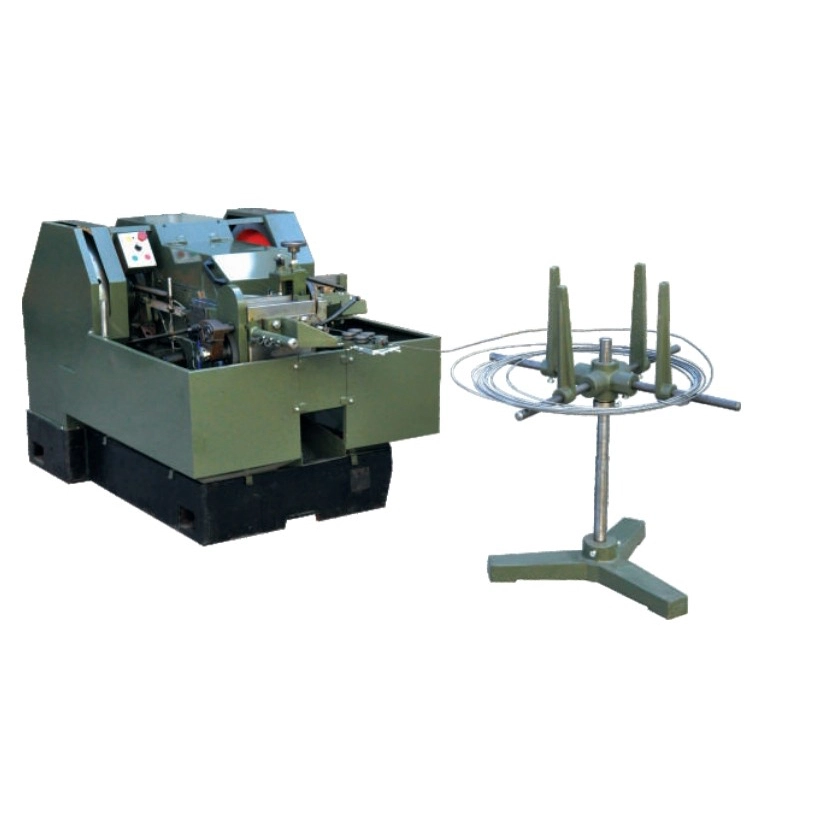
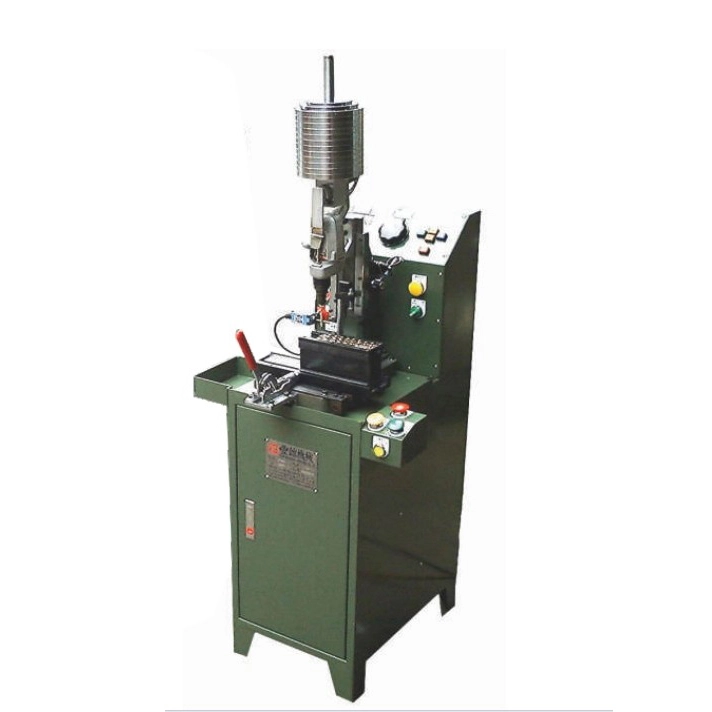
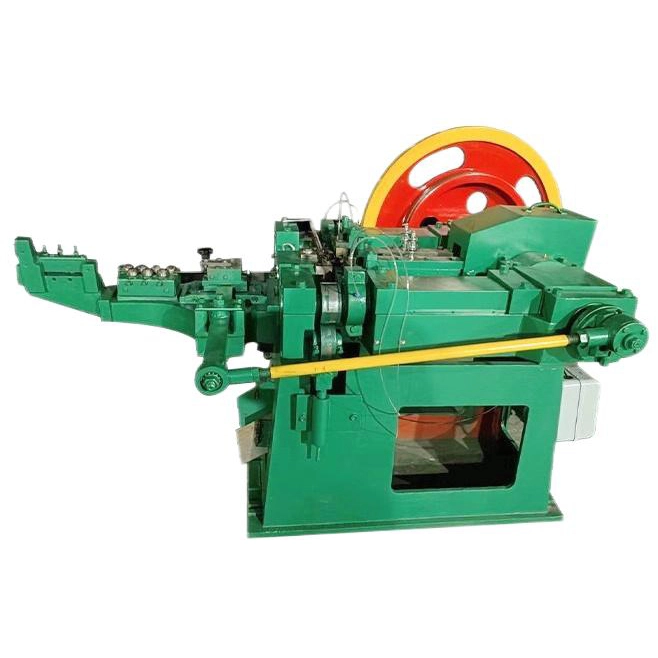
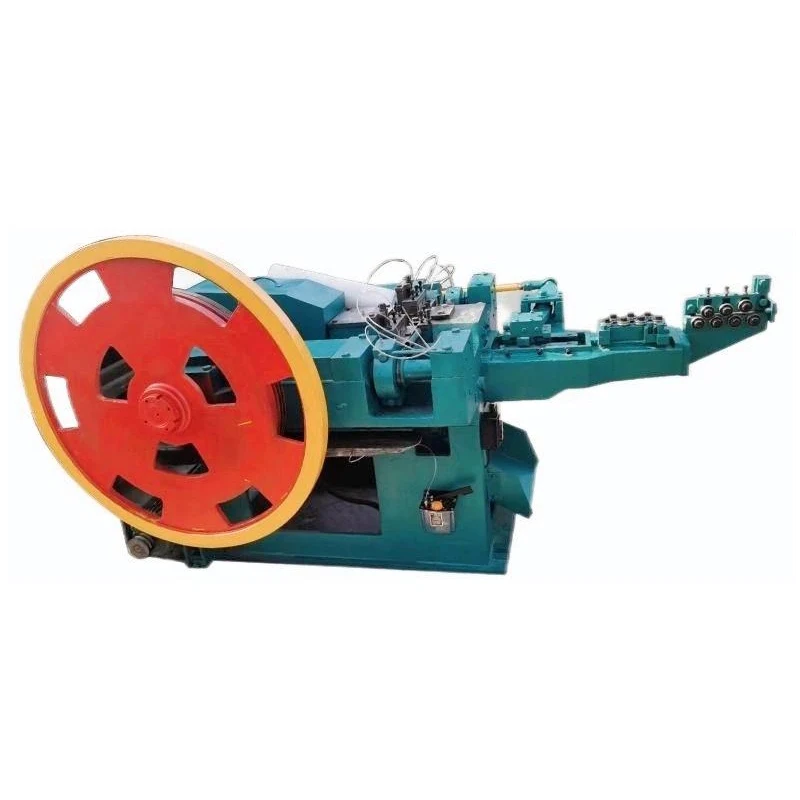
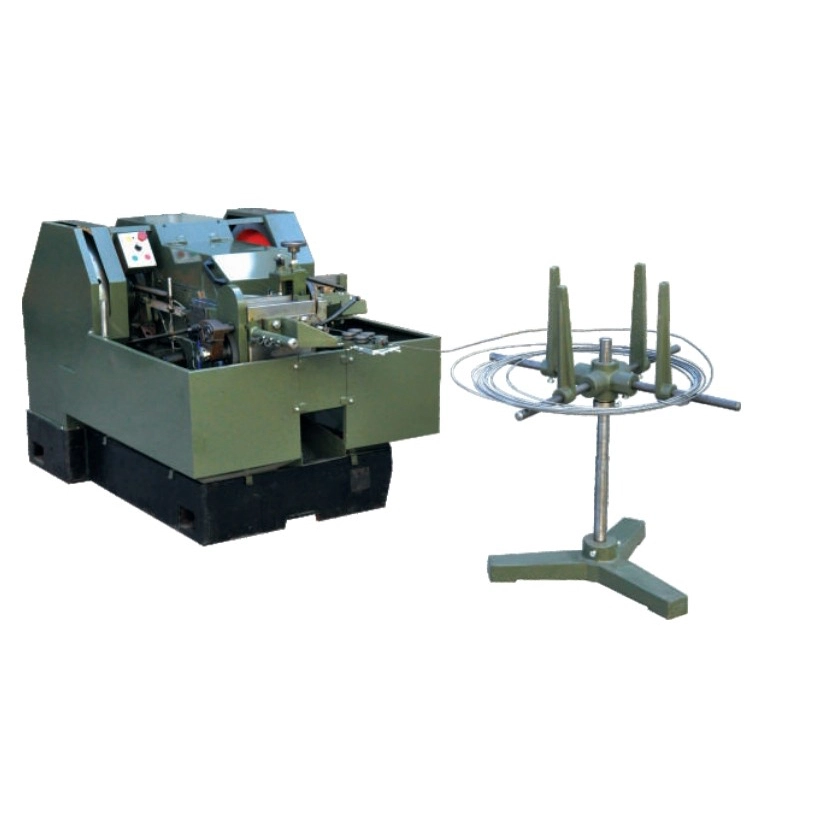
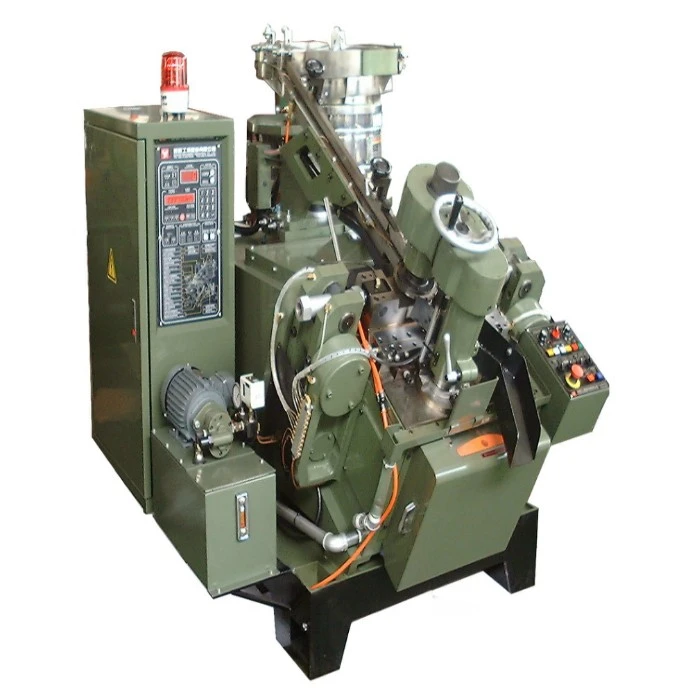
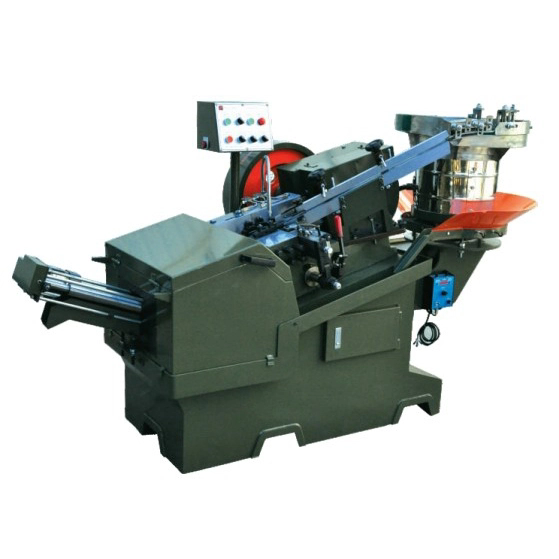
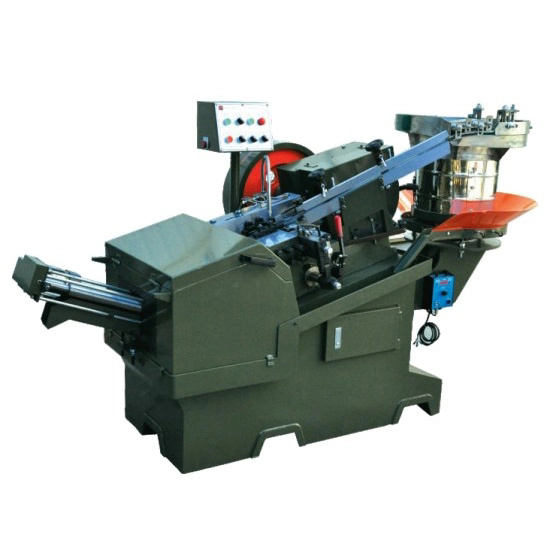
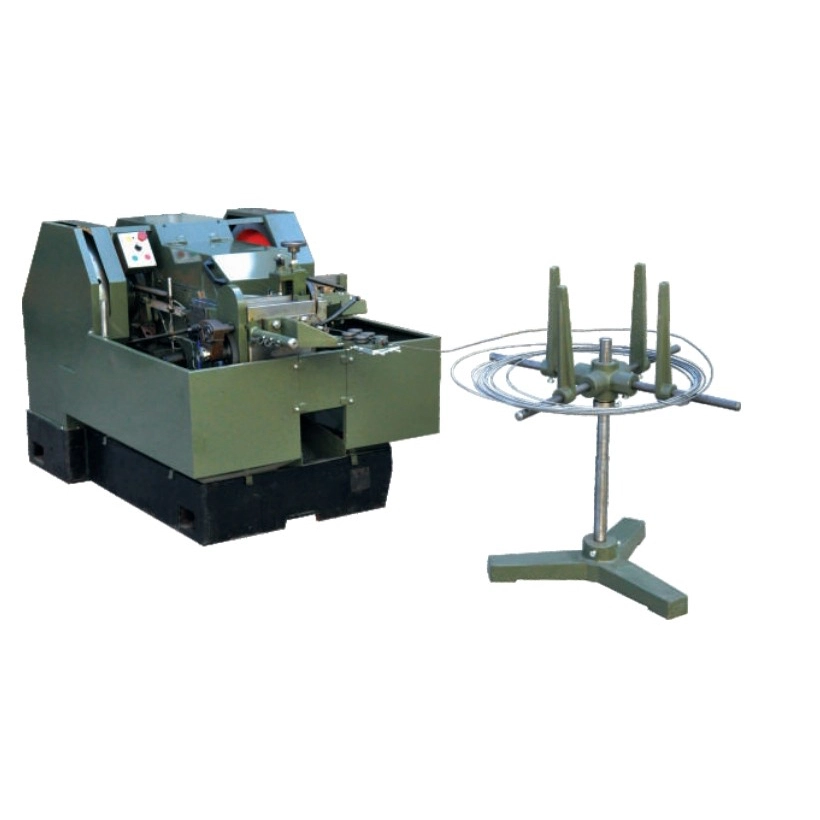
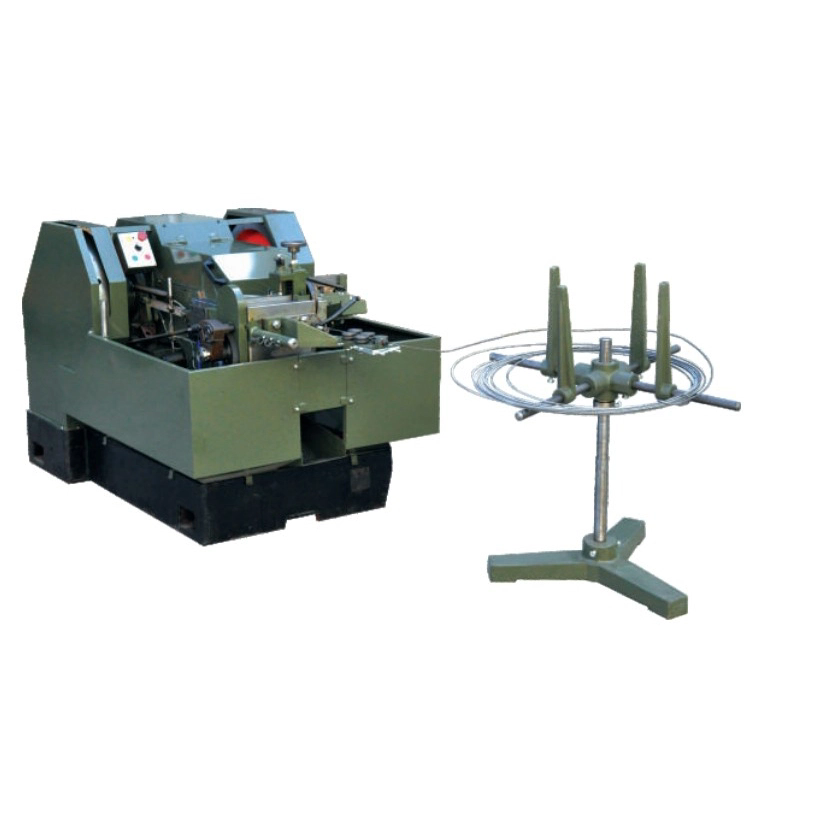
YWC provides the Automatic Corrugated Fastener Making Machine for manufacturers seeking consistent product quality, streamlined forming processes, and efficient batch production. Designed for corrugated fasteners used in woodworking, furniture assembly, and construction-related applications, this automated equipment helps businesses improve manufacturing consistency while reducing dependence on manual operations.
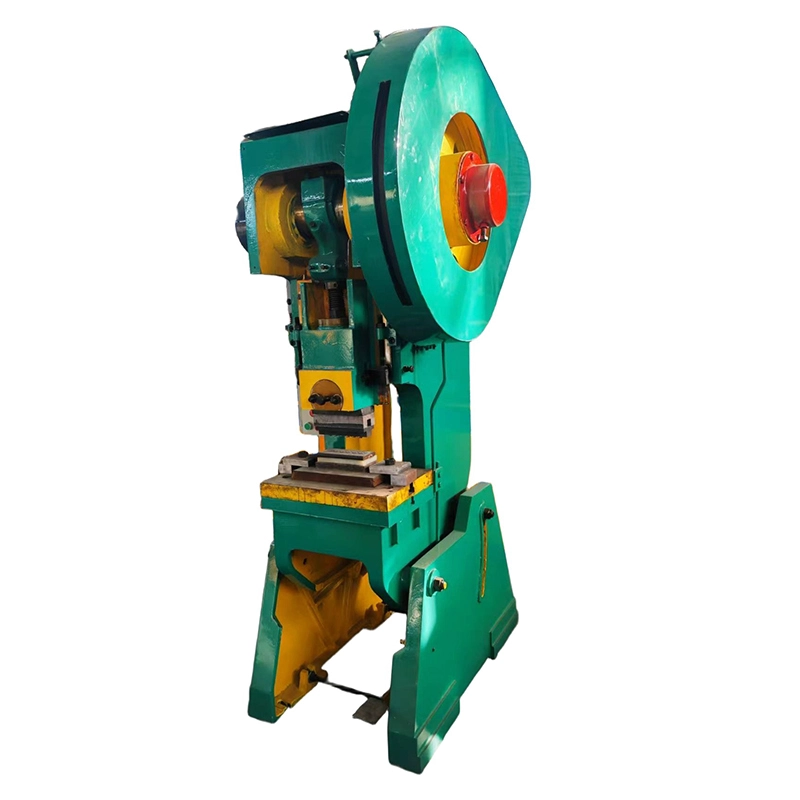
An Automatic Corrugated Fastener Making Machine is specialized industrial equipment designed to manufacture wave-shaped metal fasteners with consistent dimensions and forming profiles. By integrating material feeding, forming, cutting, and finished-product discharge into a coordinated production process, the machine helps fastener manufacturers improve workflow efficiency and maintain more uniform product quality. This article explains its working principle, major advantages, application areas, selection criteria, and maintenance requirements. It also outlines the practical considerations buyers should evaluate when choosing corrugated fastener production equipment for their factories.
1. What Is an Automatic Corrugated Fastener Making Machine?
3. What Are the Main Advantages?
4. Which Industries Use Corrugated Fasteners?
5. Which Technical Specifications Should Buyers Compare?
6. How to Choose the Right Machine
7. Maintenance Tips for Reliable Production
An Automatic Corrugated Fastener Making Machine is a specialized metal-forming system developed to produce corrugated fasteners, also known as wave fasteners. Unlike conventional nail-making equipment designed primarily for straight nails, this machinery is configured to create a distinctive wavy profile that helps fasteners grip and connect compatible materials.
Corrugated fasteners are commonly used in woodworking and related manufacturing applications where two wooden components or panels need a practical joining solution. Their performance depends on factors such as material properties, corrugation geometry, insertion depth, and the characteristics of the workpieces.
For fastener manufacturers, the production challenge is to maintain consistent dimensions and forming quality across large batches. Manual or poorly coordinated production processes can introduce variation in shape, cutting length, and finished-product appearance. Automated forming equipment helps address these issues by coordinating production steps and reducing unnecessary manual handling.
YWC's Automatic Corrugated Fastener Making Machine is designed for standardized processing and batch manufacturing. Its automated workflow supports manufacturers looking to improve production organization and establish a more repeatable manufacturing process.
The machine operates through a coordinated sequence of material handling and forming operations. Exact configurations depend on the equipment design, tooling, raw material, and required fastener specifications. A typical production workflow includes the following stages.
Suitable metal wire or strip is supplied to the feeding mechanism according to the machine's specified material requirements. Stable feeding is important because variations in material alignment or feed length can affect the subsequent forming process.
Where the machine configuration includes straightening equipment, the incoming material is guided into the required alignment before forming. Correct positioning helps reduce material deviation and supports consistent processing throughout a production run.
Dedicated forming components or customized dies shape the metal into the required wave profile. Tooling geometry plays an important role in determining corrugation depth, curvature, tooth spacing, and overall dimensions.
The formed material is cut to the required length. Depending on the machine configuration, additional operations may be incorporated into the production cycle. Cutting accuracy and tool condition should be checked to minimize burrs, dimensional variation, and unnecessary material waste.
Finished fasteners are discharged for collection and quality inspection. Manufacturers should verify dimensions, forming consistency, surface condition, and suitability for the intended joining application before releasing products for shipment.
Important consideration: Buyers should confirm the exact process configuration, tooling arrangement, and included functions with the manufacturer before placing an order.
Automating repetitive feeding and forming operations can reduce the amount of manual handling required between production stages. A coordinated workflow also helps manufacturers organize larger production batches and reduce avoidable interruptions caused by disconnected processes.
Actual output depends on the machine model, material characteristics, fastener dimensions, tooling, operating settings, and required inspection procedures. Buyers should evaluate demonstrated production performance rather than relying on general descriptions of high speed.
Consistent corrugation geometry is essential for producing fasteners that fit their intended applications. Properly maintained forming dies and stable material positioning can help control wave shape, tooth spacing, and finished dimensions.
Repeatable forming also simplifies downstream inspection. Manufacturers can establish defined quality checkpoints and identify deviations before they affect a large batch.
Automation can reduce repetitive operator involvement during normal production. Employees can focus more on machine monitoring, quality checks, material preparation, and preventive maintenance.
Labor savings will vary according to the existing production line, staffing arrangements, operating hours, and degree of automation. A realistic investment assessment should compare the complete production workflow before and after installation.
Manufacturers serving different customers may need to produce fasteners in multiple sizes or wave profiles. Equipment designed to accommodate interchangeable dies and adjustable operating parameters can help support these requirements.
However, not every machine can process every fastener specification. Confirm the available tooling options, adjustment range, changeover procedure, and compatibility with the intended material before purchasing.
Automated production may improve cost control by reducing repetitive labor, limiting avoidable defects, and making production planning more predictable. These benefits are most meaningful when the equipment is matched to actual demand and operated with suitable maintenance procedures.
For a useful investment comparison, assess equipment price alongside tooling costs, electricity consumption, operator requirements, maintenance expenses, spare parts, and expected production volume.
Corrugated fasteners are used in applications that require suitable joining of compatible wooden components. The finished fastener's dimensions, material, and profile must match the requirements of the application.
Before selecting a fastener design, manufacturers should consider the substrate material, required holding performance, installation method, environmental conditions, and applicable product standards. Corrugated fasteners are not a universal replacement for screws, nails, or structural connectors.
Technical evaluation is essential when purchasing an Automatic Corrugated Fastener Making Machine. Buyers should compare the equipment against their actual production requirements instead of selecting a model based on price alone.
| Evaluation Item | What to Check | Why It Matters |
|---|---|---|
| Fastener specifications | Required length, width, thickness, and wave profile | Determines whether the equipment can produce the intended product range. |
| Raw material compatibility | Material type, thickness or wire diameter, and mechanical properties | Helps ensure reliable feeding and forming performance. |
| Production capacity | Verified output under specified operating conditions | Supports production planning and delivery commitments. |
| Forming accuracy | Dimensional tolerances and corrugation consistency | Helps maintain product conformity across batches. |
| Automation functions | Feeding, forming, cutting, discharge, and available controls | Clarifies the machine's actual automation level. |
| Tooling configuration | Included dies, optional tooling, and changeover requirements | Affects product flexibility and operating costs. |
| Power and installation | Electrical supply, floor space, foundation, and operating environment | Helps prevent installation delays and unexpected site costs. |
| After-sales support | Installation guidance, training, spare parts, and maintenance assistance | Supports stable long-term operation. |
Note: The table is a purchasing checklist, not a statement of confirmed machine specifications. Request the latest technical datasheet and written confirmation from YWC for model-specific output, power requirements, dimensions, tolerances, and supported material ranges.
Selecting production equipment starts with a clear understanding of the products the factory needs to manufacture. A machine that suits one standard fastener may not be appropriate for a business handling multiple sizes, materials, and customer requirements.
Prepare drawings or samples of the intended corrugated fasteners. Document critical dimensions, wave geometry, material type, thickness, and any special requirements. This information enables the supplier to assess tooling compatibility and identify potential limitations.
Estimate average monthly demand, peak-season orders, expected operating shifts, and future capacity requirements. Ask the manufacturer to clarify the rated output and the output achievable under your actual product specifications.
For planning purposes, distinguish between theoretical machine speed and saleable output after setup, inspection, changeovers, maintenance, and production interruptions.
When several fastener specifications are required, tooling availability becomes a major purchasing factor. Confirm which dies are included, how long changeovers typically take, whether special tooling must be purchased separately, and how replacement components are supplied.
Ask how the manufacturer checks machine alignment, forming consistency, and operating stability before shipment. If possible, arrange a production demonstration using representative material and target fastener specifications.
Agree on practical acceptance criteria, including sample dimensions, surface condition, operating stability, and output measurement conditions.
A lower purchase price does not necessarily translate into lower operating costs. Consider the complete cost of ownership, including:
Comparing these factors helps purchasing teams make decisions based on long-term production value rather than the initial quotation alone.
Routine maintenance is essential for preserving forming accuracy, reducing unexpected downtime, and extending the service life of production equipment. The manufacturer's operating manual should always take priority over general maintenance recommendations.
Consistent maintenance practices help operators identify developing issues before they cause extensive product defects or prolonged production stoppages.
An Automatic Corrugated Fastener Making Machine is designed to produce wave-shaped metal fasteners used in suitable woodworking, furniture assembly, packaging, and related applications. The available product sizes and profiles depend on the machine model, raw material compatibility, and forming dies. Buyers should confirm their required specifications with the supplier before ordering.
Automation coordinates repetitive feeding, forming, cutting, and discharge operations, reducing manual handling between stages. It can improve production consistency and workflow efficiency, although actual output and labor savings depend on the machine configuration, product specifications, operating conditions, and existing factory process.
Some machines can accommodate multiple specifications through suitable die changes and parameter adjustments. The supported range is model-dependent, so manufacturers should provide their product drawings or samples and confirm tooling availability, changeover requirements, and achievable forming accuracy before purchase.
Prepare the target fastener drawings or samples, material specifications, required production capacity, expected operating hours, electrical supply details, and destination country. These details help the supplier evaluate machine suitability, recommend the appropriate configuration, and provide a more accurate quotation.
Ask whether the quotation includes technical consultation, installation and commissioning guidance, operator training, operating documentation, spare-parts support, and maintenance assistance. YWC's product information describes pre-delivery inspection and support services; buyers should confirm the specific service scope, availability, costs, and delivery arrangements in the purchase agreement.
An Automatic Corrugated Fastener Making Machine can help fastener manufacturers establish a more organized, repeatable, and efficient production process. Its value depends on the compatibility between the equipment, forming dies, raw materials, target product specifications, and factory production goals. By evaluating technical requirements, verified output, tooling flexibility, maintenance needs, and after-sales support, buyers can make a more informed investment decision. YWC offers specialized fastener manufacturing equipment for businesses seeking practical automation solutions. If you are planning to upgrade your corrugated fastener production line or need a machine matched to your product specifications, contact us to discuss your requirements, request technical details, and explore a suitable production solution.