
Stay updated on our latest exhibition appearances, new product launches, and company developments as we continue to expand our presence in international fastener and machinery markets.
As demand for high-performance fasteners continues to grow across construction, automotive, photovoltaic, and metal fabrication industries, manufacturers need production equipment that delivers consistent precision, higher output, and lower operating costs. YWC, a professional fastener machinery manufacturer in China, provides the Automatic Self Drilling Screw Forming Machine to help screw manufacturers streamline production, improve drill-point accuracy, and achieve reliable large-scale manufacturing. By integrating automated material handling, precision forming technology, and intelligent control systems, this equipment offers an effective solution for businesses seeking to upgrade traditional screw production processes.
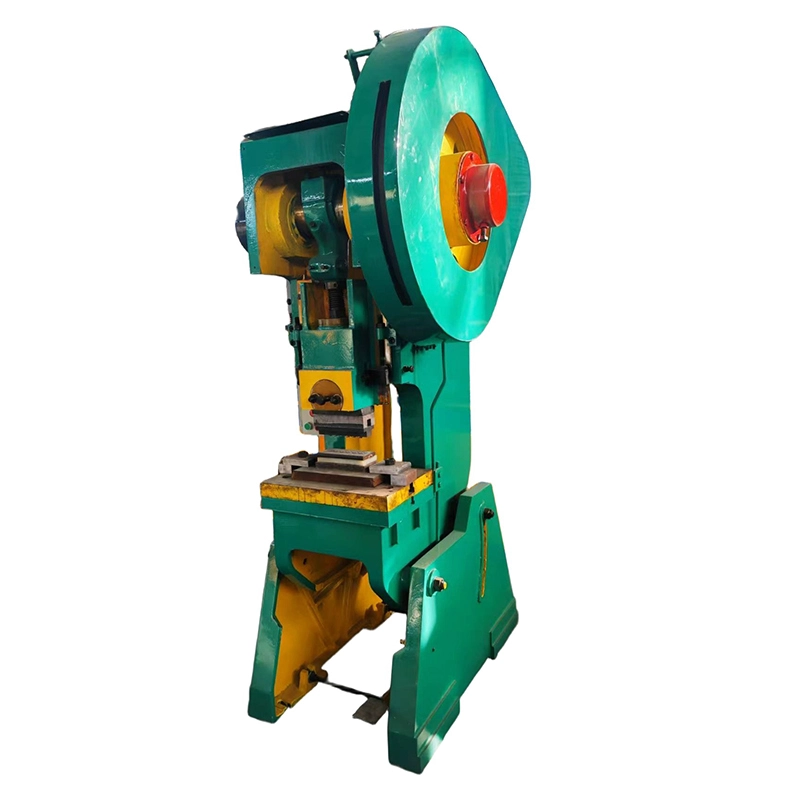
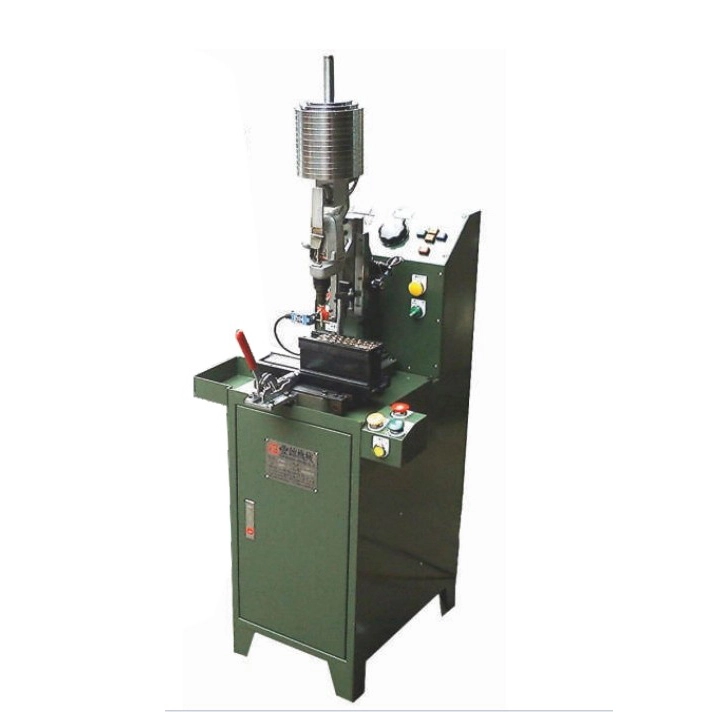
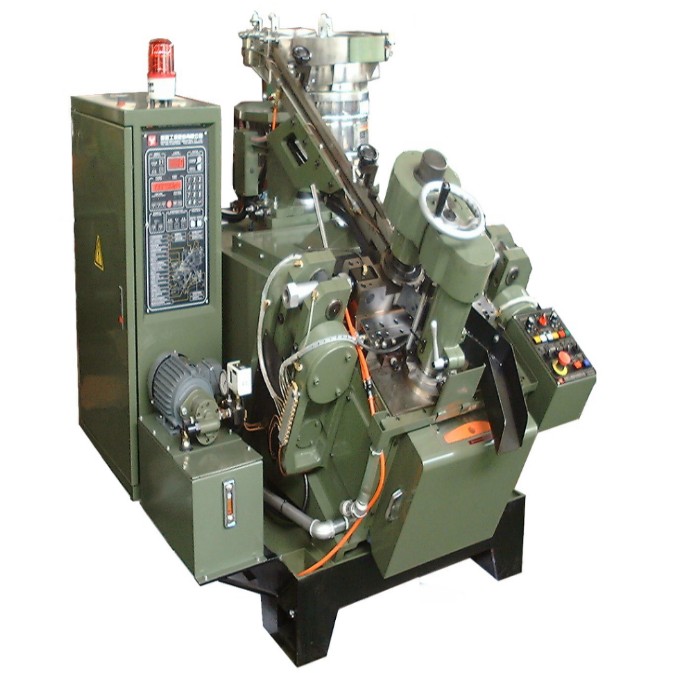
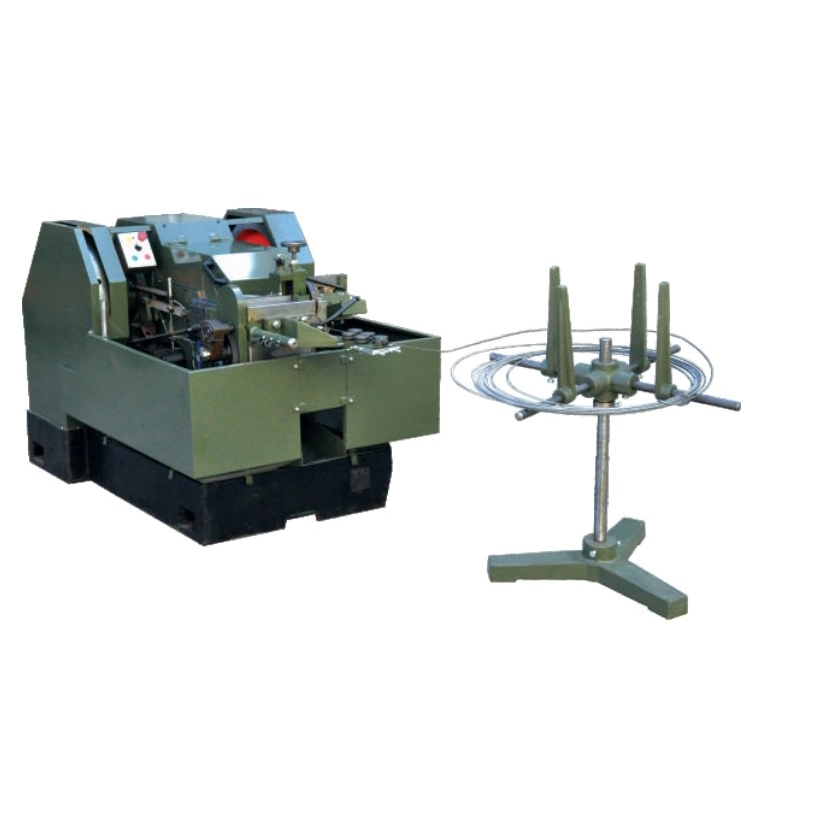
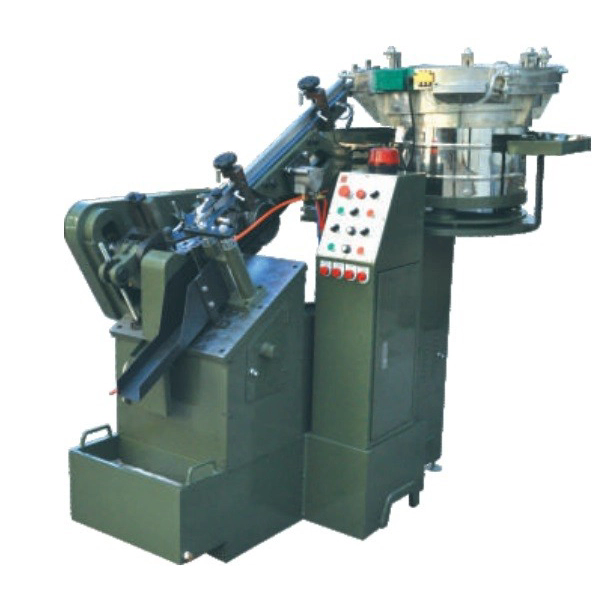
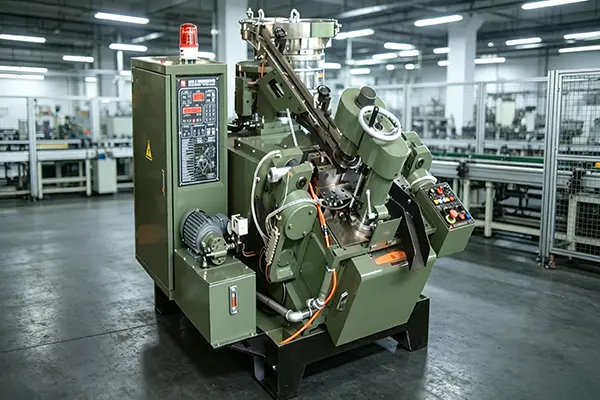
An Automatic Self Drilling Screw Forming Machine is specialized industrial equipment designed to manufacture self-drilling screws through automated feeding, positioning, cold forming, and related processing operations. Compared with conventional manual or separate-process production methods, modern automated equipment improves dimensional consistency, reduces labor dependence, and supports continuous manufacturing. This article explores its working principles, major advantages, applications, technical considerations, and purchasing factors to help fastener manufacturers select the right production solution.
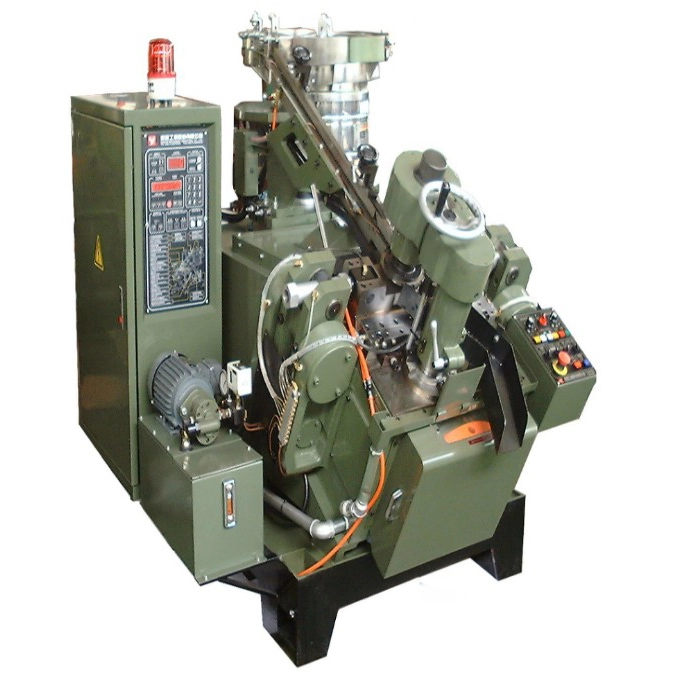
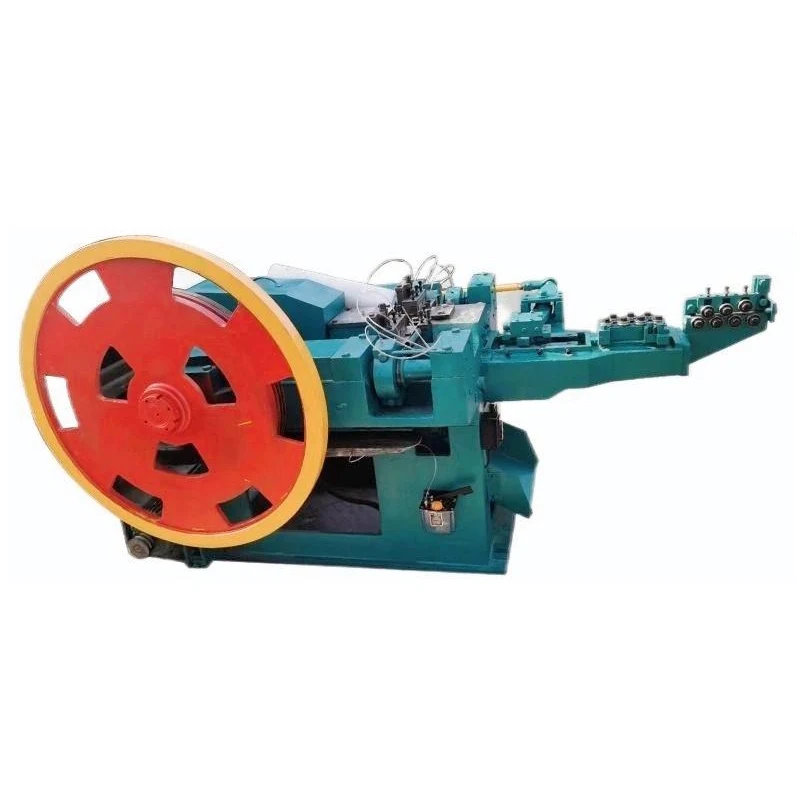
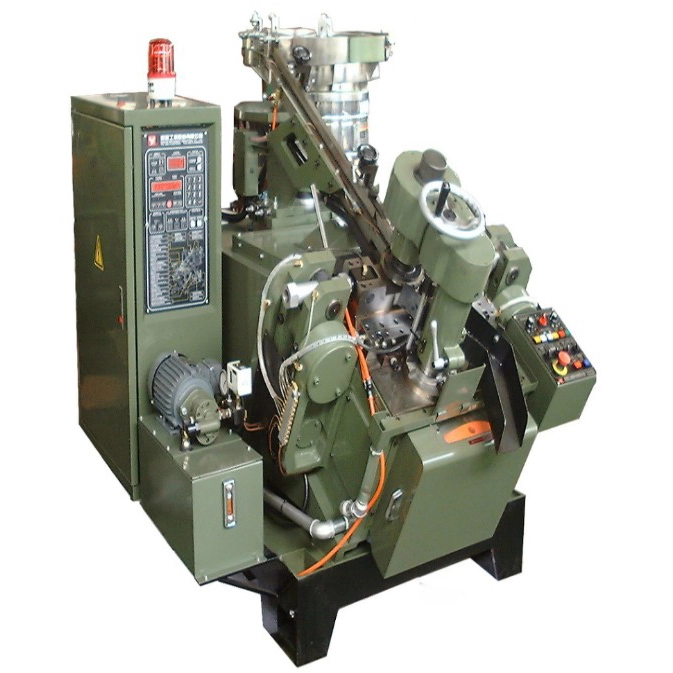
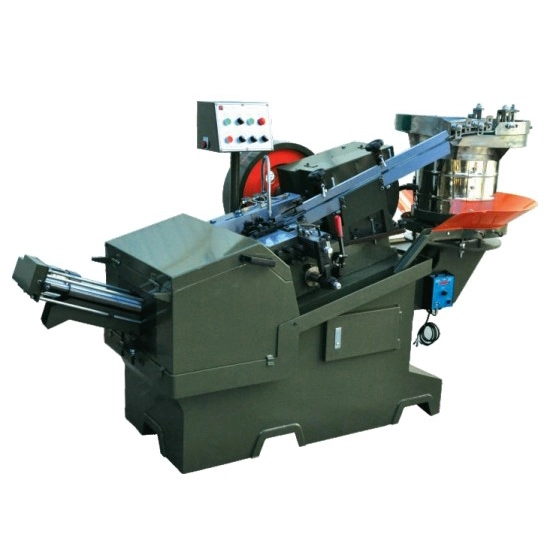
An Automatic Self Drilling Screw Forming Machine is specialized manufacturing equipment used to produce screws featuring integrated drilling points. Unlike ordinary screws, self-drilling screws have specially shaped drill tips that allow them to penetrate metal materials without requiring a separate pilot hole in suitable applications.
The machine uses controlled mechanical forming processes to create consistent drill-point structures while supporting integration with other screw manufacturing operations. Depending on the equipment configuration, automated production can include wire feeding, positioning, cold heading, drill-tail forming, thread rolling, and finished-product discharge.
YWC develops fastener manufacturing equipment designed to support standard and customized self-drilling screw production. Its automatic screw-making solutions are suitable for carbon steel, stainless steel, and alloy steel materials, helping manufacturers meet different industrial fastening requirements.
Common screw configurations include:
For manufacturers producing DIN 7504-type fasteners, dedicated drill-point forming equipment can also be integrated with cold heading and thread rolling machines to establish a coordinated production line.
The main objective of automated screw forming is to transform metal wire into accurately shaped fasteners through a controlled sequence of manufacturing operations. An integrated production system reduces unnecessary material handling and improves coordination between individual processes.
Metal wire is supplied to the production system through an automatic feeding mechanism. The feeding unit maintains a stable material supply and positions the wire according to the required screw dimensions. Accurate positioning is essential for maintaining dimensional consistency throughout subsequent operations.
Cold heading equipment forms the screw head and initial body structure by applying controlled mechanical pressure to the metal material. The process helps achieve repeatable head dimensions and reduces material waste compared with certain subtractive manufacturing methods.
The drill-point forming stage creates the specialized tapered cutting geometry at the screw tail. Dedicated forming dies help control the drill-point angle, shape, and dimensional accuracy. Consistent forming is important because an incorrectly shaped tip can negatively affect penetration performance and installation stability.
Thread rolling forms the required external thread profile through controlled pressure. Depending on the production configuration, additional processes such as deburring, washer assembly, surface treatment, and inspection may be arranged within the complete manufacturing workflow.
Finished screws are discharged for collection and subsequent inspection. Manufacturers can evaluate dimensional accuracy, thread consistency, drill-point geometry, surface condition, and mechanical performance according to their product specifications.
This coordinated workflow allows manufacturers to reduce manual handling and maintain more consistent production conditions.
Investing in an Automatic Self Drilling Screw Forming Machine is not simply about increasing production speed. It also helps manufacturers improve process control, product consistency, and long-term operating efficiency.
Automated feeding and continuous mechanical processing reduce the time spent on manual material handling. Certain integrated YWC screw-making configurations support adjustable production speeds of approximately 100–500 pieces per minute, depending on screw specifications, material characteristics, and operating conditions.
Precision dies and positioning systems help maintain consistent drill-point geometry and thread dimensions. Better process stability can reduce common defects such as irregular drill tips, uneven threads, burr formation, and dimensional deviations.
Automation reduces the number of manual operations required during normal production. Operators can focus more on equipment monitoring, quality inspection, and maintenance rather than repetitive material handling.
Stable forming conditions help minimize batch-to-batch variations. This is particularly important for fastener manufacturers supplying customers with strict dimensional and functional requirements.
Modern equipment can support multiple screw head styles and customized tooling solutions. Manufacturers can adjust production parameters and change forming dies to accommodate different product specifications.
Integrated production configurations reduce unnecessary transfers between independent processing stations. This can simplify factory layouts, improve material flow, and help manufacturers make better use of available workshop space.
Before purchasing an automatic screw forming system, manufacturers should evaluate its processing range, production capacity, power requirements, control configuration, and compatibility with existing equipment.
The following table summarizes representative technical information published for YWC's automatic self-drilling screw-making equipment. Actual specifications should be confirmed against the selected machine configuration.
| Technical Parameter | Reference Specification |
|---|---|
| Equipment Type | Automatic Self Drilling Screw Making Machine |
| Applicable Screw Sizes | M3–M6 |
| Screw Head Types | Hex Head, Pan Head, Countersunk Head |
| Production Speed | Approximately 100–500 PCS/min, adjustable |
| Main Motor Power | 5.5 kW |
| Total Connected Load | Approximately 7–8 kW |
| Typical Operating Power | Approximately 4–6 kW, depending on operating conditions |
| Applicable Materials | Carbon Steel, Stainless Steel, Alloy Steel |
| Control System | PLC Intelligent Control with Touchscreen Operation |
| Production Mode | Automatic Continuous Production |
These specifications provide a useful reference for preliminary equipment evaluation. Actual production speed, power consumption, and compatibility depend on material hardness, screw dimensions, tooling configuration, and production conditions.
For additional equipment options, manufacturers can explore YWC's screw making machine product range and self-drilling screw production line solutions.
Self-drilling screws are widely used in applications where efficient fastening to metal structures is required. Their integrated drilling tips simplify installation and reduce the need for separate drilling operations when material thickness and screw specifications are properly matched.
Steel structure manufacturers use self-drilling screws to connect metal components, support frames, and structural panels. Consistent drilling-point geometry helps achieve predictable installation performance.
Roofing screws are commonly used for fastening metal sheets to supporting structures. When combined with suitable waterproof washers, they help create reliable fastening connections for roofing systems.
Solar mounting installations often require large quantities of metal fasteners. Automated screw production helps suppliers maintain stable output and consistent product specifications for photovoltaic infrastructure projects.
Automotive hardware suppliers and industrial component manufacturers use specialized self-drilling fasteners in selected metal assembly applications. Reliable screw dimensions and mechanical properties are essential for maintaining assembly quality.
Metal furniture, electrical enclosures, and equipment housings may also require self-drilling screws for efficient component assembly. Flexible tooling configurations allow manufacturers to serve different product markets.
Selecting the right equipment requires a clear understanding of production requirements rather than focusing exclusively on the initial purchase price. A suitable machine should match the manufacturer's target products, output expectations, available workshop space, and long-term expansion plans.
Consider the following purchasing factors:
It is also advisable to request sample production or a technical assessment before placing a bulk equipment order. This helps verify that the machine can meet the required product specifications under realistic manufacturing conditions.
Even high-performance automated machinery requires regular maintenance to maintain stable operation. Proper maintenance helps protect critical components, reduce unexpected downtime, and extend equipment service life.
Operators should also receive appropriate training before independently adjusting forming parameters or replacing critical tooling components. A documented maintenance schedule makes it easier to identify recurring problems and improve production reliability.
Depending on the machine configuration and tooling, it can produce hex head, pan head, countersunk head, roofing, and other customized self-drilling screws. YWC's referenced automatic screw-making equipment supports M3–M6 standard specifications, with customized tooling solutions available for special requirements.
The equipment can be configured for carbon steel, stainless steel, and alloy steel wire materials. Because different materials have different hardness and forming characteristics, suitable tooling, pressure, and production speed adjustments are important.
YWC's automatic screw-making machine offers an adjustable reference production speed of approximately 100–500 pieces per minute. Actual output depends on screw dimensions, material properties, tooling design, and operating conditions.
A dedicated self-drilling screw forming machine focuses on specialized operations such as drill-point shaping. An integrated automatic screw-making machine combines multiple manufacturing stages, potentially including wire feeding, cold heading, drill-tail forming, thread rolling, and finished-product discharge. The appropriate solution depends on the manufacturer's production workflow.
Yes. The production system can be configured for stainless steel applications. However, stainless steel generally requires careful consideration of material hardness, die strength, forming pressure, and operating speed to minimize tool wear and forming defects.
For YWC's referenced automatic screw-making configuration, a typical specification changeover takes approximately 15–45 minutes, depending on the extent of tooling and parameter adjustments required. Actual changeover time should be verified for the selected production setup.
Yes. YWC provides technical consultation, factory layout planning, equipment installation and commissioning support, operator training, spare parts supply, and ongoing technical assistance. Its published service program also includes a 12-month full-machine warranty from commissioning, subject to the applicable warranty terms.
An Automatic Self Drilling Screw Forming Machine is an important investment for fastener manufacturers seeking improved production efficiency, precise drill-point forming, and consistent finished-product quality. By reducing manual handling and optimizing manufacturing processes, automated equipment helps factories respond more effectively to changing customer requirements and increasing production demands.
Choosing an experienced equipment manufacturer is equally important. YWC combines specialized fastener machinery solutions with technical consultation, customized production support, and comprehensive after-sales services. Whether you are establishing a new screw manufacturing facility or upgrading an existing production line, selecting the right equipment can create long-term value for your business. If you are looking for a reliable Automatic Self Drilling Screw Forming Machine for your manufacturing operation, explore YWC's automatic screw-making solutions and contact us today to discuss your screw specifications, production targets, and customized equipment requirements. Our team is ready to help you develop a practical and efficient fastener manufacturing solution.