
Stay updated on our latest exhibition appearances, new product launches, and company developments as we continue to expand our presence in international fastener and machinery markets.
Blog Summary: This article explores the role of a screw and washer assembly machine for self drilling screws in modern fastener production. It covers why automated assembly matters, how the machine works, which configurations suit different factories, and when to invest. YWC’s expertise and the keyword “Screw and Washer Assembly Machine for Self Drilling Screws” are introduced naturally in the opening paragraph, followed by a practical table, checklist-style lists, and an FAQ section before the final call to action.
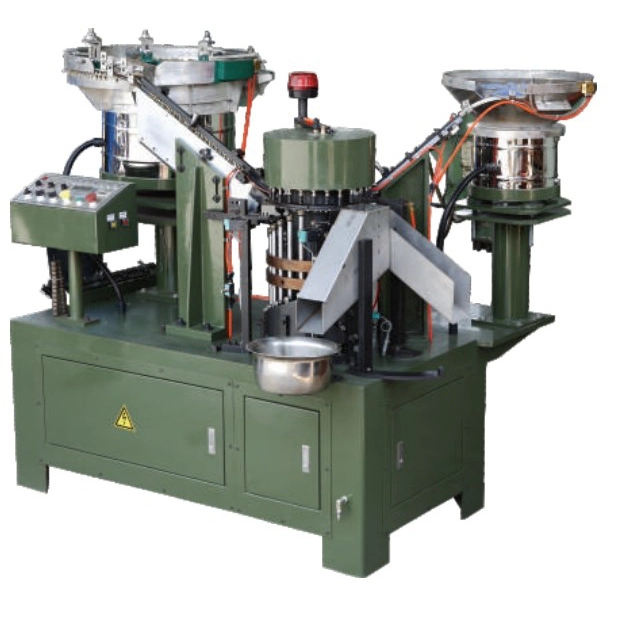
Table of Contents
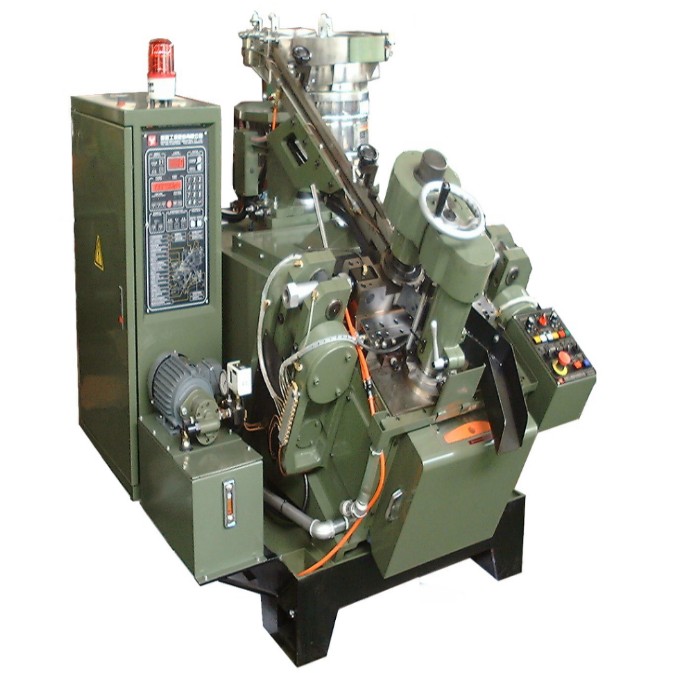
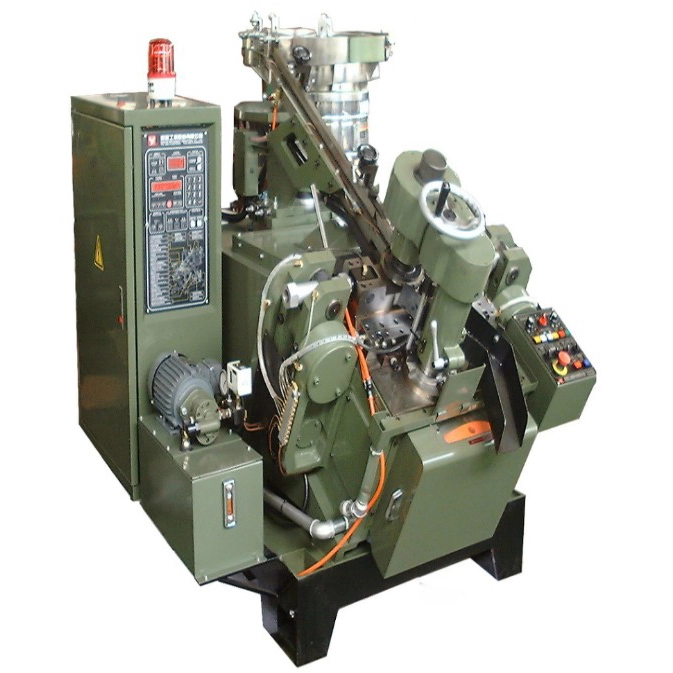
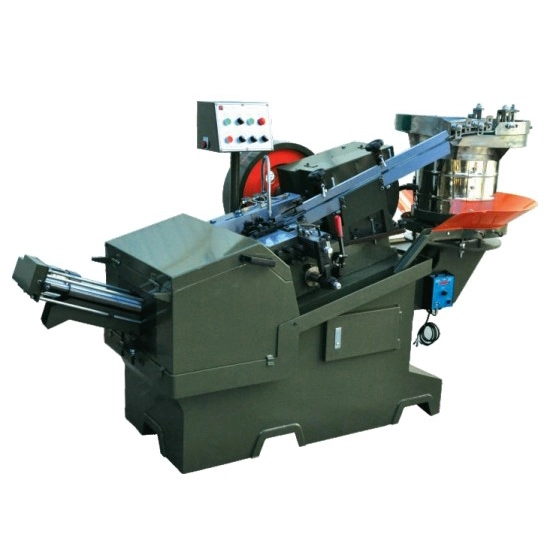
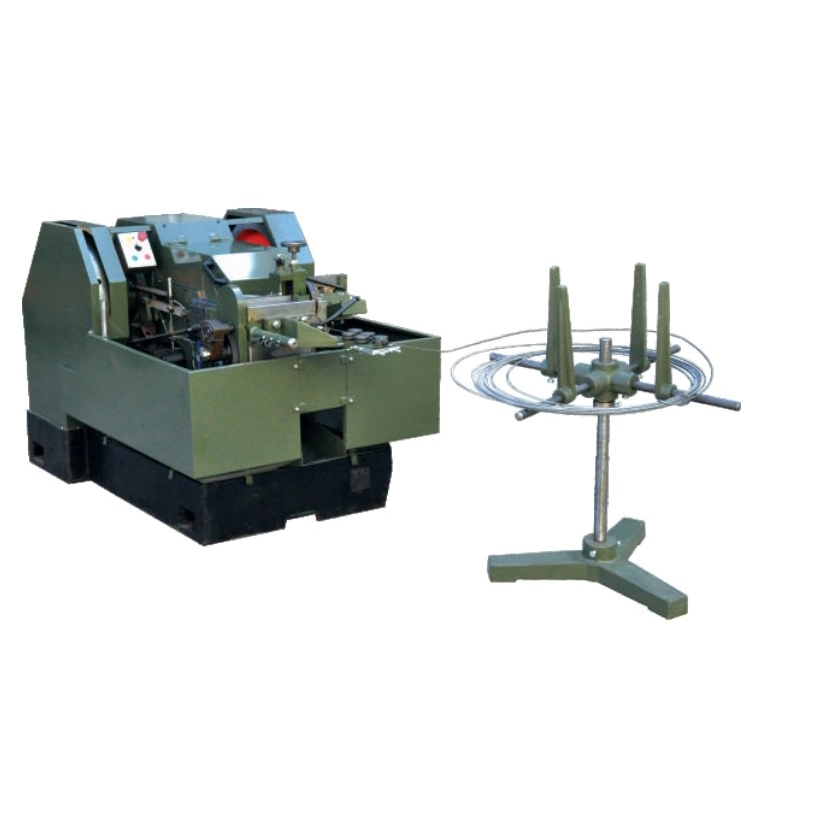
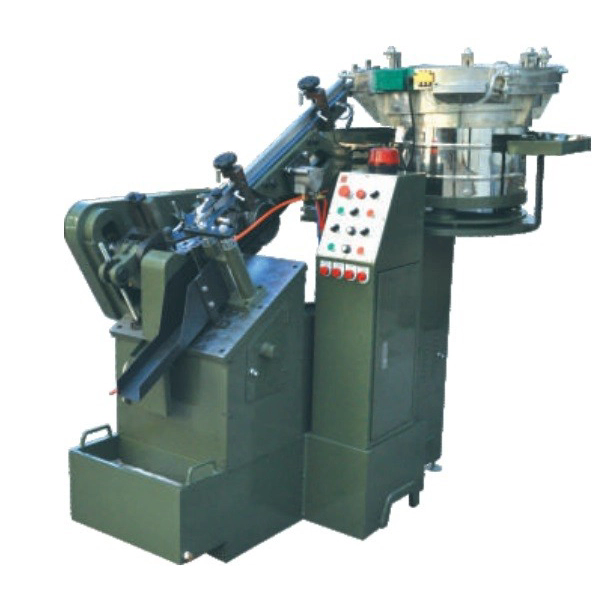
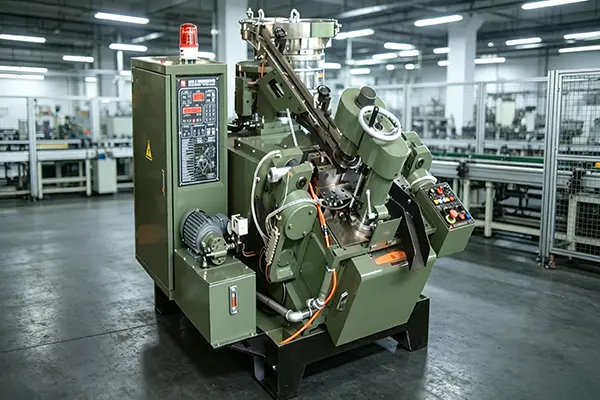
Self drilling screws are widely used in construction, roofing, automotive, and appliance manufacturing because they drill, tap, and fasten in one operation. However, a loose washer can cause leakage, vibration, or joint failure. Manual washer placement is slow, inconsistent, and costly at scale. A Screw and Washer Assembly Machine for Self Drilling Screws from YWC solves this by feeding screws and washers automatically, orienting them correctly, and pressing them together at high speed. The result is a reliable fastener with a fixed washer that stays in place during shipping and installation.
Automated assembly also reduces labor dependency and scrap rates. For factories producing millions of self drilling screws per month, even a small improvement in assembly accuracy translates into significant savings. YWC designs assembly systems that integrate with existing screw making and drilling tail screw lines, helping manufacturers maintain consistent output without adding headcount.
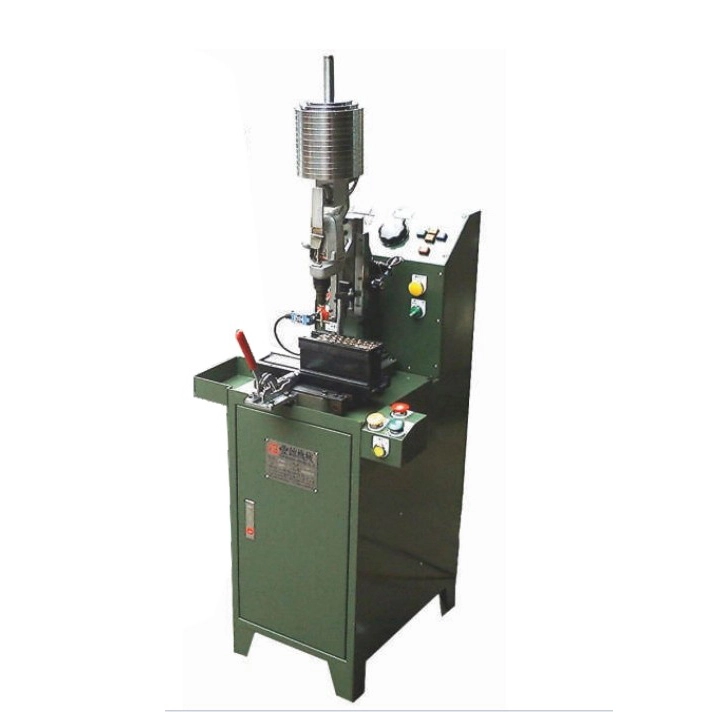
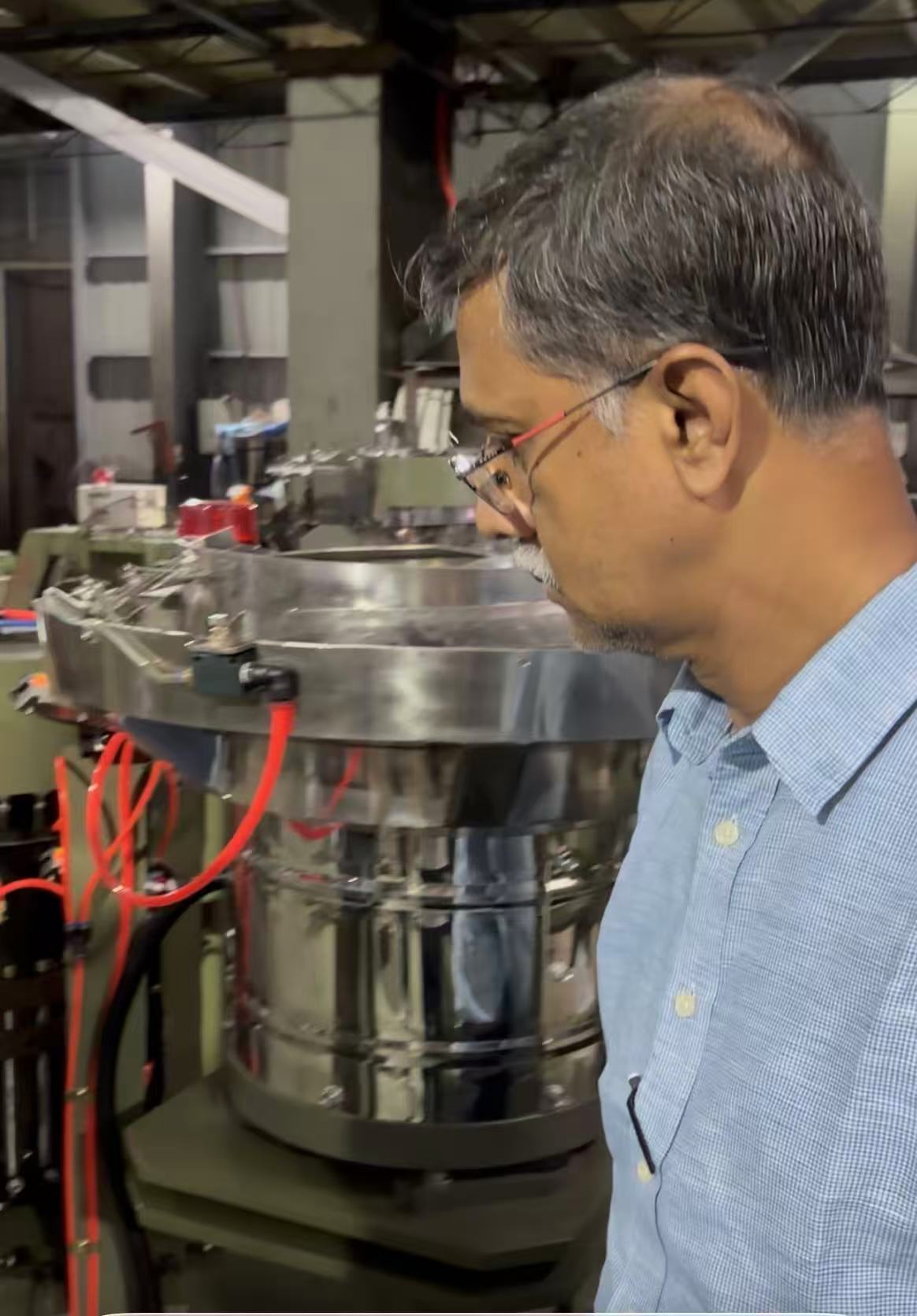
The assembly process follows a straightforward but precise sequence. First, screws are loaded into a vibratory bowl or hopper and oriented so the drill point faces the correct direction. Washers are fed separately through a second vibratory track. A pick-and-place or rotary indexing mechanism aligns each washer with the screw shank. Then a controlled pressing or staking station locks the washer in place. Finally, assembled screws are discharged into a collection bin or directly into packaging.
YWC’s assembly machines use PLC control and sensor feedback to detect missing washers or misaligned screws. Rejected parts are diverted automatically, which prevents defective fasteners from reaching customers. Changeover between screw sizes is usually quick, with adjustable tracks and pressing parameters.
Assembly machines are available in different levels of automation and speed. Low-volume shops may prefer a semi-automatic unit with manual loading and automatic washer feeding. Medium-volume producers often choose a rotary indexing machine with inline inspection. High-volume factories benefit from fully automatic systems with dual feeding lanes, continuous operation, and integration with packaging lines.
YWC works with customers to match machine capacity to their target output, screw diameter range, washer type, and available floor space. The table below summarizes typical configurations.
| Configuration | Typical Output | Best For | Automation Level |
|---|---|---|---|
| Semi-automatic assembly machine | 50–150 pcs/min | Small batches, varied screw sizes | Manual loading, automatic washer feed |
| Rotary indexing assembly machine | 150–300 pcs/min | Medium-volume production | Automatic feeding and inline inspection |
| Fully automatic assembly system | 300–600+ pcs/min | High-volume fastener factories | Dual feeding, continuous operation |
Consider investing when manual washer placement becomes a bottleneck, when customer complaints about loose washers increase, or when labor costs rise faster than production volume. If your factory already runs screw making machines and drilling tail screw equipment, adding an assembly machine can complete the production chain and reduce outsourcing.
Another signal is product mix. If you supply self drilling screws with sealing washers to roofing or construction clients, consistent washer attachment is non-negotiable. Automated assembly protects your brand reputation. YWC can help you evaluate payback time based on output, labor savings, and scrap reduction.
The following list covers the main parameters to review before selecting a screw and washer assembly machine for self drilling screws.
Q: Can one machine handle both screws and washers of different sizes?
A: Yes, with adjustable feeding tracks and change parts. YWC provides changeover guidance and spare parts for multiple sizes.
Q: What happens if a washer is missing during assembly?
A: Sensors detect missing washers and the PLC rejects the screw automatically, preventing defective parts from being packed.
Q: Is the assembly machine compatible with existing screw making lines?
A: In most cases, yes. YWC can integrate the assembly machine with your existing screw making and drilling tail screw production lines.
Q: How long does it take to change over between screw sizes?
A: Depending on the model, changeover typically takes 20–60 minutes with the right change parts and settings.
Q: What about after-sales support and spare parts?
A: YWC provides remote support, spare parts, and optional on-site commissioning and training.
If you are ready to improve your self drilling screw production with a reliable Screw and Washer Assembly Machine for Self Drilling Screws, YWC is here to help. Our team will review your screw dimensions, washer type, target output, and factory layout, then recommend the most suitable configuration. From single machines to complete fastener lines, YWC delivers practical, production-ready solutions. Contact us today with your requirements and let our engineers build a solution that fits your line, your budget, and your quality standards.